






In today’s fast-paced, hyper-connected marketplace, brand loyalty is no longer just a “nice-to-have” for companies—it’s a survival mechanism. Businesses face consumers who are not only spoiled for choice but are also armed with endless information at their fingertips. From e-commerce giants to local boutiques, brands are in a constant race for attention, trust, and repeat engagement. But how crucial is brand loyalty really in a market defined by instant gratification, price comparison, and rapid trend shifts? The answer is multifaceted, blending psychology, economics, and strategic marketing into a powerful force that can make or break modern businesses.
The Evolution of Brand Loyalty
Brand loyalty, at its core, is a consumer’s emotional attachment to a product or service. Historically, loyalty was cultivated through limited options and face-to-face interactions. In the early 20th century, consumers bought what was available, often forming deep connections with brands that consistently delivered quality. Think of iconic brands like Coca-Cola or Levi’s, which became household names not through aggressive campaigns alone, but through consistent experiences over decades.
Fast forward to the digital age: loyalty now exists in an ecosystem of choice, reviews, social media influence, and instant feedback. Brands must fight for attention every day, and consumer allegiance is no longer guaranteed by product quality alone. Emotional connection, community engagement, and shared values have become equally, if not more, important.
Why Brand Loyalty Matters More Than Ever
1. Repeat Revenue: The Lifeblood of Business
Acquiring new customers is expensive. Studies show that attracting a new customer can cost five times more than retaining an existing one. Brand loyalty, therefore, is not just about pride—it directly impacts the bottom line. Loyal customers return, buy more frequently, and are less price-sensitive, which translates to predictable revenue streams.
Moreover, they are often willing to try new products or services from the same brand without hesitation. Apple, for instance, has cultivated a customer base that upgrades devices year after year, creating a cycle of repeat purchases and upselling opportunities that few competitors can match.
2. Advocacy and Word-of-Mouth Marketing
In today’s social media-driven world, loyal customers act as brand ambassadors. Positive reviews, social shares, and personal recommendations have a far-reaching impact. One satisfied customer can influence hundreds of potential buyers, while a single negative experience can spread like wildfire online. Brand loyalty turns consumers into unpaid marketers, amplifying a brand’s voice far beyond traditional advertising budgets.
3. Shield Against Market Volatility
Loyalty provides a buffer against competition and market fluctuations. A committed customer base can sustain a brand through economic downturns, temporary product shortages, or minor missteps. Tesla, for instance, has built a community of advocates who continue purchasing and promoting its products despite ongoing debates about pricing, production delays, or controversies.
4. Data, Insights, and Personalization
Loyal customers generate invaluable data. Brands that understand their behaviors, preferences, and pain points can tailor personalized experiences that reinforce loyalty. Personalized recommendations, early access to new products, and VIP rewards programs create a feedback loop: the more the brand understands the customer, the stronger the loyalty becomes.
The Psychology Behind Brand Loyalty
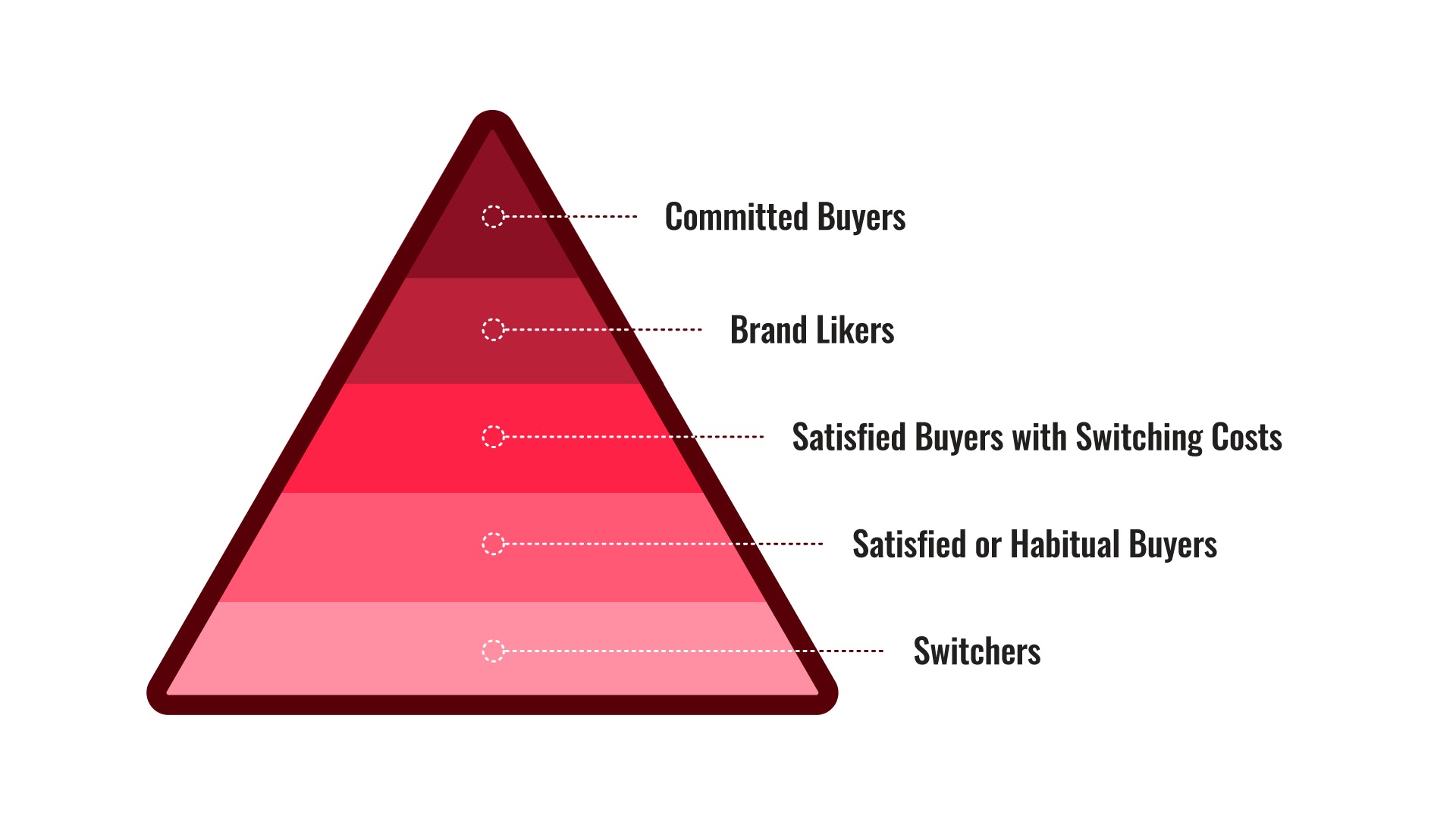
Understanding the “why” behind loyalty requires a dive into psychology. Several factors contribute to why consumers stick with brands:
- Emotional Connection: People often purchase based on emotion, not logic. Brands that evoke positive feelings—whether through storytelling, aesthetics, or customer service—create bonds that transcend rational decision-making.
- Consistency and Trust: Reliability breeds trust. When consumers know what to expect, they feel secure, leading to repeated engagement.
- Identity and Values Alignment: Modern consumers increasingly seek brands that reflect their identity or values. Ethical sourcing, social responsibility, and sustainability can drive loyalty as much as product quality.
- Habit and Convenience: Sometimes loyalty is practical. Familiarity, ease of purchase, and integration into daily routines make switching costly in terms of effort, even if the alternative is slightly cheaper or trendier.
Challenges to Brand Loyalty Today
While loyalty remains vital, maintaining it is no easy task in 2025’s market landscape. Here are some hurdles brands face:
- Price Sensitivity and Comparison Culture
Digital tools make price comparison effortless. Even loyal consumers can be tempted by a better deal elsewhere. Brands must innovate constantly to justify their premium or offer value beyond cost. - Overexposure and Choice Overload
Consumers today are bombarded with options. Social media, e-commerce, and global brands ensure that attention spans are fractured, making it harder for any single brand to hold sway. - Changing Trends and Shorter Product Cycles
Especially in fashion, tech, and lifestyle sectors, trends shift rapidly. Loyalty is tested when brands fail to adapt or remain relevant. - Consumer Skepticism
Millennials and Gen Z are more skeptical of traditional advertising. They demand transparency and authenticity, and will abandon brands that fail to deliver.
Strategies for Building Brand Loyalty
Building loyalty requires more than just quality products. Here are strategies brands are using successfully:
1. Storytelling and Emotional Branding
Brands that tell compelling stories resonate emotionally. Nike doesn’t just sell shoes; it sells empowerment, ambition, and resilience. Emotional branding creates connections that survive price wars and competitive campaigns.
2. Loyalty Programs with Real Value
Simple points-for-purchase programs are no longer enough. Modern programs integrate gamification, personalized rewards, and experiential perks. Sephora’s Beauty Insider program, for example, combines points, exclusive events, and early access, creating a multi-dimensional loyalty ecosystem.
![Emotional Branding: How It Can Bring Conversions [5+ Strategies Included] - NotificationX](https://notificationx.com/wp-content/uploads/2025/10/image-5.png)
3. Exceptional Customer Experience
Customer service is a make-or-break factor. Rapid response times, problem-solving, and empathetic engagement foster loyalty. Amazon’s customer-first approach, from fast shipping to hassle-free returns, demonstrates the power of experience-driven retention.
4. Social Responsibility and Shared Values
Consumers today reward brands that take ethical stances. Patagonia’s commitment to sustainability and Ben & Jerry’s advocacy for social justice turn purchases into statements, strengthening emotional loyalty.
5. Community Building
Creating communities around products helps forge lasting bonds. Harley-Davidson’s rider clubs, LEGO’s fan conventions, and online brand forums allow customers to feel part of something bigger than the product itself.
Case Studies: Brand Loyalty in Action
Apple: Ecosystem Mastery
Apple’s brand loyalty is legendary. Beyond individual products, the seamless ecosystem—iPhone, Mac, iPad, Apple Watch—creates a “stickiness” that discourages switching. Loyalty here is amplified by emotion, design, and convenience.
Starbucks: Experience Over Product
Starbucks cultivates loyalty not only through beverages but through experience, ambiance, and personalized digital rewards. The Starbucks Rewards app creates habitual engagement, encouraging repeat visits through convenience and gamified incentives.
Tesla: Community and Mission Alignment
Tesla’s customers are invested in the brand’s mission: sustainable energy and innovation. Loyal customers are advocates, investors, and trendsetters, illustrating that shared values and vision can foster unparalleled loyalty.
Metrics to Measure Brand Loyalty
Understanding loyalty requires metrics that go beyond sales figures. Key indicators include:
- Customer Retention Rate: Percentage of repeat customers over time.
- Net Promoter Score (NPS): Likelihood of customers recommending the brand.
- Customer Lifetime Value (CLV): Total revenue expected from a single customer over time.
- Engagement Metrics: Social shares, reviews, and participation in loyalty programs.
Tracking these allows brands to quantify loyalty and adjust strategies for maximum impact.
The Future of Brand Loyalty
The next decade will bring new dimensions to loyalty:
- AI and Hyper-Personalization: Brands will leverage AI to anticipate needs, customize experiences, and predict churn before it happens.
- Augmented Reality (AR) Experiences: Retailers will immerse customers in interactive experiences, making loyalty more engaging and experiential.
- Sustainability as a Core Expectation: Ethical practices won’t just enhance loyalty—they will become prerequisites. Consumers will demand transparency across every step of the supply chain.
- Cross-Platform Integration: Loyalty programs will increasingly bridge online and offline worlds, creating seamless omnichannel experiences.
Conclusion
Brand loyalty in today’s market is both more challenging and more crucial than ever. It is no longer built solely on product quality but through emotional resonance, shared values, exceptional experiences, and strategic engagement. Companies that master loyalty enjoy predictable revenue, advocacy-driven growth, and a buffer against market volatility.
In the era of endless choice and instant gratification, loyalty is a brand’s most valuable currency. It transforms consumers from passive buyers into engaged communities, advocates, and co-creators of the brand story. Investing in loyalty is not just smart—it is essential for survival, relevance, and long-term growth.
In short, in today’s market, brand loyalty is no longer optional. It is the difference between fleeting attention and enduring influence, between one-time purchases and lifelong relationships. Those who understand and nurture it will thrive; those who ignore it risk being lost in the shuffle of an increasingly competitive world.