






Leftovers are often treated as culinary afterthoughts—containers pushed to the back of the refrigerator, waiting patiently for a microwave reheating that barely resembles the original meal. Yet in professional kitchens, leftovers are not waste. They are raw material, opportunity, and sometimes the starting point of the most memorable dishes on the menu. The difference lies not in the ingredients themselves, but in mindset, technique, and a willingness to reimagine what food can become.
This article explores how leftovers can be elevated into five-star meals through culinary logic rather than gimmicks. We will examine flavor structure, texture management, professional kitchen strategies, cultural wisdom, and practical techniques that turn yesterday’s food into today’s standout dish. By the end, leftovers will no longer feel like compromise—they will feel like creative leverage.
1. Rethinking Leftovers: From Obligation to Opportunity
The word “leftover” carries baggage. It implies decline: food that has passed its prime, something to be tolerated rather than enjoyed. In contrast, chefs think in terms of components. Roast chicken is not “yesterday’s dinner”; it is cooked protein, concentrated juices, rendered fat, and collagen-rich bones. Each element has potential.
The first transformation happens mentally. When you stop asking “How do I reheat this?” and start asking “What can this become?”, the entire process changes. High-end cooking is less about pristine ingredients and more about intelligent handling of what is already there. Many classic dishes—cassoulet, fried rice, bread pudding, ribollita—were born from the necessity of reusing food.
Five-star cooking does not reject leftovers. It disciplines them.
2. The Architecture of Flavor: Understanding What You Already Have
Before transforming leftovers, it helps to understand their flavor profile. Professional kitchens analyze dishes in layers:
- Primary flavor: The dominant taste (roasted chicken, braised beef, tomato sauce).
- Secondary notes: Herbs, spices, aromatics.
- Fat content: Butter, oil, rendered animal fat.
- Moisture level: Dry, saucy, gelatinous.
- Seasoning balance: Salt, acidity, sweetness, bitterness, umami.
Leftovers often fail on reheating because moisture has migrated, fats have solidified, and volatile aromas have faded. The solution is not more heat, but rebalancing.
For example:
- Dry rice is not ruined; it is primed for frying.
- Stale bread is not useless; it is structurally perfect for absorbing custard or broth.
- Overcooked vegetables have broken cell walls, making them ideal for purées or soups.
Once you recognize what structural state the food is in, you can decide its next life with intention rather than guesswork.
3. Texture Is the Hidden Currency of Luxury
Five-star food is as much about texture as flavor. Leftovers often fail texturally, not taste-wise. The secret is to change texture instead of fighting it.
Professional kitchens use three core strategies:
3.1 Crisp It
Moist leftovers can gain new life through high, dry heat.
- Roast vegetables become fritters or pan-seared hash.
- Braised meats can be shredded and crisped for tacos or croquettes.
Crisping introduces contrast, a hallmark of refined cuisine.
3.2 Soften It Further
Some foods improve when pushed beyond their original texture.
- Vegetables can be blended into velvety soups.
- Meats can be slow-simmered into ragù or fillings.
Luxury often feels effortless because texture is unified and intentional.
3.3 Reassemble It
Breaking food down and rebuilding it creates novelty.
- Leftover steak becomes a composed salad with vinaigrette.
- Roast vegetables become filling for ravioli or savory tarts.
The diner no longer sees leftovers; they see design.
4. Sauce: The Great Equalizer
In fine dining, sauces are not accessories. They are identity. A well-made sauce can redefine leftovers completely.
Think of sauce as translation. It speaks a new language over familiar ingredients.
4.1 Deglazing the Past
Bits stuck to pans, gelatin from braises, and roasted juices are flavor gold. Simmered with wine, stock, or even water, they form the base of a new sauce that carries memory but feels fresh.
4.2 Emulsions for Renewal
Mayonnaise, aioli, vinaigrettes, and yogurt-based sauces introduce brightness and fat simultaneously. They counter dryness and add perceived richness.
4.3 Purees and Coulis
Vegetable leftovers can become smooth, intensely flavored bases for plating. A spoonful under protein signals intention, not thrift.
A five-star dish rarely relies on the naked ingredient. Sauce is how chefs assert control.
5. Temperature and Timing: Precision over Convenience
Microwaves reheat indiscriminately. Professional kitchens rewarm selectively.
- Proteins are brought gently to temperature to avoid tightening.
- Sauces are reheated separately to preserve emulsions.
- Garnishes are added last to maintain contrast.
The difference between “leftover” and “composed dish” often comes down to sequencing. Timing is an invisible ingredient that separates casual eating from refined dining.
6. Cultural Masterclasses in Leftover Alchemy
Many of the world’s most respected cuisines are built on leftover intelligence.
6.1 East Asia: Reinvention through Technique
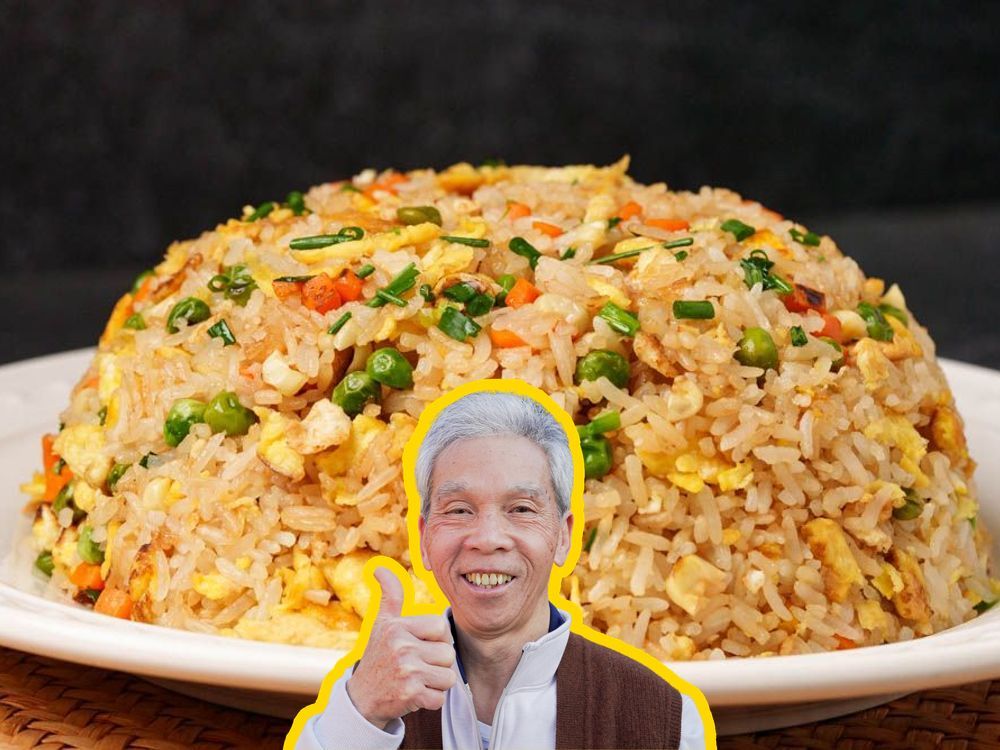
Fried rice, dumplings, savory pancakes, and noodle soups thrive on pre-cooked components. High heat, aromatics, and seasoning precision convert fragments into complete meals.
6.2 Southern Europe: Respect for Bread and Oil
Stale bread becomes salads, soups, and gratins. Olive oil and acidity bring cohesion. Nothing feels recycled; everything feels rooted.
6.3 France: Transformation through Structure
Leftovers are folded into terrines, omelets, and fillings. Structure elevates familiarity.
The lesson is universal: leftovers are not hidden; they are showcased with confidence.
7. Plating: Visual Honesty and Intentionality
Five-star food looks deliberate. Presentation does not mean complexity; it means clarity.
Key principles:
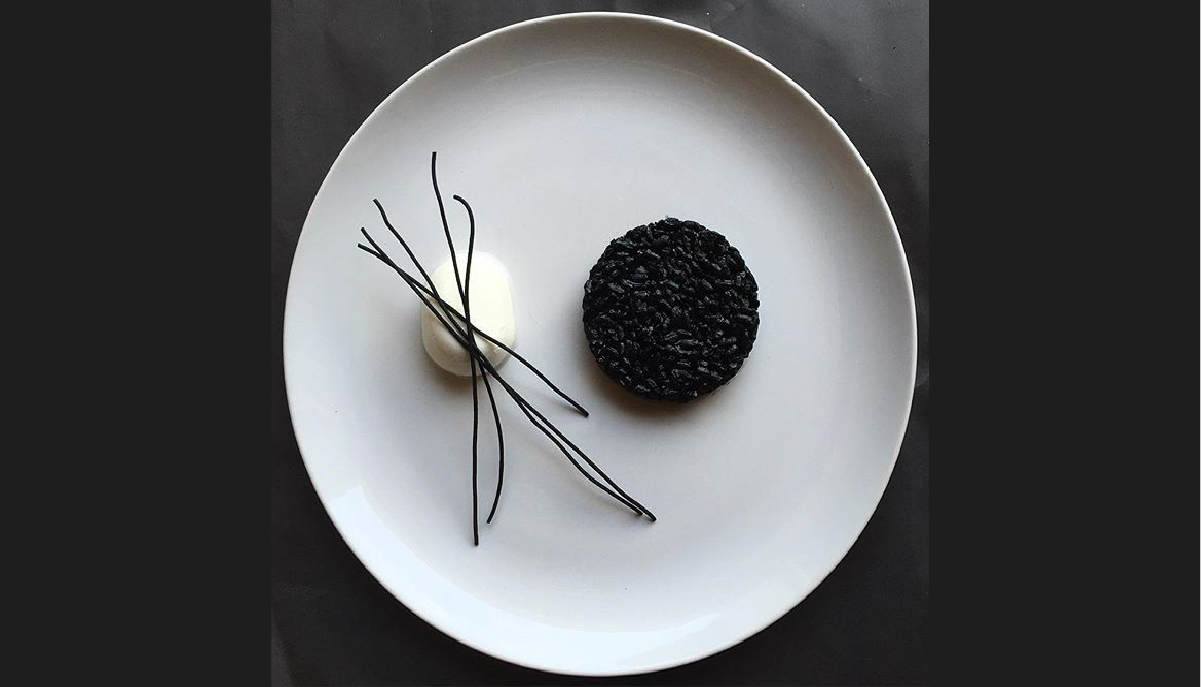
- Limit the color palette for elegance.
- Use negative space.
- Stack or layer rather than scatter.
- Garnish with purpose, not decoration.
Leftovers often look “messy” because they were never meant to be plated twice. Reframing the dish visually signals to the brain that this is a new experience.
A shallow bowl, a clean plate, or a simple drizzle can change perception instantly.
8. The Psychology of Luxury: Why Perception Matters
Luxury dining is partly psychological. Diners expect coherence, balance, and narrative. Leftovers feel cheap only when they lack story.
When you describe a dish as:
- “Crisped chicken with herb yogurt and lemon oil”
instead of - “Leftover chicken”
you are not lying—you are interpreting.
Five-star kitchens do this constantly. The ingredient’s past is irrelevant; only its present execution matters.
9. Common Leftovers and Their Five-Star Futures
9.1 Roast Chicken
- Shred and fold into silky soup.
- Crisp skin separately for garnish.
- Reduce bones into stock for sauce.
9.2 Cooked Vegetables
- Blend into purée with olive oil.
- Form into savory custards or flans.
- Use as filling for pasta or pastries.
9.3 Rice and Grains
- Fry with aromatics.
- Press into cakes and pan-sear.
- Simmer into porridge with stock.
9.4 Pasta
- Bake into layered dishes.
- Crisp in butter for texture contrast.
- Toss with new sauce and acid.
The ingredient does not dictate the outcome; the method does.
10. Tools That Enable Transformation
Five-star results do not require expensive equipment, but certain tools help:
- A heavy pan for even browning.
- A blender for smooth textures.
- A fine sieve for refined sauces.
- Sharp knives for clean cuts.
Precision tools allow control, and control is the essence of professional cooking.
11. Restraint: Knowing When to Stop
One common mistake is overcomplicating leftovers to “prove” they are new. Five-star cooking values restraint.
If the ingredient is already flavorful, do less.
If the texture is appealing, preserve it.
If the dish feels balanced, stop adjusting.
Confidence often appears as simplicity.
12. Sustainability Without Sermons
Transforming leftovers is inherently sustainable, but the goal is pleasure, not virtue signaling. The best kitchens do not announce that a dish is responsible; they make it delicious.
When food is treated with respect, waste naturally decreases. Five-star thinking aligns pleasure with responsibility without sacrificing either.
13. The Home Kitchen as a Creative Lab
Professional chefs rehearse these techniques daily, but home kitchens offer freedom that restaurants lack. You can experiment without risk, adjust without pressure, and repeat without cost.
Leftovers provide a low-stakes canvas for learning:
- Practice seasoning.
- Explore textures.
- Build intuition.
Over time, you stop seeing leftovers as remnants and start seeing them as ingredients already halfway prepared.
14. A Shift in Identity: Cooking Like a Chef
The real transformation is not the food—it is the cook. When you handle leftovers with curiosity instead of resignation, you adopt a professional mindset.
Chefs are not defined by access to luxury ingredients, but by their ability to extract value from what is available. In that sense, leftovers are the ultimate test of skill.
If you can turn them into something craveable, you are already thinking like a five-star cook.
15. Conclusion: Yes, You Can—and It Changes Everything
So, can you transform leftovers into a five-star meal? Absolutely. Not through tricks, but through understanding. Not by hiding their origin, but by respecting their potential.
Leftovers are food that has already been cooked once. That means flavor has been developed, textures have shifted, and possibilities have opened. With thoughtful technique, clear intention, and a bit of creativity, they can surpass their original form.
Five-star cooking is not about extravagance. It is about mastery. And mastery often begins the day after dinner.