





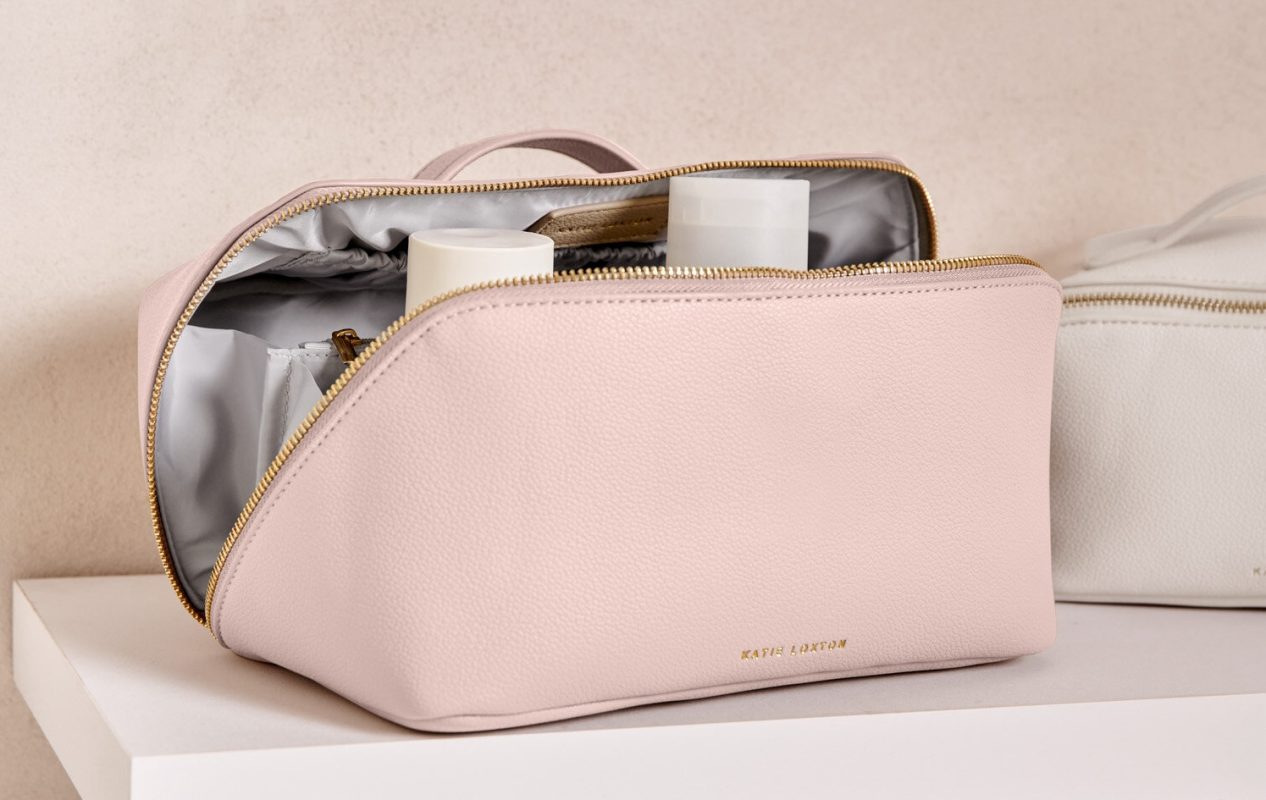

When it comes to fashion, the allure of designer handbags is almost magnetic. From the glint of gold hardware to the supple luxury of hand-stitched leather, a designer bag can make a statement before you even say a word. But behind the glossy exterior lies a critical question: Is that designer bag worth the investment? Let’s unravel the mystery in a way that’s both fun and professional.
1. Understanding “Investment” in Fashion
Investment in fashion isn’t just about price tags. It’s about value over time, desirability, and personal satisfaction. Some handbags are not only style statements—they are assets that may appreciate in value. Think of them as the fine wine of accessories: their allure can grow with age.
1.1 Depreciation vs. Appreciation
Most consumer goods lose value after purchase, but certain designer bags buck the trend. Factors influencing appreciation include:
- Brand Reputation: Legendary houses like Hermès, Chanel, and Louis Vuitton often see higher resale values.
- Limited Editions: Scarcity drives desirability.
- Condition and Care: A bag stored meticulously in its dust bag retains value far better than one tossed into a crowded closet.
2. The Emotional ROI
While numbers matter, the emotional return on investment is often overlooked. Carrying a luxury handbag can:
- Boost confidence and self-expression
- Reflect personal style and sophistication
- Become a conversation starter in social and professional circles
It’s an intangible benefit, but for many, this emotional ROI justifies the initial cost. Fashion isn’t purely transactional—it’s deeply personal.
3. Evaluating Brand Legacy
The weight of a brand’s history cannot be underestimated. Some brands are icons, and their bags transcend trends. Consider:
- Hermès Birkin: Synonymous with exclusivity and craftsmanship.
- Chanel Classic Flap: A timeless piece that rarely loses appeal.
- Louis Vuitton Neverfull: A blend of practicality and prestige.
Understanding brand legacy is crucial because it directly influences resale potential and status perception.
4. Craftsmanship and Quality
Designer bags often justify their hefty price tags with meticulous craftsmanship. Elements to consider include:
- Material Quality: Full-grain leather, exotic skins, or handwoven fabrics.
- Hardware Durability: Real metal accents last longer than plated alternatives.
- Construction: Stitching, lining, and finishing tell the story of skill and attention to detail.
A well-crafted bag not only looks beautiful but stands the test of time, often lasting decades with proper care.
5. Resale Value: The Investment Angle
If we’re talking investment, resale value is key. High-demand bags often retain or even exceed their original price. Factors influencing resale value:
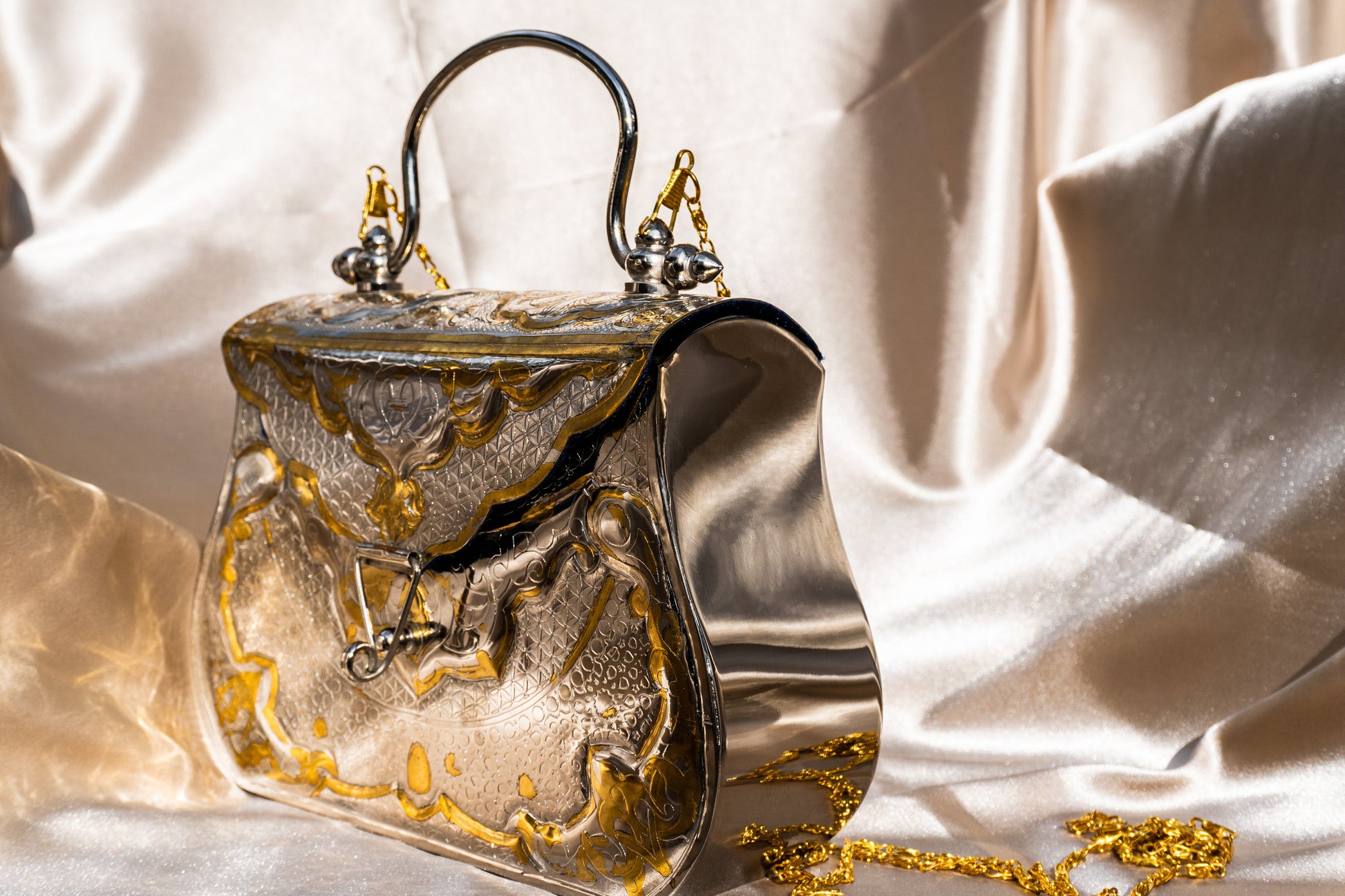
- Rarity: Limited editions and discontinued styles are golden.
- Condition: Bags in mint condition sell for far higher than worn ones.
- Market Trends: Certain designs fluctuate based on fashion cycles.
Example: Hermès Birkins often increase in value over years, making them more than just a luxury indulgence—they are investment pieces.
6. Practicality Matters
Even the most expensive handbag loses its value if it sits unused. Ask yourself:
- Does the bag fit my lifestyle?
- Is it versatile enough for multiple outfits?
- Can I comfortably carry my essentials without strain?
A designer bag should be both stylish and functional, otherwise its price-to-use ratio diminishes.
7. Trend vs. Timelessness
Fast fashion comes and goes, but some bags remain timeless. When considering investment:
- Avoid ephemeral trends that peak one season.
- Favor classic silhouettes and neutral tones that transcend fashion cycles.
- Limited-edition pieces can be risky but rewarding if they align with brand prestige.
Balancing trendiness and timelessness is key to maximizing both emotional and financial returns.
8. Alternatives: When to Buy Pre-Loved
Buying second-hand can offer a strategic advantage:
- Cost Efficiency: Pre-loved bags are often 30–50% cheaper.
- Sustainability: Extends the life of existing luxury products.
- Rare Finds: Discontinued models may only be available in the resale market.
Sites like reputable consignment shops provide authentication, ensuring buyers invest wisely without falling victim to counterfeits.
9. Counterfeit Risks
The luxury handbag market is riddled with fakes. Investing without vigilance can lead to significant losses.
Tips for avoiding counterfeit bags:
- Purchase only from authorized retailers or trusted resellers.
- Examine logos, stitching, and serial numbers carefully.
- Avoid deals that seem “too good to be true”—they probably are.
Authentication ensures your investment is legitimate and your resale value remains intact.
10. Financial Planning and Luxury Purchases
A designer bag should never compromise your financial stability. Guidelines:
- Treat it like a discretionary expense after essential savings.
- Consider it part of a broader investment strategy if resale value is expected to appreciate.
- Don’t rely solely on potential financial gain—value is also personal and emotional.

Responsible spending ensures your fashion investment doesn’t become financial stress.
11. Case Studies: Iconic Bags That Appreciate
- Hermès Birkin: Often sells above retail due to scarcity and status.
- Chanel Classic Flap: A steady resale value, with some colors outperforming others.
- Louis Vuitton Keepall: Popular travel bag, functional yet highly recognizable.
Examining historical trends helps investors anticipate future value and make informed purchases.
12. Care and Maintenance
A high-value bag needs care. Neglect can drastically reduce its worth. Essential maintenance tips:
- Storage: Dust bags and structured boxes preserve shape.
- Cleaning: Use appropriate leather or fabric cleaners; avoid harsh chemicals.
- Protection: Rotate use to avoid over-wear and exposure to sun or moisture.
Proper care ensures the bag remains an asset both financially and aesthetically.
13. The Psychological Aspect of Luxury
Luxury isn’t just material—it’s psychological. Owning a designer bag can:
- Symbolize success and personal achievement.
- Create a sense of exclusivity and belonging to a select group.
- Serve as a tangible reminder of effort and reward.
This emotional satisfaction is often undervalued in traditional ROI calculations but is undeniably real.
14. When a Bag Becomes a Collectible
Some bags transcend fashion and enter the realm of collectibles. Characteristics include:
- Historical Significance: First editions or milestone collections.
- Collaboration Pieces: Designer collaborations often attract collectors.
- Unique Materials or Craftsmanship: Exotic leathers, artisanal techniques.
Such bags are rare and highly sought after, making them strong long-term investments.
15. Fashion Forecast: What’s Next?
The market for designer bags evolves. Current trends impacting investment potential:
- Sustainability: Eco-conscious consumers prefer timeless quality over fast fashion.
- Digital Fashion: NFTs and virtual bags are emerging, but physical luxury retains prestige.
- Limited Releases: Scarcity remains a major driver of value.
Staying informed on trends can help buyers predict which bags may appreciate over time.
16. Bottom Line: Worth or Not?
Determining if a designer bag is worth the investment involves multiple factors:
- Financial Perspective: Will it retain or appreciate in value?
- Emotional ROI: Does it bring joy, confidence, and personal satisfaction?
- Practicality: Can it be used and enjoyed regularly?
- Brand Legacy: Is the bag from a house with strong reputation and history?
For some, the answer is a resounding yes. For others, a carefully chosen pre-loved bag or even a classic non-designer option may deliver equal satisfaction without breaking the bank.
17. Conclusion
Investing in a designer bag is more than a transaction—it’s a combination of fashion foresight, emotional gratification, and sometimes financial strategy. By carefully considering brand reputation, craftsmanship, market trends, and personal lifestyle, you can make a decision that balances style, utility, and investment potential.
In the end, the value of a designer bag isn’t just in the leather or hardware—it’s in the confidence, joy, and timeless style it brings into your life. If approached thoughtfully, a designer handbag can truly be an investment that pays dividends in multiple dimensions.