





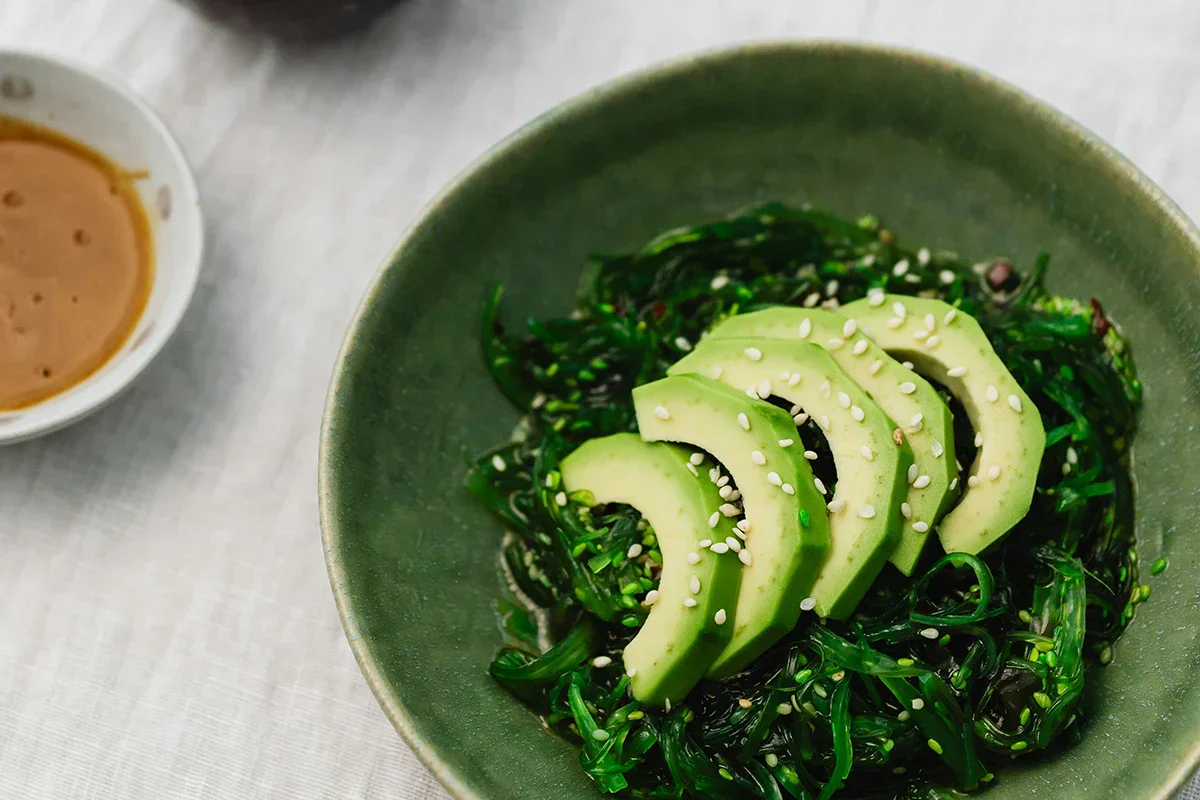

Seaweed, the mysterious green and sometimes dark treasure of the oceans, has been a staple in human diets for thousands of years. Its culinary versatility, nutritional richness, and unique umami flavor make it a remarkable ingredient. Yet, many home cooks shy away from using it, unsure how to incorporate it beyond the occasional sushi roll. If you are curious about unlocking the full potential of seaweed, this guide will take you through every aspect of cooking with it—from types and preparation to advanced culinary techniques, flavor pairings, and creative dishes that will impress both friends and family.
Understanding Seaweed: Types and Characteristics
Before you start cooking, it’s crucial to understand the diversity of seaweed. Seaweed comes in three main categories:
- Green Seaweed (Chlorophyta)
Examples: Sea lettuce (Ulva), Green nori, Codium.
These are usually soft, delicate, and bright green. They have a mild, fresh flavor and are perfect for salads, garnishes, or light soups. - Red Seaweed (Rhodophyta)
Examples: Dulse, Nori, Irish Moss, Palmaria.
Red seaweed often has a stronger flavor and slightly chewy texture. It is commonly used in sushi, soups, or dried and ground into seasonings. - Brown Seaweed (Phaeophyta)
Examples: Kombu, Wakame, Hijiki, Kelp.
Brown seaweed tends to have a robust umami flavor and is often used for broths, stews, and slow-cooked dishes. Kombu, in particular, is the backbone of Japanese dashi.
Each type has distinct textures, flavors, and cooking requirements. Choosing the right variety for your dish is essential to achieving the best result.
Preparing Seaweed for Cooking
Seaweed preparation depends on whether it is fresh, dried, or powdered. Here’s how to handle each form:
- Fresh Seaweed
Fresh seaweed often has a strong ocean aroma. Rinse it thoroughly to remove sand or debris. Some varieties, like wakame or sea lettuce, can be lightly blanched to soften their texture. - Dried Seaweed
Dried seaweed is more common in most kitchens. Rehydration is key: soak it in cold or warm water depending on the type. For example, kombu should be soaked in cold water to extract natural glutamates, while wakame can be soaked briefly in warm water. Always drain excess water and pat dry before adding to dishes. - Powdered Seaweed
Seaweed powders, like kelp powder or dulse flakes, are excellent for seasoning. They are often added at the end of cooking to preserve flavor. Powders can also be mixed into doughs, batters, and sauces for a subtle umami boost.
Cooking Techniques with Seaweed
Seaweed is extraordinarily versatile. Here’s a breakdown of popular cooking techniques:
1. Boiling and Simmering
- Ideal for soups, stews, and stocks.
- Kombu is traditionally simmered with water to create dashi, a cornerstone of Japanese cuisine. Avoid boiling kombu for too long, as it can become slimy or bitter.
- Wakame and other delicate seaweeds are added near the end of cooking to maintain texture.

2. Stir-Frying
- Green and red seaweeds hold up well in quick stir-fries.
- Use sesame oil, garlic, and soy sauce for a flavorful base.
- For a textural twist, add toasted nuts or seeds.
3. Baking and Roasting
- Nori sheets can be brushed with sesame oil and baked until crispy to make snacks.
- Seaweed powders can be mixed into bread, crackers, or pastry dough to add umami depth.
4. Fermenting
- Seaweed is excellent for fermentation, enhancing its flavors while adding probiotics.
- Combine with vegetables or grains in kimchi-style ferments.
- Fermented seaweed can then be incorporated into dips, soups, or as a topping.
5. Blending and Smoothies
- While less traditional, powdered seaweed can be added to smoothies for an extra nutrient punch.
- Pair with mild fruits like banana or apple to balance the oceanic flavor.
Flavor Pairings: What Works Best with Seaweed
Seaweed has a naturally umami-rich taste, which pairs beautifully with a range of ingredients:
- Acids: Lemon, lime, rice vinegar, and tamarind balance saltiness.
- Proteins: Fish, tofu, shellfish, and eggs complement seaweed’s oceanic notes.
- Fats: Sesame oil, avocado, and olive oil enhance mouthfeel.
- Spices: Ginger, garlic, chili, and miso highlight umami without overpowering.
- Sweeteners: Mirin, honey, or coconut sugar create complex savory-sweet flavors.
The key is moderation—seaweed is naturally salty, so avoid adding too much extra salt.
Creative Seaweed Dishes to Try
1. Seaweed Soup
- Base: Kombu dashi or vegetable stock.
- Ingredients: Shiitake mushrooms, tofu, sliced vegetables, wakame.
- Finish: Sprinkle with sesame seeds and finely chopped green onions.
2. Seaweed Salad
- Rehydrated wakame or sea lettuce.
- Dressing: Rice vinegar, soy sauce, sesame oil, a hint of honey.
- Additions: Cucumber, carrot ribbons, radish slices, toasted sesame seeds.

3. Seaweed Rice
- Mix nori flakes or dulse into cooked rice.
- Add sesame seeds and finely chopped scallions for texture and flavor.
4. Seaweed Snacks
- Nori sheets brushed with sesame oil, lightly salted, baked until crisp.
- Sprinkle with chili flakes or everything bagel seasoning for a creative twist.
5. Seaweed-Infused Broths
- Simmer kombu with mushrooms and aromatics to create a base for noodles or hot pot.
- Optionally, add dried shrimp or fish flakes for extra depth.
6. Seaweed Pesto
- Blend wakame or kelp powder with nuts, garlic, olive oil, and Parmesan.
- Use as a pasta sauce, sandwich spread, or drizzle for roasted vegetables.
Advanced Tips for Cooking with Seaweed
- Timing Matters
Delicate seaweeds like wakame should be added near the end of cooking to avoid over-softening. Tougher seaweeds, like kombu, need longer soaking and gentle simmering to release flavor. - Avoid Over-Salting
Many seaweeds contain natural salts, so taste frequently and adjust seasoning carefully. - Texture is Key
Blanched seaweed is softer, while roasted or toasted seaweed adds crunch. Combining textures can make a dish more interesting. - Pair with Umami-Rich Ingredients
Soy sauce, miso, fish sauce, and mushrooms complement seaweed perfectly, enhancing depth without overpowering. - Storage and Shelf Life
- Fresh seaweed: Store in a cool, moist environment and consume within a few days.
- Dried seaweed: Keep in an airtight container away from sunlight; it can last months.
- Powdered seaweed: Store in a dark, dry container to prevent clumping and flavor loss.
Health Benefits of Seaweed
Cooking with seaweed isn’t just delicious—it’s incredibly nutritious. Seaweed is:
- Rich in minerals: iodine, calcium, magnesium, and iron.
- High in vitamins: A, C, E, K, and several B vitamins.
- Low in calories: Perfect for adding bulk and flavor without adding fat.
- Source of antioxidants: Reduces oxidative stress and supports overall health.
- Fiber-rich: Aids digestion and helps maintain healthy gut bacteria.
Including seaweed in your diet regularly can support thyroid function, cardiovascular health, and overall wellness.
Common Mistakes to Avoid
- Using Too Much
Overuse can overwhelm a dish with saltiness and strong flavor. Start small and taste frequently. - Overcooking
Leads to mushy texture and bitter taste. Know your seaweed type and cooking time. - Not Rehydrating Properly
Some dried seaweeds need full soaking to soften; skipping this can ruin texture. - Ignoring Complementary Flavors
Seaweed shines when paired with fats, acids, and proteins. A bland dish can mask its magic.
Final Thoughts
Seaweed is one of the most versatile ingredients in the culinary world. Whether you are simmering kombu for a rich broth, tossing wakame into a vibrant salad, or experimenting with seaweed powders in baking, there is almost no limit to its potential. Understanding the types, preparation methods, flavor pairings, and proper techniques can elevate everyday dishes into extraordinary experiences. By treating seaweed not just as a garnish but as a central ingredient, you unlock layers of flavor, nutrition, and creativity that few other ingredients offer.
With practice, experimentation, and a little imagination, cooking with seaweed can transform your kitchen into a playground of oceanic wonders, making every meal a delicious journey from the sea to your plate.