






Walk through any modern grocery store and you’ll see the word organic everywhere—on fruits and vegetables, on cereal boxes, on milk cartons, even on snacks that look suspiciously similar to their non-organic neighbors. The labels are clean, the packaging often green, and the prices… noticeably higher.
But here’s the real question: can you actually tell the difference between organic and conventional ingredients? And if you can, does it matter?
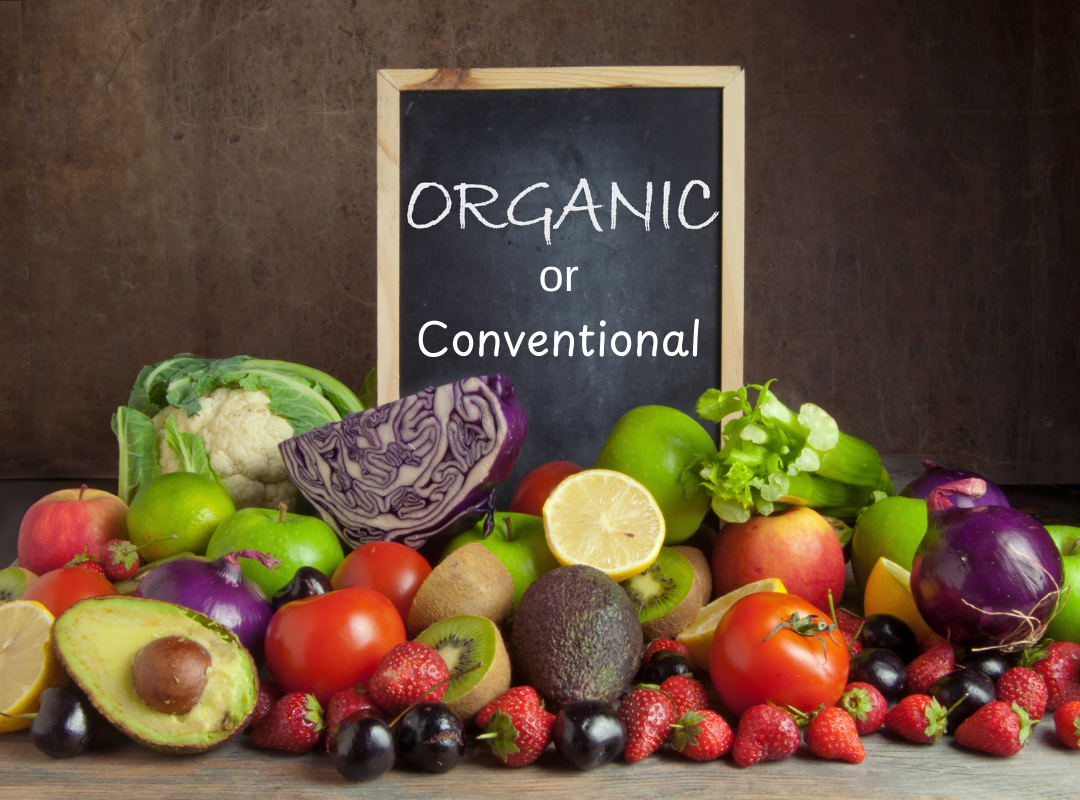
This article takes a clear-eyed, professional, and slightly playful look at what organic and conventional really mean. We’ll explore how ingredients are grown, processed, regulated, tasted, and perceived—without hype, without fear-mongering, and without pretending the answer is always simple. By the end, you’ll have a sharper understanding of the differences, the overlaps, and the gray areas that rarely make it onto food labels.
1. What “Organic” and “Conventional” Actually Mean
Before we compare anything, we need to get the definitions straight. Much of the confusion around organic food comes from assumptions rather than facts.
Organic Ingredients: A System-Based Definition
Organic ingredients are produced under a specific agricultural system governed by rules rather than outcomes. In most countries, organic farming standards include:
- No synthetic pesticides or herbicides
- No synthetic fertilizers
- No genetically modified organisms (GMOs)
- Limited use of antibiotics and hormones in animal farming
- Emphasis on soil health, biodiversity, and ecological balance
Organic farming focuses on process rather than guaranteed results. An organic carrot may still have imperfections, pests, or variable nutrient content—but the way it was grown follows defined ecological principles.
Conventional Ingredients: The Mainstream Approach
Conventional ingredients are produced using modern agricultural tools and technologies, which may include:
- Synthetic fertilizers and pesticides
- Genetically modified crops (where legally allowed)
- Chemical weed and pest control
- Growth optimization for yield and consistency
Conventional agriculture prioritizes efficiency, scalability, and reliability. The goal is to produce large amounts of food with predictable quality at an affordable cost.
Importantly, conventional does not mean unsafe or careless. It means regulated by a different framework—one that allows more tools in the agricultural toolbox.
2. Farming Philosophies: Control vs. Cooperation
One of the most meaningful differences between organic and conventional ingredients lies underground, long before harvest.
Organic Farming: Working With Nature
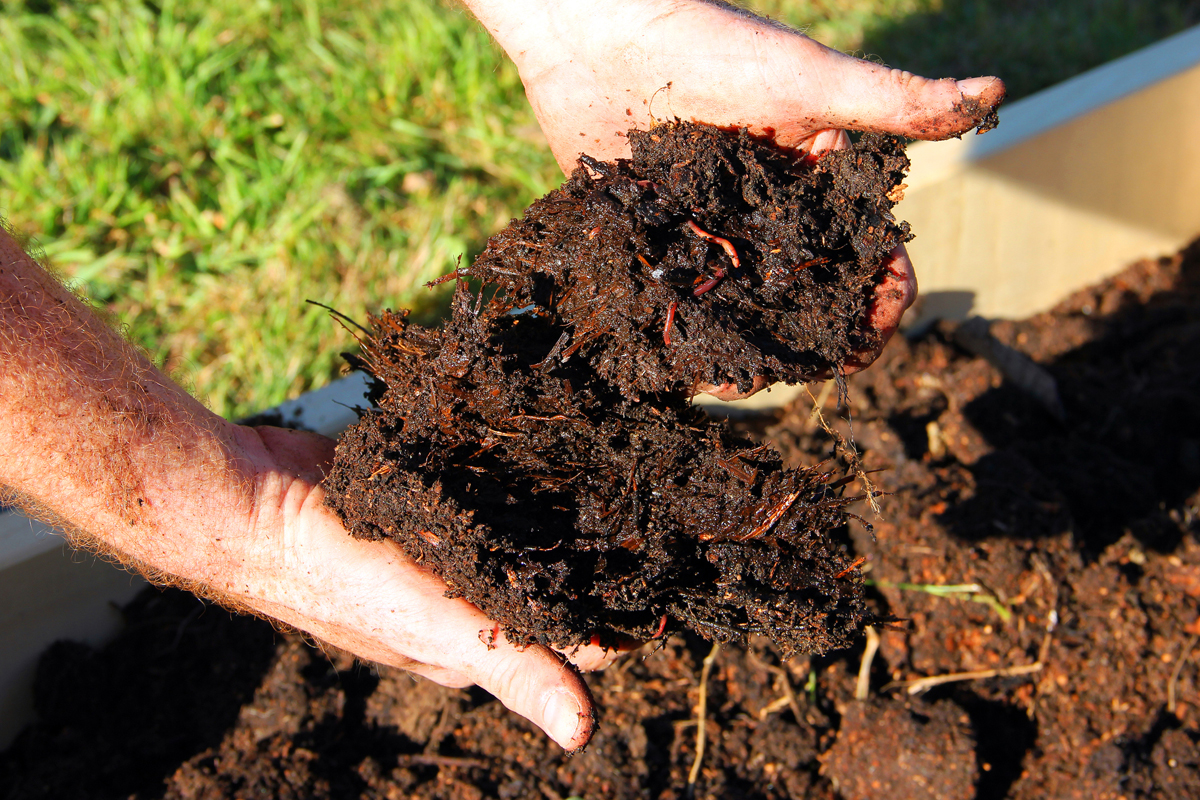
Organic agriculture treats soil as a living ecosystem. Practices often include:
- Crop rotation
- Composting and manure use
- Cover crops to prevent erosion
- Encouraging beneficial insects
Instead of eliminating all pests, organic systems aim for balance. Some insects are tolerated because they play roles in the ecosystem. Weeds may be managed mechanically rather than chemically.
This approach can be labor-intensive and less predictable, but it emphasizes long-term soil vitality.
Conventional Farming: Managing Variables
Conventional farming treats agriculture as a system to be precisely controlled. Inputs are carefully measured to maximize output:
- Fertilizers deliver exact nutrient doses
- Pesticides target specific threats
- Irrigation systems optimize water use
- Uniform crop genetics ensure consistency
This approach reduces risk, increases yield, and supports global food supply chains. It’s efficient—but sometimes criticized for prioritizing short-term productivity over ecological complexity.
3. Regulation: More Rules or Different Rules?
A common myth is that organic food is “unregulated” while conventional food is “industrial.” In reality, both are regulated, but in different ways.
Organic Regulation
Organic certification requires:
- Detailed documentation of farming practices
- Regular inspections
- Separation from non-organic ingredients
- Traceability from farm to shelf
Organic standards are process-heavy. Farmers must prove how food is grown, not just test the final product.
Conventional Regulation
Conventional food systems are regulated primarily around:
- Food safety
- Residue limits
- Hygiene and contamination control
- Label accuracy
Synthetic pesticides and additives are allowed, but only within defined safety thresholds. These thresholds are based on toxicological research and include large safety margins.
The key difference?
Organic regulation focuses on what is not allowed, while conventional regulation focuses on how much is allowed.
4. Pesticides: The Most Emotional Topic
Nothing sparks debate faster than pesticides. The conversation is often emotional, but the reality is more nuanced.
Organic Pesticides Exist
Organic farming does use pesticides—just not synthetic ones. Common organic-approved substances include:
- Copper compounds
- Sulfur
- Plant-derived extracts
- Microbial pesticides
These are often less persistent but may require more frequent application.
Conventional Pesticides Are Regulated
Synthetic pesticides used in conventional farming undergo extensive testing. Residue levels on food are monitored and kept well below safety limits.
From a consumer perspective, both organic and conventional foods are generally well within safety standards.
The difference lies less in “safe vs. unsafe” and more in environmental impact, resistance management, and farming philosophy.
5. Nutrition: Is Organic Food Healthier?
This is where expectations and evidence often clash.
What Science Generally Shows
Large-scale comparisons suggest:
- Macronutrients (protein, carbs, fats) are very similar
- Vitamins and minerals vary more by variety and freshness than by farming method
- Some organic produce shows slightly higher antioxidant levels, but differences are inconsistent
In short: organic food is not automatically more nutritious, but it isn’t less nutritious either.
What Actually Affects Nutrition More
- Soil quality
- Harvest timing
- Storage duration
- Transportation distance
- Cooking method
A locally grown conventional tomato eaten fresh may deliver more nutrients than an organic tomato shipped long distances and stored for weeks.
6. Taste: Can You Tell Without the Label?
Blind taste tests offer surprising results.
The Power of Expectation
When people know a food is organic, they often describe it as:
- Fresher
- More flavorful
- “Cleaner” tasting
But in blind tests, results are mixed. Taste depends heavily on:
- Variety (not farming method)
- Ripeness
- Sugar-acid balance
- Post-harvest handling
Some organic foods taste better. Some conventional foods do. The label alone doesn’t guarantee flavor.
7. Appearance: Beauty Standards vs. Natural Variation
Conventional produce is often visually perfect. Organic produce often isn’t.
Why Organic Looks Different
- More natural shape variation
- Minor insect marks
- Less uniform color
This isn’t a flaw—it’s a consequence of lower cosmetic control.
Why Conventional Looks Consistent
- Controlled growth conditions
- Cosmetic standards for retail
- Selective breeding for appearance
Ironically, consumers often associate “perfect” with “fresh,” even though nature rarely grows identical apples.
8. Environmental Impact: A Complicated Equation
Organic farming is often seen as environmentally superior—but the truth is more complex.
Organic Advantages
- Improved soil health
- Reduced chemical runoff
- Greater biodiversity
- Lower risk of synthetic pollution
Conventional Advantages
- Higher yield per acre
- Less land required for the same output
- Efficient resource use through precision agriculture
In some cases, higher-yield conventional farming can reduce deforestation by producing more food on less land.
Environmental impact depends on how a system is managed, not just what label it carries.
9. Animal Products: Organic vs. Conventional Beyond Plants
Organic standards extend to animal farming.
Organic Animal Farming
- Access to outdoors
- Organic feed
- No routine antibiotics
- Emphasis on animal welfare
Conventional Animal Farming
- More flexible housing systems
- Antibiotics allowed under regulation
- Focus on disease prevention and efficiency
Organic animal products often reflect ethical priorities more than nutritional differences.
10. Processing: Ingredients Don’t End at the Farm
Once ingredients leave the field, processing matters.
Organic Processing Rules
- Fewer approved additives
- No artificial colors or flavors
- Limited preservatives
Conventional Processing
- Wider range of stabilizers and enhancers
- Focus on shelf life and texture
- Highly standardized outcomes
This is why organic packaged foods often have shorter ingredient lists—but not necessarily fewer calories or sugar.
11. Price: Why Organic Costs More
The higher price of organic ingredients isn’t just marketing.
Key cost factors include:
- Lower yields
- Higher labor input
- Certification costs
- Smaller supply chains
Organic food reflects true production costs, while conventional food benefits from economies of scale.
12. Accessibility: Food Choices Are Not Equal Choices
Not everyone can afford or access organic food—and that matters.
Food quality should not be framed as a moral hierarchy. Eating conventional fruits and vegetables is far better than avoiding them due to fear.
Nutrition, consistency, and affordability all play essential roles in public health.
13. Myths That Refuse to Die
Let’s clear a few things up:
- Myth: Organic food is pesticide-free
Reality: It uses different pesticides - Myth: Conventional food is dangerous
Reality: It is heavily regulated - Myth: Organic always tastes better
Reality: Taste depends on many factors - Myth: Organic is always more sustainable
Reality: Sustainability depends on context
14. So… Can You Tell the Difference?
Sometimes yes. Often no.
You might notice differences in:
- Farming philosophy
- Environmental impact
- Ethical considerations
- Ingredient lists
But in terms of safety, basic nutrition, and everyday eating, organic and conventional ingredients overlap far more than labels suggest.
The smartest approach isn’t choosing sides—it’s understanding systems.
15. Choosing With Clarity, Not Fear
Organic ingredients represent one way of producing food. Conventional ingredients represent another. Neither is perfect. Both feed the world.
The real power lies in informed choice—knowing what matters to you, whether that’s environmental impact, animal welfare, affordability, or flavor.
Food doesn’t need to be ideological to be meaningful. Sometimes, it just needs to be eaten, enjoyed, and shared.
And that might be the most natural choice of all.