





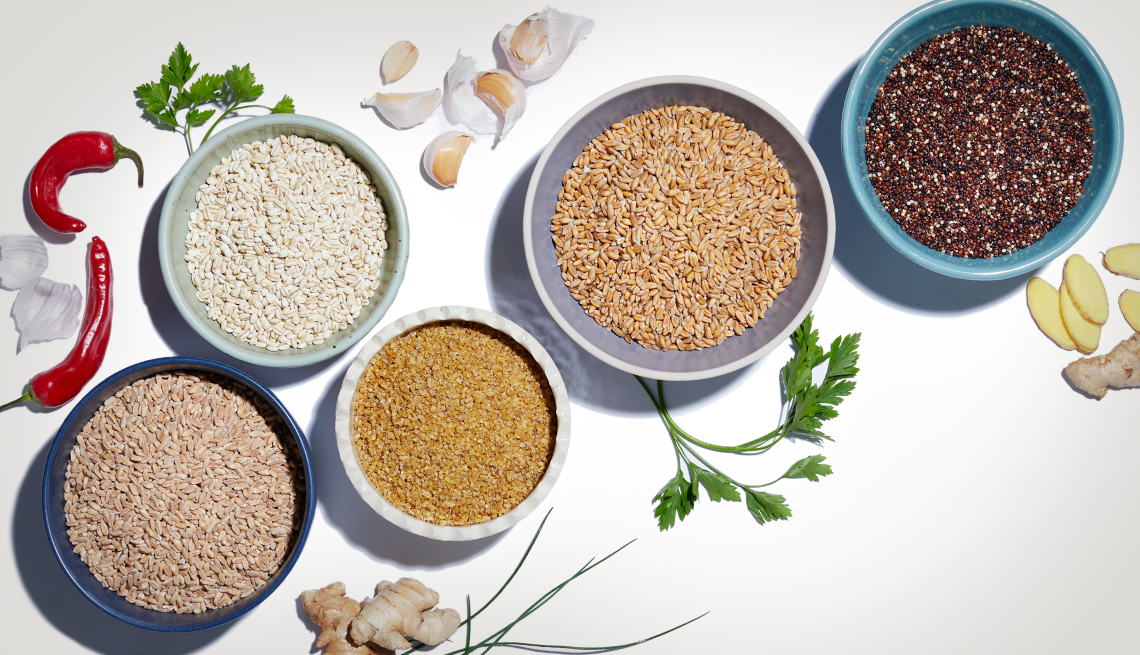

Ancient grains are becoming increasingly popular in modern cuisine, yet many of them have been part of human diets for thousands of years. Grains like quinoa, amaranth, millet, teff, and farro were cultivated long before the industrial farming techniques and genetically modified crops that dominate today’s agricultural landscape. Now, as consumers search for healthier, more sustainable food options, these grains are experiencing a renaissance. This article explores why ancient grains are making a comeback, how they fit into modern culinary trends, and what their future might hold in our evolving food culture.
The Historical Significance of Ancient Grains
Before delving into their future, it’s essential to understand what ancient grains are and their role in history. Ancient grains are the original, unmodified cereals that have remained largely unchanged through the ages. They have been grown for thousands of years, and many cultures have relied on them as staple foods. These grains include:
- Quinoa – Native to the Andes Mountains, quinoa has been cultivated for over 5,000 years and was considered a sacred crop by the Incas.
- Amaranth – A staple of the Aztec and Inca civilizations, amaranth was revered for its high nutritional value.
- Millet – A versatile grain that has been cultivated in Asia, Africa, and Europe for over 4,000 years.
- Teff – An ancient grain from Ethiopia, teff is the main ingredient in injera, a traditional sourdough flatbread.
- Farro – An early form of wheat, farro was used in ancient civilizations like the Romans and Egyptians.
These grains have survived centuries of agriculture, which speaks to their resilience and nutritional value. Unlike many modern grains, such as wheat, they have remained relatively untouched by industrial farming practices, making them a natural choice for health-conscious consumers today.
Why Ancient Grains are Gaining Popularity
In recent years, the demand for ancient grains has surged due to several key factors: nutrition, sustainability, and consumer interest in diverse and authentic food experiences. Let’s take a closer look at each of these driving forces.
1. Nutritional Superiority
Many ancient grains are packed with essential nutrients that are often missing from processed and refined grains. They tend to be rich in fiber, protein, vitamins, and minerals, which make them an attractive option for health-conscious eaters. For example:
- Quinoa is a complete protein, meaning it contains all nine essential amino acids that our bodies cannot produce. It is also high in magnesium, iron, and fiber.
- Amaranth contains more protein than most grains and is a good source of calcium, iron, and manganese.
- Millet is an excellent source of B-vitamins and minerals like iron, magnesium, and phosphorus.
- Teff is particularly high in calcium and iron, with more calcium per serving than most other grains.
- Farro is packed with fiber and is a good source of zinc and B-vitamins, which help in maintaining healthy skin, digestion, and immune function.
The high fiber content of ancient grains can aid digestion, regulate blood sugar levels, and contribute to a feeling of fullness. The protein content is especially appealing to those following plant-based diets or seeking to diversify their sources of protein.
2. Sustainability and Environmental Benefits
Sustainability is another key reason why ancient grains are becoming more popular. Many of these grains are more resilient to climate changes than modern crops, making them suitable for regions with poor soil or unpredictable weather. For instance, quinoa grows well in high altitudes and can thrive with minimal water, making it a perfect crop for areas with water scarcity. Similarly, teff is incredibly drought-resistant, which is why it remains a vital crop in Ethiopia despite climate challenges.
Additionally, ancient grains often require fewer chemical fertilizers and pesticides, as they are naturally adapted to their environments. This makes them an attractive option for sustainable farming practices. As consumers grow more aware of the environmental impact of food production, they are increasingly seeking out products that align with their values of sustainability.
3. Culinary Diversity and Authenticity
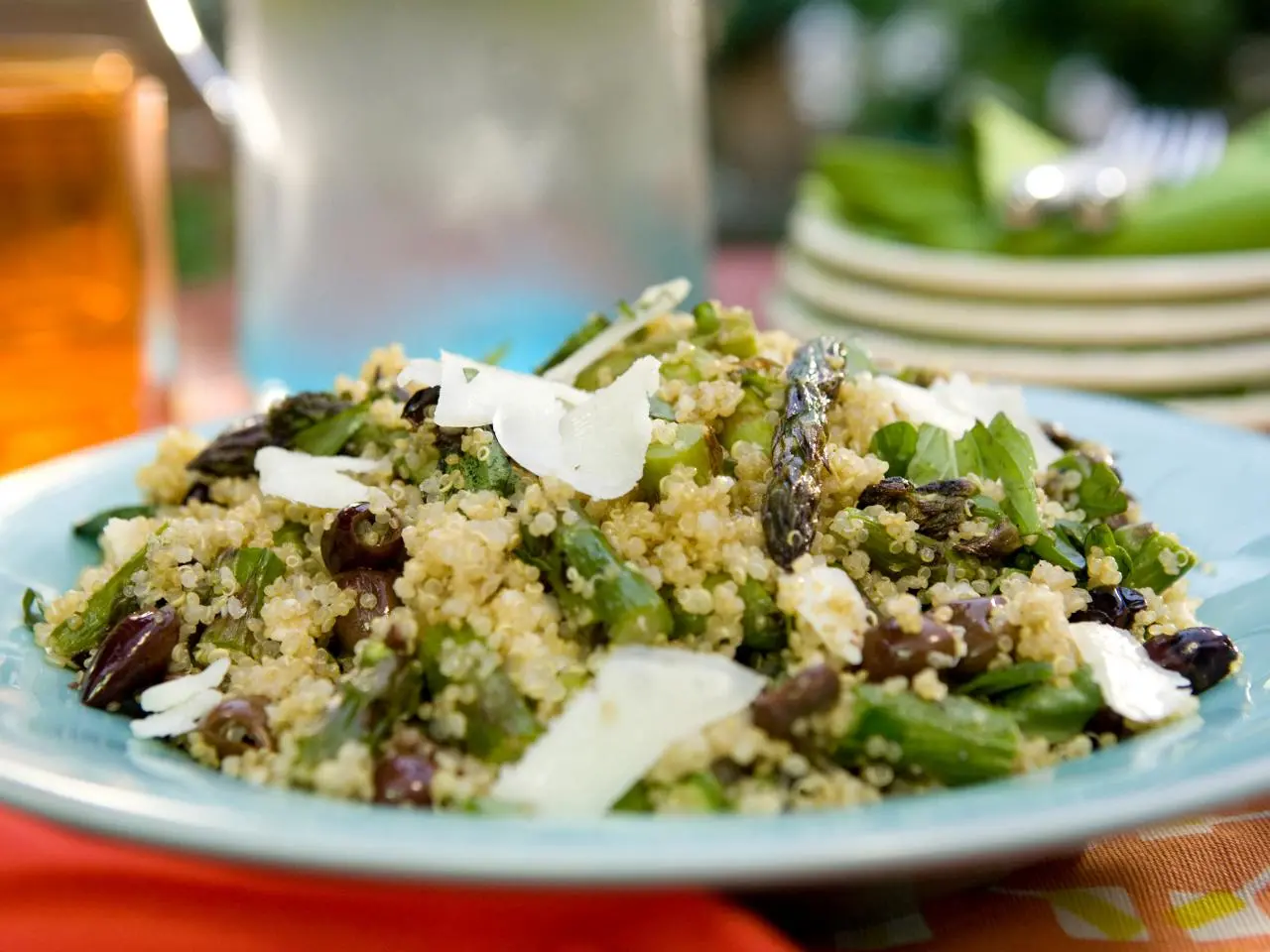
As global food trends become more diverse and experimental, people are eager to explore new and ancient flavors. Ancient grains are often used in traditional dishes from different parts of the world. For example, teff is essential to Ethiopian cuisine in the form of injera, a tangy, spongy flatbread that is a mainstay of Ethiopian meals. Farro, meanwhile, is popular in Italian cuisine, where it is often used in salads and soups.
These grains offer unique textures, flavors, and colors that modern grains like rice and wheat cannot provide. As the culinary world becomes more focused on authenticity and ethnic diversity, ancient grains are increasingly featured in restaurants, food festivals, and home kitchens. Their versatility allows them to be used in a variety of ways, from savory dishes to baked goods and even desserts.
Modern Applications of Ancient Grains
While ancient grains were once considered the food of the past, they are increasingly being incorporated into contemporary cuisine. From high-end restaurants to home cooks, chefs are finding creative ways to use these grains in modern dishes. Here are some examples of how ancient grains are being utilized in today’s food culture:
1. Healthy Bowls and Salads
Ancient grains like quinoa, farro, and barley are often used as the base for nutrient-dense grain bowls. These bowls are typically topped with a variety of vegetables, proteins, and sauces, making them a complete and balanced meal. For example, a quinoa bowl might include roasted sweet potatoes, avocado, spinach, chickpeas, and tahini dressing.
2. Baking and Flour Alternatives
Many health-conscious bakers are turning to ancient grains as alternatives to refined flour. Amaranth flour and teff flour can be used to create gluten-free baked goods, offering a nutty flavor and a nutritional boost. Farro and spelt can be used to make hearty loaves of bread or even pizza dough.
3. Breakfast Cereal and Porridge
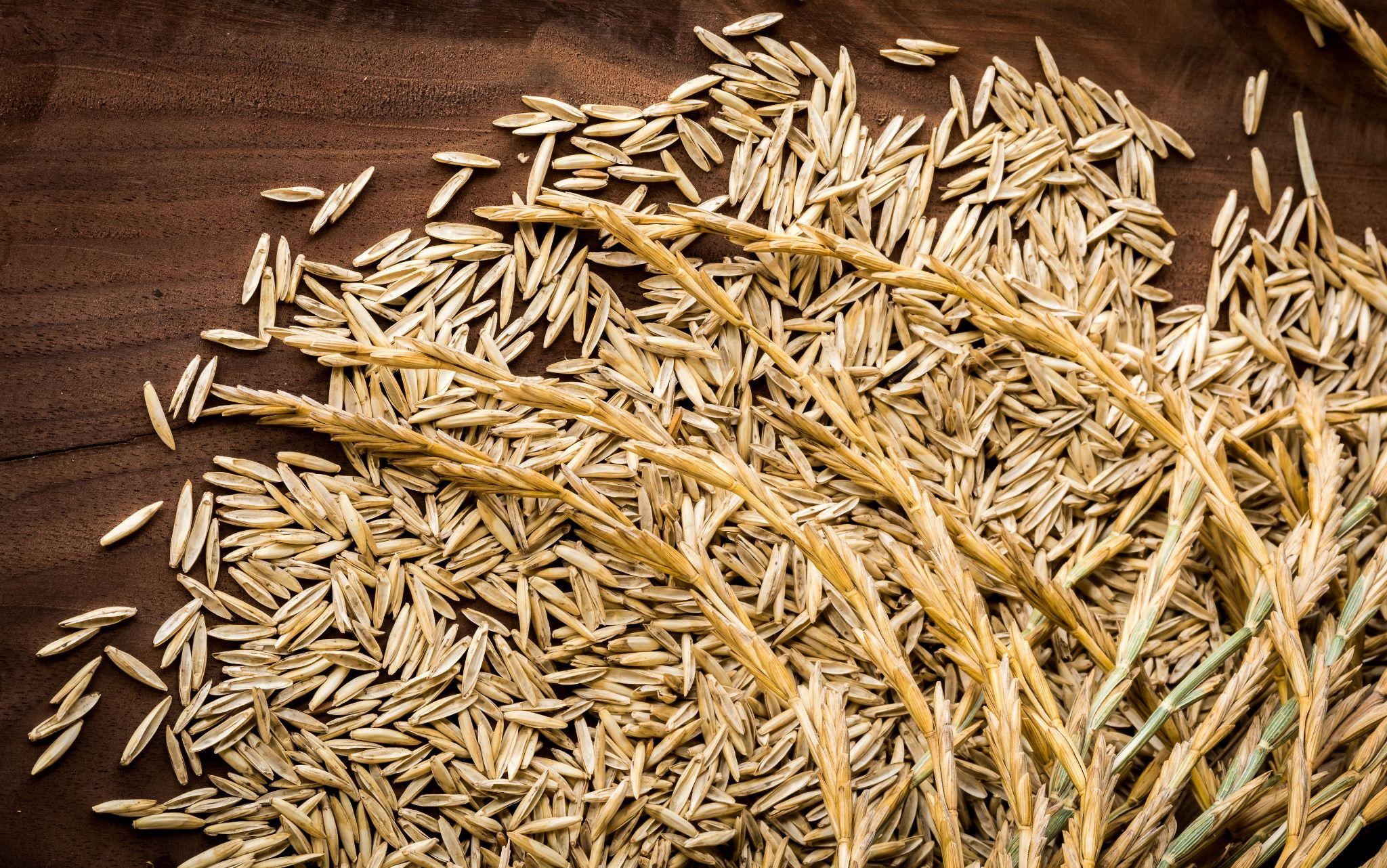
Ancient grains can be transformed into delicious and nutritious breakfast cereals or porridges. Millet, for instance, can be cooked with milk or plant-based alternatives to create a creamy breakfast porridge, while quinoa can be used as a substitute for oats to make a protein-packed breakfast.
4. Snacks and Convenience Foods
Ancient grains are also finding their way into the snack aisle. Companies are producing quinoa chips, farro crackers, and teff-based granola bars. These snacks offer a healthier alternative to traditional, processed snacks, providing more fiber and protein with fewer artificial ingredients.
5. Plant-Based and Vegan Cooking
Ancient grains are a favorite in plant-based and vegan diets due to their high protein content. Dishes like vegan burgers made from quinoa or amaranth, or grain-based salads with farro and roasted vegetables, have become staples in vegan cuisine. Because they are so versatile, ancient grains can be easily substituted for animal-based proteins, offering both texture and nutritional value.
The Future of Ancient Grains: Trends and Predictions
As we move into the future, the role of ancient grains in modern cuisine is poised to expand. Here are some trends and predictions for their place in the food world:
1. Increased Availability and Popularity
The demand for ancient grains is likely to continue growing as consumers become more health-conscious and eco-friendly. With this demand, we can expect to see more ancient grain products on supermarket shelves. Major grocery chains are already stocking quinoa, farro, and other ancient grains, and new companies are emerging to provide a wider variety of grain-based foods. As these grains become more mainstream, they will likely become more affordable and accessible to a larger audience.
2. Incorporation in Fast Food and Convenience Foods
As more people seek healthy fast-food options, it is likely that ancient grains will be incorporated into fast-casual menus. Chains like Chipotle, for example, have already begun offering quinoa as a rice substitute, and other chains may follow suit by offering ancient grain options. Similarly, ancient grains may be used in convenience foods like frozen meals or pre-packaged salads, making them easier to prepare for busy consumers.
3. Innovation in Ancient Grain Products
As food scientists and culinary innovators experiment with ancient grains, we can expect new and creative uses to emerge. This may include grain-based milk alternatives, energy bars, plant-based meats, and more. Innovations in food technology might also lead to even more sustainable methods of growing and processing these grains, ensuring their future availability.
4. Emphasis on Heritage and Education
The future of ancient grains may also involve a greater emphasis on educating consumers about their historical and cultural significance. This could be through cooking classes, documentaries, and online content that highlights the stories of ancient civilizations that relied on these grains. As people become more connected to the history and tradition behind their food, ancient grains could become a symbol of heritage and cultural preservation.
Conclusion
The future of ancient grains in modern cuisine is bright. These grains offer a combination of health benefits, sustainability, and culinary diversity that makes them a natural fit for today’s food trends. As people become more conscious of the impact of their food choices on both their health and the environment, ancient grains will continue to rise in popularity. Whether as part of a nutritious bowl, a hearty loaf of bread, or a savory snack, these ancient grains are poised to play a prominent role in the kitchens of tomorrow.