






Wine and food pairings have been a hallmark of fine dining for centuries. From the classic red wine with steak to the more adventurous combinations, wine pairing isn’t just about choosing a drink that complements your meal—it’s an art that balances flavors, textures, and aromas. But what makes a good pairing? Why do certain wines bring out the best in specific foods? The science behind these pairings is as rich and nuanced as the wines themselves, and understanding it can elevate your culinary experience to a whole new level.
The Basics of Wine Pairing
At its core, wine pairing is all about creating harmony between the flavors of the wine and the food. There are certain principles that guide this process, though it’s not always as rigid as some might think. Wine pairing is a dynamic and evolving experience that allows for exploration and experimentation. The goal is to enhance the sensory experience—whether that’s through complementing flavors or creating a contrast that enhances both the wine and the food.
1. The Role of Acidity in Wine and Food Pairing
One of the fundamental elements in wine pairing is acidity. Both wine and food can vary greatly in acidity, and when they are matched correctly, they can highlight the best qualities in each other.
For example, acidic wines like Sauvignon Blanc, with its bright, zesty profile, tend to pair beautifully with foods that also have a high level of acidity, such as salads with vinaigrette or dishes featuring citrus. The acidity in the wine balances the acidity in the food, creating a refreshing experience for the palate.
Similarly, wines with higher acidity can help cut through rich, fatty dishes. Think of a crisp white wine like Chardonnay paired with creamy pasta or a buttery lobster tail. The wine’s acidity helps cleanse the palate between bites, ensuring that each mouthful feels as fresh as the first.
2. Tannins: A Key Element in Red Wine Pairing
Tannins, the bitter compounds found in grape skins, seeds, and stems, are most noticeable in red wines. Tannins are important because they have a strong effect on the taste and texture of food when paired with wine. The tannins in wine react with the proteins in food, particularly in meat, making the combination more pleasant and often more flavorful.
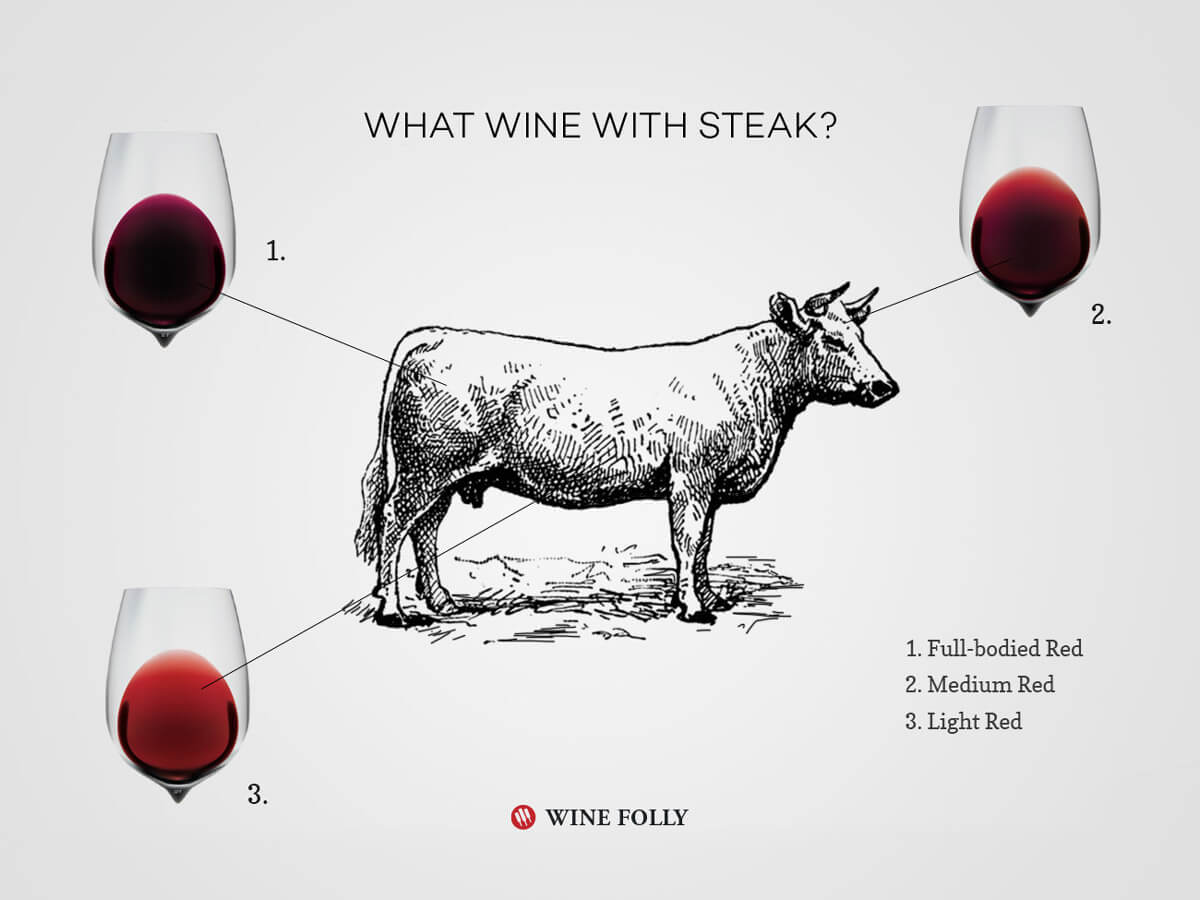
Red wines, such as Cabernet Sauvignon or Syrah, are known for their tannic structure, which can be quite assertive. These wines are often paired with rich, fatty meats like steak, lamb, or grilled beef. The tannins help balance out the fat, making the experience smoother and more enjoyable.
For example, the strong tannins of a Cabernet Sauvignon can enhance the savory flavors of a grilled ribeye, while the wine’s boldness complements the depth of the meat’s flavor. This creates a balance where both the wine and the food shine.
3. Sweet Wines and Their Unique Role
Sweet wines, such as Riesling, Moscato, or Sauternes, have a very specific role in wine pairings. The sugar content in sweet wines acts as a counterpoint to salty or spicy foods, creating an interesting contrast that works exceptionally well.
For instance, a glass of Riesling pairs wonderfully with spicy Asian dishes. The sweetness of the wine helps tone down the heat while amplifying the complex flavors in the food. Similarly, sweet wines like Sauternes are often paired with rich, creamy blue cheeses, where the sweetness balances the sharp, salty flavors of the cheese.
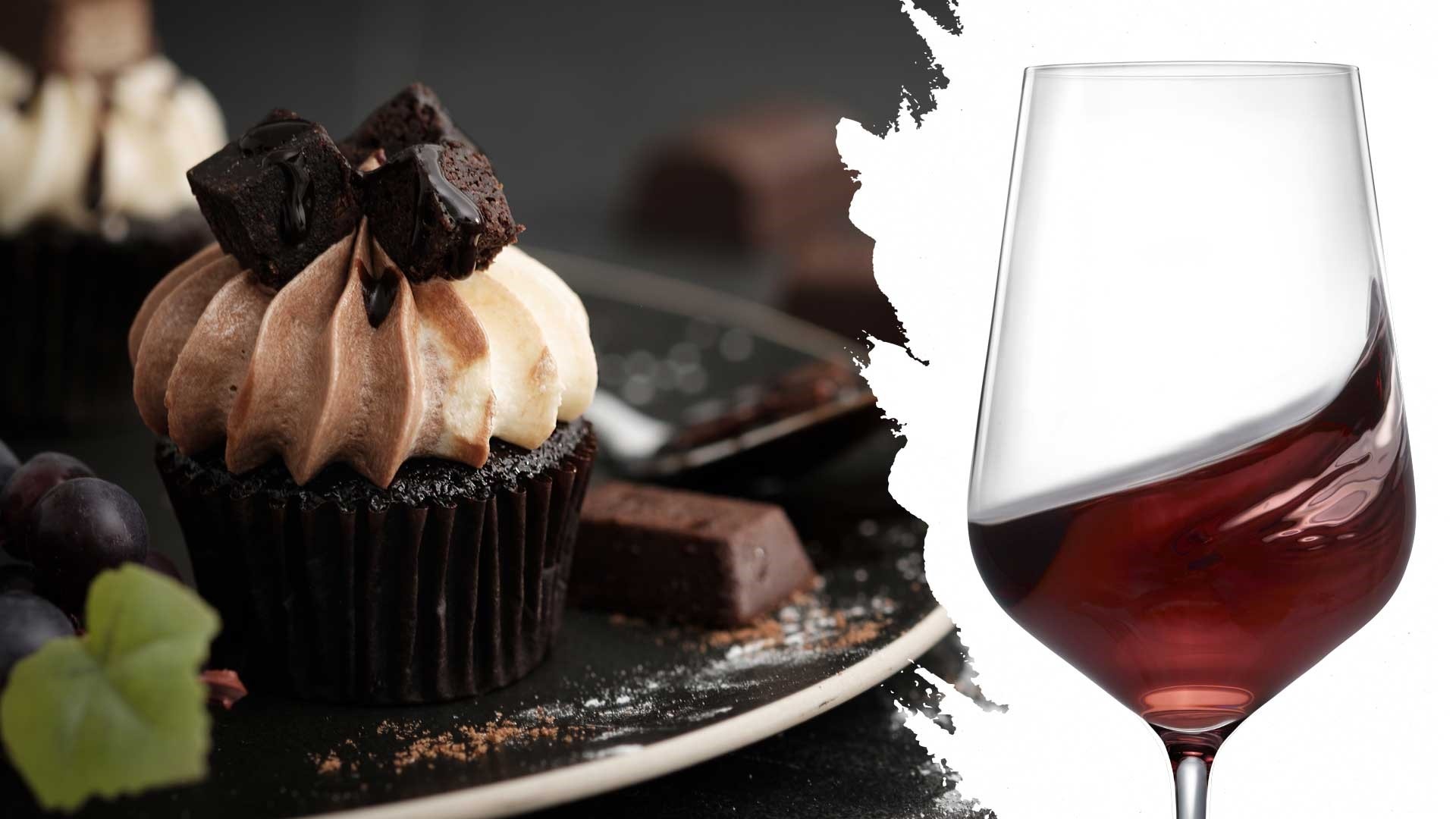
Sweet wines are also often chosen as a complement to desserts. However, one important rule to remember is that the wine should be as sweet as, or sweeter than, the dessert itself. A dessert wine that’s not sweet enough can leave the dessert tasting flat, whereas the right pairing can elevate both elements of the meal.
4. Matching Intensity
Another key consideration in wine pairing is matching the intensity of the wine with the intensity of the food. A delicate, light wine, like Pinot Grigio, is best paired with foods that are equally light in flavor. Think of a fresh, lightly grilled fish or a delicate seafood pasta. The wine won’t overpower the dish, and vice versa, creating a harmonious experience.
On the other hand, bold wines, such as a full-bodied Zinfandel or a smoky Syrah, pair better with foods that have rich, deep flavors. Dishes like barbecue ribs, grilled sausages, or strong-flavored stews can stand up to these wines and allow their robust profiles to shine. Matching the intensity of both the food and wine ensures that neither element dominates, allowing both to be fully appreciated.
5. The Importance of Regional Pairings
One interesting tradition in wine pairing is the practice of matching wines with food from the same region. There’s a reason French Bordeaux wines are traditionally paired with French beef dishes, or why Italian Chianti goes so well with Italian pasta. Regional pairings often work because the foods and wines evolved together, both influenced by the same geography, climate, and culture.
For instance, the Italian region of Tuscany is famous for producing Chianti wines, which are often paired with local staples such as tomato-based pasta sauces and grilled meats. The acidity of Chianti complements the acidity of tomatoes, while the earthy notes of the wine pair beautifully with roasted meats. These regional pairings are a celebration of local ingredients and traditions, creating a truly authentic dining experience.
6. Contrasting Flavors: The Yin and Yang of Pairing
While many pairings focus on complementing flavors, others work through contrast. By pairing contrasting elements, you create a balance that can highlight the nuances of both the wine and the food. This is especially true for salty foods, which are often paired with sweet wines.
For example, the pairing of salty prosciutto with a sweet glass of Moscato creates a delightful contrast. The saltiness of the meat enhances the sweetness of the wine, while the wine’s fruitiness balances out the savory notes of the ham. Similarly, the tang of a lemon-based dish can be offset by a rich, buttery Chardonnay, providing a satisfying contrast that pleases the palate.
7. Wine Pairing and Personal Preference
At the end of the day, wine pairing is subjective. There are no hard and fast rules that will always guarantee the perfect pairing, as each person’s palate is different. While some people may enjoy the classic pairing of a rich red wine with a steak, others might prefer a crisp white wine with the same dish. Personal preference plays a significant role in choosing the right wine to complement your meal.
Exploring different wine and food combinations can be an exciting journey. You might find that a wine you’ve never considered before creates a surprising and delightful pairing with a dish you love. The best way to learn is to experiment and trust your taste buds.
8. How to Experiment with Wine Pairing
If you’re new to wine pairing, start by focusing on the five basic principles: acidity, tannins, sweetness, intensity, and contrasting flavors. Begin with simple combinations and gradually experiment with more complex pairings. Pay attention to how the wine affects the flavors of the food, and take note of which combinations you enjoy the most.
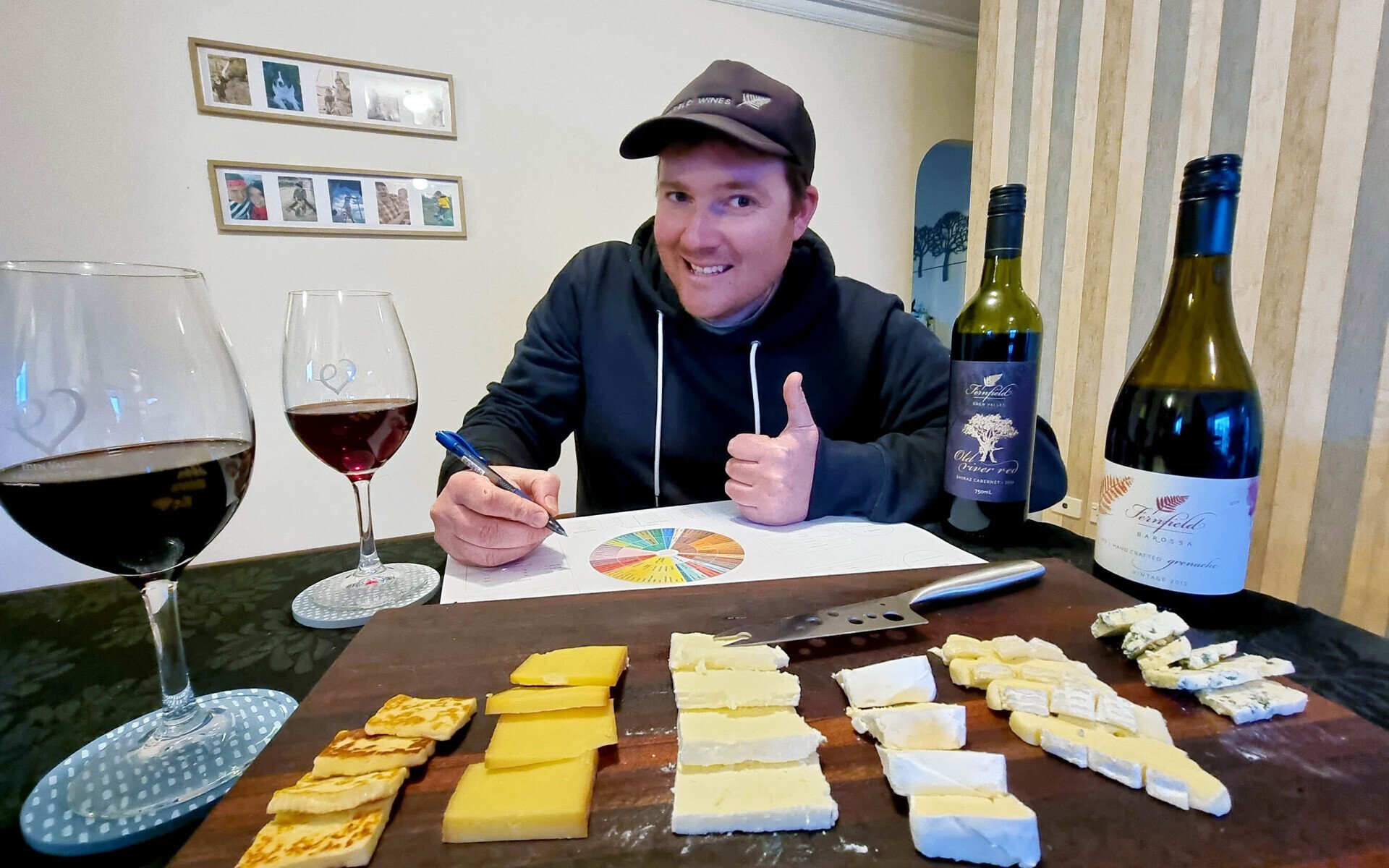
A great way to learn about pairing is to host a tasting session with friends or family. Serve different wines with various dishes and ask everyone to note what works and what doesn’t. By discussing the pairings, you’ll deepen your understanding of why certain wines work with certain foods.
Conclusion: The Pleasure of Pairing
Wine pairing is not just about following rules; it’s about discovering new tastes, textures, and sensations. Whether you’re hosting a dinner party, enjoying a quiet meal, or exploring a new cuisine, the right wine can enhance your experience and elevate the flavors of the dish. While science and tradition certainly play a role in wine pairing, the most important factor is your own enjoyment. So, next time you sit down to eat, don’t be afraid to experiment with different wines and foods. You might just find a new favorite