





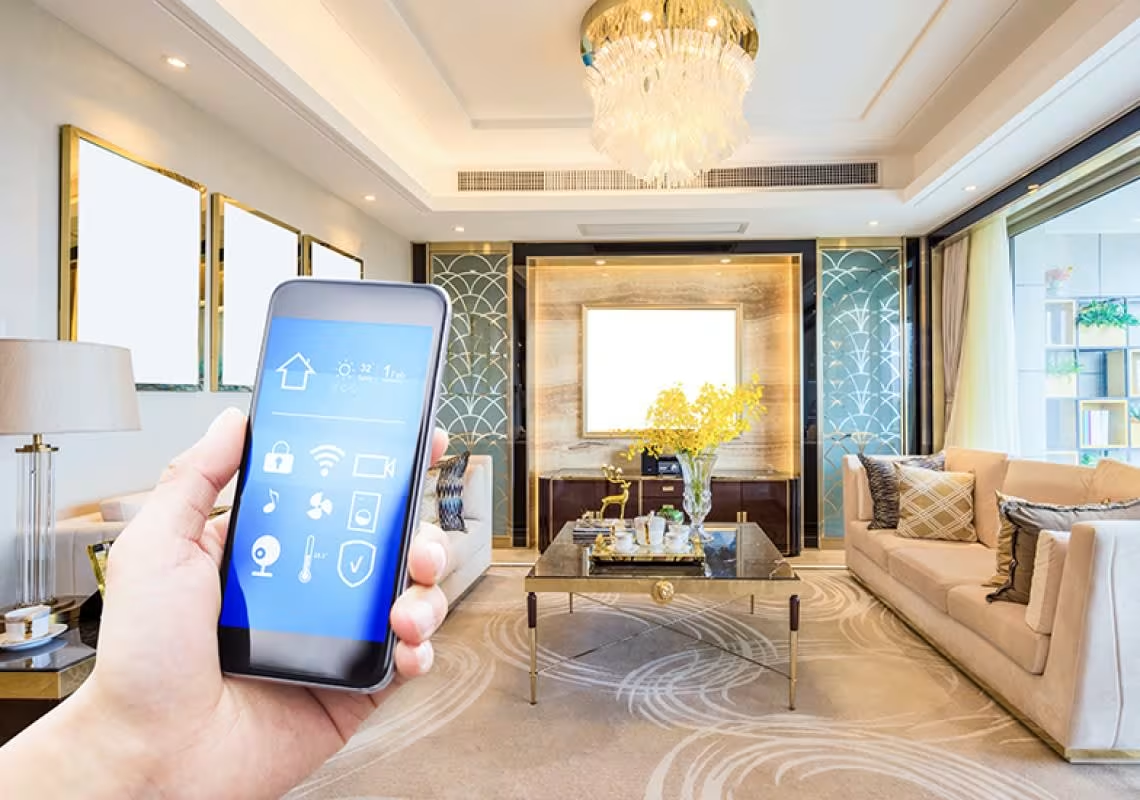

In a world increasingly driven by technology, the concept of a smart home has captured the imagination of homeowners, tech enthusiasts, and futurists alike. The idea is simple yet alluring: a living space that can anticipate your needs, respond to your commands, and optimize your lifestyle with minimal effort. From voice-activated assistants to automated lighting systems and refrigerators that can order groceries, smart homes promise convenience, efficiency, and even security. But beneath the glossy ads and sleek gadgets, one question lingers: are smart homes really as smart as they seem, or are they merely a collection of glorified appliances that happen to connect to the internet?
This exploration dives deep into the realities, challenges, and future potential of smart homes, dissecting their technological foundation, practical benefits, limitations, and the psychology behind their appeal.
The Allure of Smart Homes: Convenience Meets Lifestyle
At their core, smart homes are designed to make life easier. The most common features that draw people in include:
- Voice-activated assistants: Devices like Amazon Alexa, Google Assistant, and Apple Siri allow users to control lights, thermostats, music, and even coffee makers through voice commands. The appeal is undeniable—who wouldn’t want to adjust the temperature or play their favorite playlist without lifting a finger?
- Automated lighting and climate control: Smart thermostats learn your daily schedule, adjusting heating or cooling to maximize comfort while minimizing energy waste. Smart lighting systems can adjust brightness based on time of day or occupancy, creating a dynamic, responsive living environment.
- Connected security systems: Cameras, smart locks, and motion sensors promise enhanced safety by allowing homeowners to monitor their property from anywhere, receive alerts about unusual activity, and even control access remotely.
- Intelligent kitchen appliances: From refrigerators that track expiration dates to ovens that preheat themselves via smartphone apps, smart kitchens are positioned as the pinnacle of culinary convenience.
The underlying promise is simple: a smart home can anticipate your needs, streamline daily routines, and give you more time for what really matters. This vision is compelling enough to drive a booming global smart home market, projected to reach hundreds of billions of dollars in the next decade. But the reality is far more nuanced than the marketing hype suggests.
The Technology Behind Smart Homes
To understand how smart homes work—and where they fall short—it’s essential to examine the technology that powers them. Most smart homes rely on a combination of sensors, wireless communication protocols, cloud computing, and machine learning.
- Sensors and actuators: These are the eyes, ears, and muscles of a smart home. Sensors detect motion, temperature, humidity, light levels, or even the presence of specific individuals. Actuators, in turn, execute commands—turning on lights, adjusting thermostats, or locking doors.
- Wireless communication: Smart devices typically communicate via Wi-Fi, Bluetooth, Zigbee, or Z-Wave. Each protocol has its advantages and trade-offs in terms of range, energy consumption, and compatibility. The choice of protocol often determines the responsiveness and reliability of the system.
- Cloud computing and AI: Many smart devices rely on cloud-based AI to process data and make decisions. Machine learning algorithms can detect patterns in user behavior, predict preferences, and even suggest adjustments for optimal comfort or energy efficiency.
While this sounds advanced, there are inherent limitations. Many devices rely on constant internet connections, creating vulnerabilities if connectivity drops. Machine learning is only as good as the data it receives, meaning smart homes may misinterpret behaviors or fail to adapt to changing routines.
Practical Benefits: Are They Worth the Hype?
Smart homes offer tangible advantages, but their effectiveness varies based on individual lifestyles, home layouts, and technological literacy. Some benefits include:
Energy Efficiency

Smart thermostats, lighting systems, and appliances can optimize energy usage, reducing electricity bills and environmental impact. For example, a smart thermostat can learn when you’re away and adjust heating or cooling accordingly, avoiding unnecessary energy consumption. However, the actual savings often depend on user engagement. A device may offer energy efficiency in theory, but if users override settings or neglect to maintain devices, the benefits diminish.
Enhanced Security
Smart locks, cameras, and sensors provide real-time monitoring and remote control. Users can receive instant alerts for unusual activity and even grant temporary access to trusted individuals without physical keys. Yet, these systems are not foolproof. Cybersecurity risks, network vulnerabilities, and software glitches can compromise security, sometimes creating a false sense of safety.
Convenience and Lifestyle Integration
Smart homes are designed to reduce friction in daily routines. Lights turn on automatically when you enter a room, coffee brews when your alarm goes off, and entertainment systems respond to voice commands. For people with busy schedules or mobility limitations, this convenience is genuinely transformative. However, for others, these features may feel like gimmicks—novelties that require constant maintenance, app management, and updates.
Health and Well-being
Some smart homes integrate health-monitoring features, such as sleep trackers, air quality sensors, and wellness reminders. By collecting and analyzing environmental and behavioral data, smart homes can encourage healthier habits. But the technology is not a substitute for professional medical guidance, and data privacy concerns arise when sensitive personal information is stored in the cloud.
Limitations and Pitfalls of Smart Homes
Despite the promise, smart homes are not without significant drawbacks.
Complexity and Compatibility Issues
Smart devices often come from multiple manufacturers, each with its own app, interface, and ecosystem. Integrating them into a seamless system can be frustrating and time-consuming. Even popular platforms like Apple HomeKit, Amazon Alexa, or Google Home struggle with device compatibility and interoperability, sometimes leaving users juggling multiple apps or losing functionality when devices fail to communicate.
Cost vs. Value
Smart home devices can be expensive. High-end thermostats, security systems, and appliances often cost hundreds or thousands of dollars. While they promise long-term savings and convenience, the initial investment may not always justify the benefits, especially if the user does not fully leverage the technology.
Privacy and Security Concerns
Every connected device is a potential entry point for hackers. Cameras, microphones, and smart assistants can collect sensitive data, raising concerns about surveillance, data breaches, and unauthorized access. Even with encryption and security measures, the risk remains—particularly as devices become more interconnected and dependent on cloud services.
The “Smart” Illusion
Many smart home features are reactive rather than proactive. A light turning on when you enter a room is convenient, but it’s hardly a demonstration of true intelligence. Similarly, smart assistants rely on pre-programmed responses rather than independent reasoning. The reality is that most smart homes are not genuinely “thinking” homes—they are networks of devices responding to inputs in ways that appear intelligent but are often rigid and predictable.
Psychology of Smart Homes: Why We Buy Into the Hype
Despite limitations, smart homes continue to captivate consumers. The appeal is not just functional; it is psychological.
- The illusion of control: Smart homes make users feel in control of their environment, even when technology fails or behaves unpredictably. The ability to monitor, adjust, and automate creates a sense of empowerment.
- The allure of novelty: Technology enthusiasts are drawn to the newest gadgets. Smart homes provide a playground for experimenting with voice commands, automation routines, and futuristic interfaces.
- Status and lifestyle signaling: Owning a smart home can be a status symbol, signaling modernity, wealth, or tech-savviness. This social dimension adds an emotional layer to the perceived intelligence of the home.
Understanding these psychological drivers helps explain why smart homes often exceed their functional value in the consumer imagination. People buy into the promise of a futuristic lifestyle, sometimes overlooking practical limitations.
Case Studies: When Smart Homes Shine and When They Falter
Examining real-world examples reveals both the successes and shortcomings of smart home technology.
Success: Energy Management in Smart Apartments
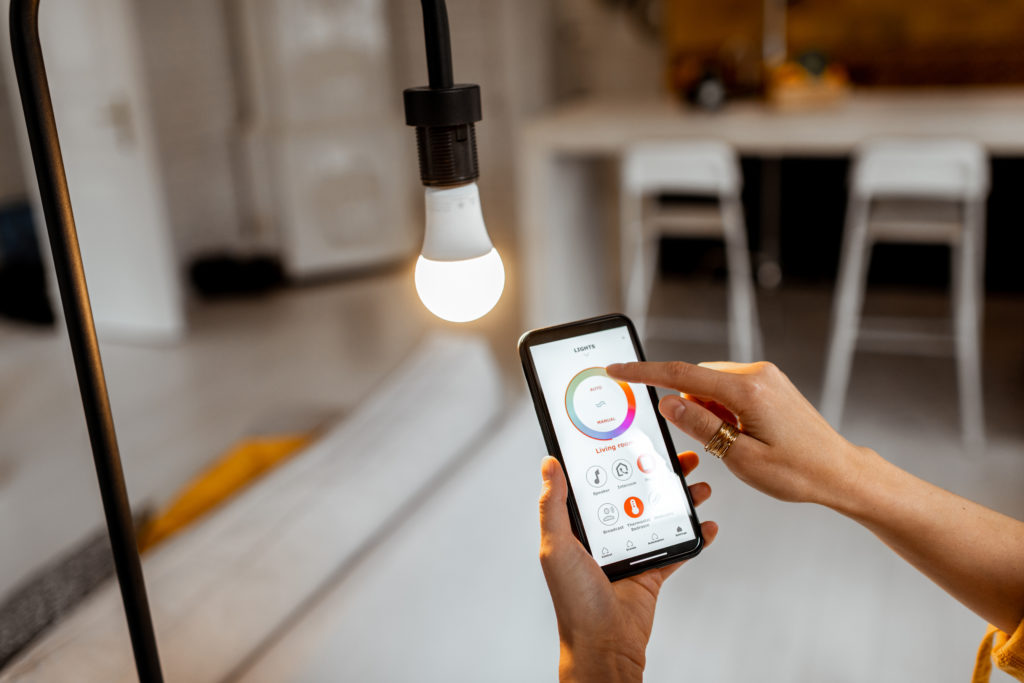
In several pilot projects, smart apartments equipped with learning thermostats, energy-monitoring plugs, and automated lighting achieved significant reductions in energy consumption—up to 25% in some cases. Residents reported that the home adapted to their schedules, reducing waste while maintaining comfort. The key to success was user engagement: tenants who actively used the app and customized settings saw the most benefit.
Failure: Security Glitches in Smart Locks
A widely publicized case involved smart locks that malfunctioned during a software update, locking residents out of their apartments. While the technology theoretically enhanced security, the glitch demonstrated how reliance on automation could create new vulnerabilities. This highlights the importance of robust design, fallback systems, and realistic expectations about device reliability.
Mixed Results: Voice Assistants in Daily Life
Voice assistants like Alexa and Google Assistant are praised for convenience but often criticized for misinterpretations, limited contextual understanding, and over-dependence on cloud connectivity. Users quickly learn to phrase commands carefully or rely on traditional controls when the system fails, revealing that “smart” often means “sometimes convenient” rather than universally intelligent.
The Future of Smart Homes: Beyond Automation
Looking forward, the potential of smart homes extends beyond current automation trends. Emerging technologies could bring genuine intelligence, deeper integration, and greater adaptability. Key areas of development include:
- Artificial intelligence and predictive analytics: Future systems may anticipate needs more accurately, learning nuanced behavioral patterns and adapting dynamically to changes in lifestyle, health, or environmental conditions.
- Interconnected ecosystems: Seamless communication among devices, appliances, vehicles, and urban infrastructure could create truly holistic smart living environments. Imagine a home that communicates with your car to preheat or cool rooms based on estimated arrival time, or with city traffic systems to optimize commuting schedules.
- Sustainable smart homes: Integration with renewable energy sources, smart grids, and energy storage could make homes both self-sufficient and environmentally responsible, reducing ecological footprints while enhancing comfort.
- Privacy-focused innovation: As awareness of data risks grows, companies are exploring local AI processing and decentralized networks that minimize reliance on cloud servers, giving users more control over personal information.
While these possibilities are exciting, they also raise new challenges. Ethical considerations, cybersecurity, affordability, and user accessibility will determine whether the next generation of smart homes truly enhances life or simply perpetuates the illusion of intelligence.
Conclusion: Separating Reality from Hype
Smart homes are a fascinating intersection of technology, lifestyle, and human psychology. They offer real benefits in convenience, energy efficiency, and security, but they are not yet the autonomous, intuitive, and infallible systems that marketing campaigns often imply. Most smart homes are reactive networks of devices with limited learning capabilities, requiring human oversight, troubleshooting, and engagement to function optimally.
The allure of smart homes lies as much in perception as in reality. People are drawn to the promise of a futuristic lifestyle, the appeal of novelty, and the psychological satisfaction of perceived control. For technology enthusiasts and early adopters, this can be transformative. For others, smart homes may feel like a collection of expensive gadgets that occasionally work as advertised.
Ultimately, smart homes are only as smart as the people who inhabit and maintain them. True intelligence may not reside in devices themselves but in the thoughtful integration of technology, human behavior, and design. Understanding this distinction allows homeowners to enjoy the benefits of smart living without falling prey to unrealistic expectations or security risks.
As the field evolves, the gap between perception and reality may narrow. Future smart homes may become genuinely adaptive, predictive, and secure, transforming the way we live, work, and interact with our environments. Until then, it is important to enjoy the conveniences that smart homes offer while staying grounded in the reality of their current limitations.