






Fast food has long been synonymous with burgers, fries, and sugary sodas. For decades, it has held a notorious place in the world of nutrition—quick, convenient, yet far from healthy. But in recent years, the landscape of fast food has started to shift. Consumers increasingly demand healthier choices, and chains are responding with salads, grilled options, plant-based alternatives, and nutrient-rich sides. The question remains: can a fast food chain truly serve healthy options without compromising taste, speed, or profitability? Let’s dive in.
The Evolution of Fast Food
To understand whether fast food can be healthy, we need to look at how the industry has evolved. Originally, fast food was designed for speed and affordability. The focus was on fried foods, processed ingredients, and large portion sizes—perfect for a hungry, time-pressed customer but disastrous for health.
However, cultural shifts and rising awareness of nutrition have transformed expectations. Fast food chains now face pressure from governments, health organizations, and consumers alike to provide options that are lower in calories, fats, and sugars. This shift is not purely altruistic—health-conscious menus can boost brand image, attract new customers, and even increase profits.
The modern fast food chain often markets itself not just as convenient, but as “better for you.” This includes items labeled as low-fat, high-protein, organic, or plant-based. But marketing labels can be misleading, and not every “healthy” item truly supports a balanced diet.
Redefining “Healthy” in the Fast Food Context
“Healthy” is a slippery term. Nutritionists define it based on factors such as calories, macronutrients, micronutrients, fiber content, sodium levels, and ingredient quality. But fast food chains also consider customer satisfaction, taste, and preparation efficiency.
For example, a grilled chicken sandwich may appear healthy, but if it’s loaded with mayonnaise or served on a refined white bun, its nutritional value can drop significantly. Similarly, salads often seem nutritious, but high-fat dressings, cheese, or fried toppings can quickly turn them into calorie bombs.
True healthy options require a balance of:
- Lean proteins (chicken, fish, tofu, legumes)
- Complex carbohydrates (whole grains, quinoa, brown rice)
- Healthy fats (avocado, olive oil, nuts)
- High fiber (vegetables, fruits, whole grains)
- Moderate sodium and sugar
Chains aiming to achieve this balance often need to rethink ingredient sourcing, menu design, and preparation techniques—a major departure from traditional fast food practices.
Menu Innovations That Work
Several global chains have made notable strides in offering healthier options.
1. Salads and Bowls
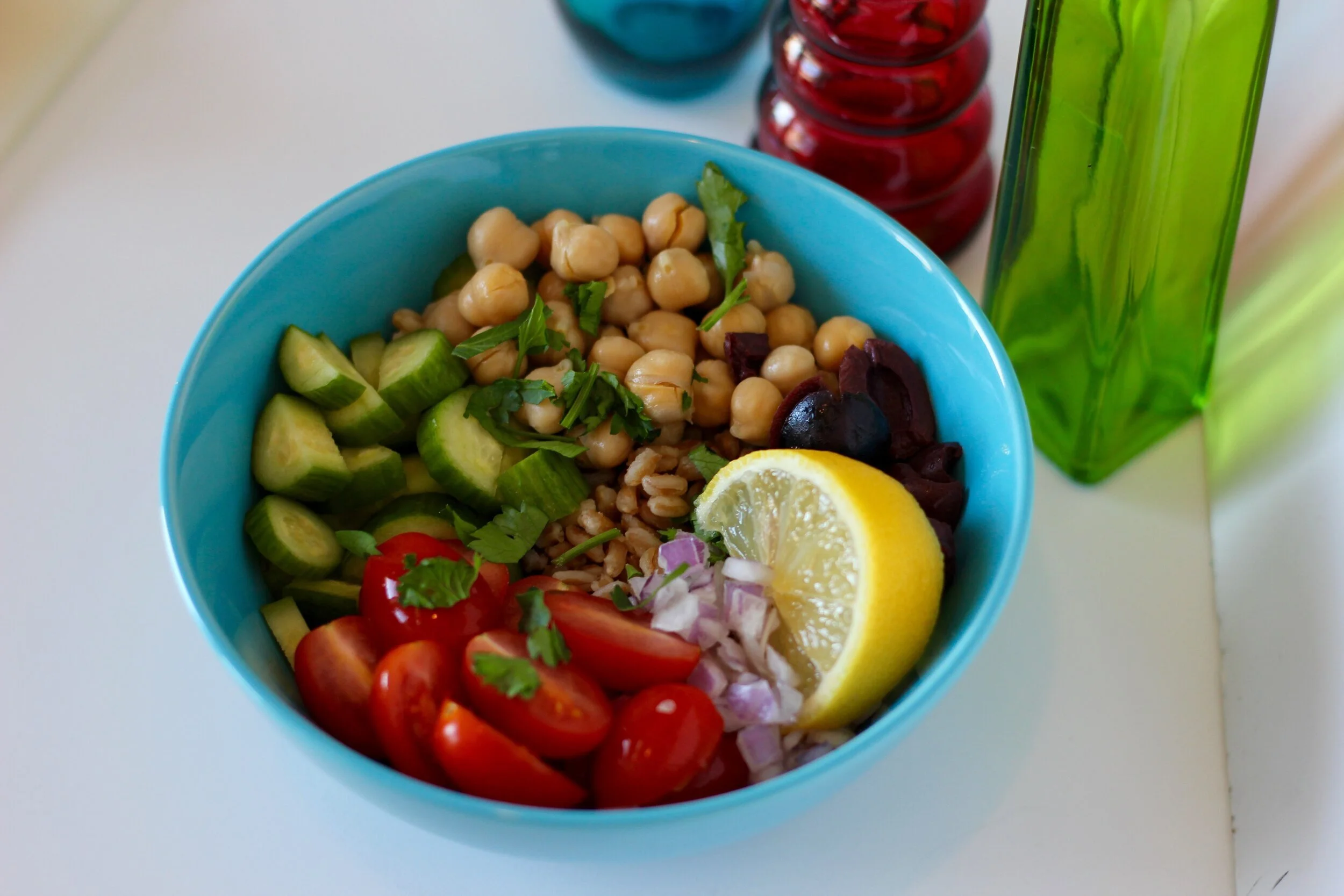
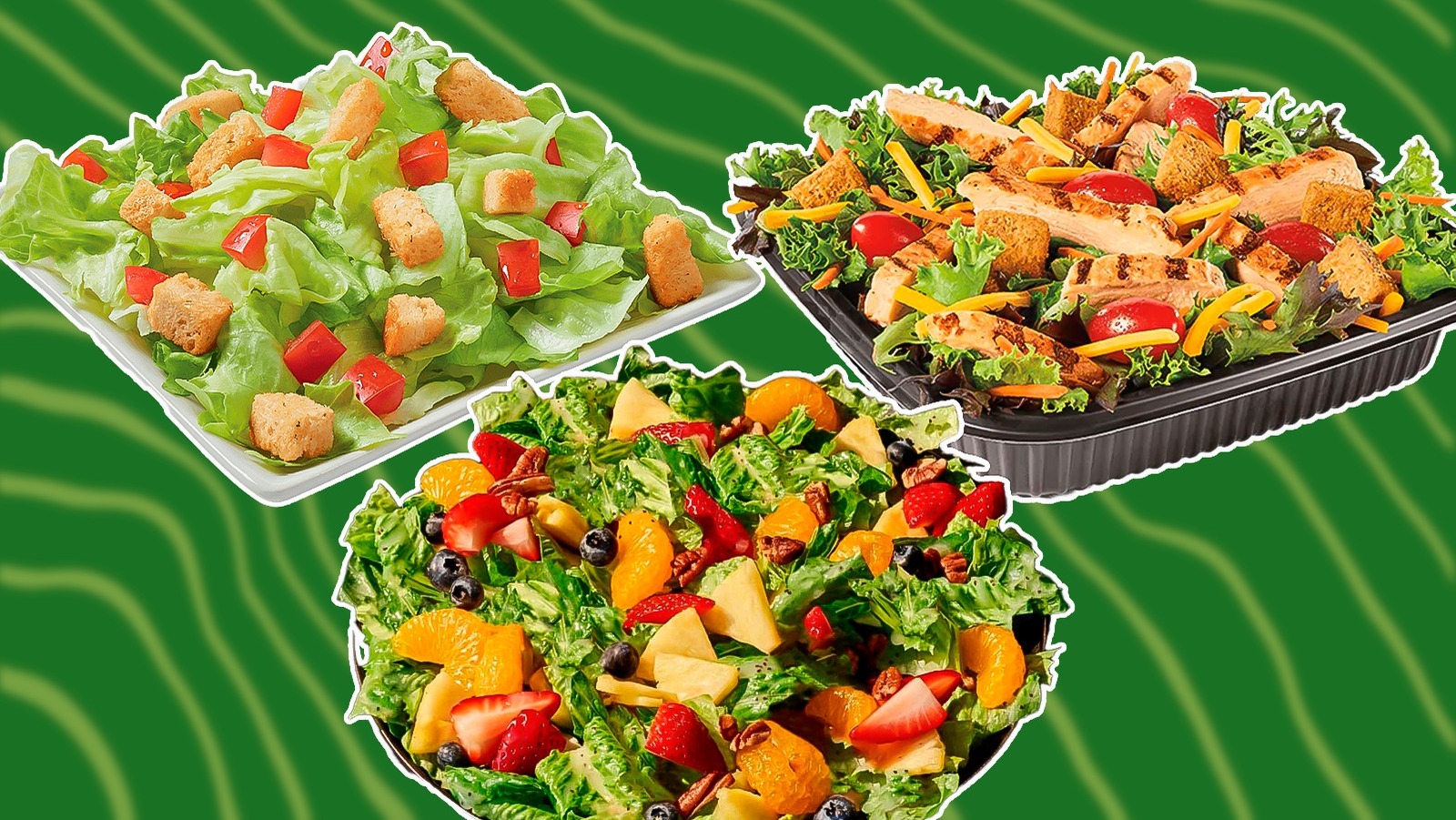
Salads are the obvious choice for a health-focused menu, but they require thoughtful construction. A simple lettuce and tomato base is too sparse; topping it with grilled protein, nuts, seeds, and a controlled amount of dressing transforms it into a balanced meal. Grain bowls combining quinoa or brown rice with vegetables and lean protein have also gained popularity.
2. Plant-Based Alternatives
The rise of plant-based meat substitutes is reshaping fast food. Burgers made from soy, pea protein, or mushrooms can replicate the texture and taste of beef while reducing saturated fats and cholesterol. Plant-based menus also appeal to environmentally conscious consumers, adding a marketing advantage.
3. Smaller Portions, Smarter Sides
Portion control is another avenue for healthier offerings. Instead of a large fries portion, many chains now offer smaller sizes or vegetable sticks. Replacing fried sides with baked or roasted alternatives can reduce caloric load without sacrificing flavor.
4. Beverages That Don’t Sabotage Health
Sugary sodas are a fast food staple, but many chains now provide flavored water, unsweetened iced tea, and low-calorie drinks. Even subtle changes, like using skim milk instead of whole milk in shakes, can improve the nutritional profile.
Challenges in Serving Truly Healthy Fast Food
Despite these innovations, delivering genuinely healthy fast food faces multiple challenges.
Supply Chain Limitations
High-quality, fresh ingredients cost more and may have shorter shelf lives. Fast food chains rely on speed, consistency, and mass production, which sometimes conflicts with sourcing fresh, nutrient-rich items.
Customer Expectations
Many fast food customers seek indulgence rather than nutrition. A grilled chicken salad may satisfy health-conscious consumers, but it doesn’t carry the same emotional appeal as a double cheeseburger. Balancing taste with nutrition is a delicate dance.
Hidden Calories and Additives
Even “healthy” items can hide calories, sodium, and sugar. Sauces, dressings, and seasoning blends often contain hidden fats and sodium. Fast food chains must educate customers while maintaining flavor profiles, which is a subtle but difficult task.
Operational Complexity
Introducing healthy options often requires separate preparation lines, new storage solutions, and additional staff training. The faster a chain is expected to operate, the harder it becomes to maintain quality for these items.
Marketing and the Health Halo Effect
Fast food chains leverage the “health halo” effect—where a single healthy item influences customers’ perception of the whole brand. For example, a chain promoting a kale smoothie or a grilled chicken wrap may be perceived as generally healthier, even if the majority of menu items remain high in fat and sodium.
Marketing can be a double-edged sword. Misleading claims or overemphasis on a single “healthy” option can erode trust if customers feel deceived. Transparency, clear nutrition information, and authentic commitment to healthier options are critical.
Nutritional Transparency and Technology
Technology has become a major ally in promoting healthier fast food options. Many chains now provide detailed nutritional breakdowns online or via mobile apps. Customers can filter items by calories, fat, sodium, protein, or allergens.
Some chains even allow customizable meals, letting customers swap fried items for grilled alternatives, choose whole-grain buns, or add extra vegetables. By integrating tech with menu design, fast food can align more closely with individual nutritional goals.

Case Studies: Chains Leading the Way
McDonald’s
McDonald’s has added salads, fruit sides, and oatmeal to its menu. While these options are healthier than traditional fries and burgers, consumer uptake remains modest. Their success demonstrates the importance of menu visibility, pricing strategy, and taste optimization.
Subway
Subway built its brand on the concept of “Eat Fresh.” With sandwiches rich in vegetables and lean proteins, it has been one of the pioneers in health-oriented fast food. However, over-reliance on bread and sodium-rich sauces can undermine the health benefits if choices aren’t made carefully.
Chipotle
Chipotle emphasizes customizable bowls with beans, rice, vegetables, and proteins, allowing customers to build nutritionally balanced meals. Their commitment to responsibly sourced ingredients adds credibility to their health-focused marketing.
Starbucks
Starbucks has expanded beyond coffee to offer salads, protein boxes, and plant-based options. By providing nutritional transparency and clearly labeling lower-calorie options, they allow customers to make informed decisions without sacrificing convenience.
Psychological Factors: Why We Choose “Healthy” Fast Food
Understanding consumer psychology is key. People often opt for “healthier” items as a way to balance indulgence. For example, a person might order a grilled chicken sandwich instead of a burger to feel virtuous, even if they still pair it with a sugary drink.
The concept of moderation over elimination is critical. Healthy fast food doesn’t have to replace traditional indulgent items entirely; it can coexist and offer consumers a choice. Encouraging mindful eating while providing satisfying flavors is the ultimate goal.
Future Trends in Healthy Fast Food
Looking forward, several trends are shaping the future:
- Functional Ingredients – Foods enriched with vitamins, minerals, probiotics, or antioxidants will become more common.
- Sustainable Sourcing – Health-conscious consumers increasingly demand environmentally friendly ingredients.
- AI-Powered Personalization – Apps may suggest meals based on individual health goals or dietary restrictions.
- Hybrid Menus – Chains may combine indulgent and healthy items, allowing customization to satisfy a broad audience.
Ultimately, the fast food industry’s health transformation hinges on innovation, transparency, and consumer education.
Conclusion
So, can a fast food chain really serve healthy options? The answer is a cautious yes—but with important caveats. Healthier fast food is possible through careful ingredient selection, menu design, portion control, and transparent communication. However, challenges like consumer expectations, operational constraints, and hidden ingredients can limit its impact.
The key lies in balance. Fast food chains cannot be judged solely on a few “healthy” items, nor should consumers expect every menu option to be nutrient-dense. When thoughtfully implemented, healthy fast food can provide convenience, taste, and nutritional benefits—offering a realistic path toward a more balanced diet without sacrificing the speed and accessibility that define the industry.
In short: fast food can be healthier, but it will never replace a home-cooked meal as the cornerstone of nutrition. Instead, it can serve as a convenient, informed choice—an ally rather than an enemy in our quest for better health.