





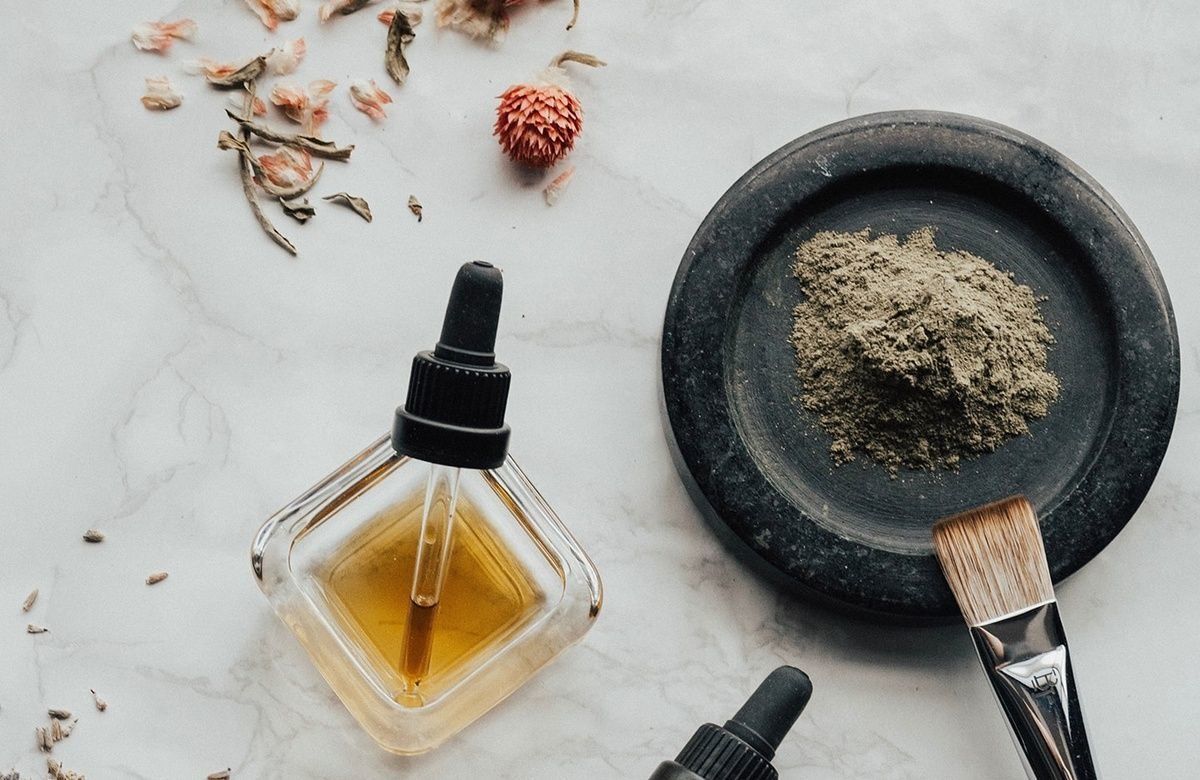

Organic skincare has taken the beauty world by storm. With sleek packaging, enticing labels, and promises of pure, chemical-free formulas, it’s easy to understand why millions reach for these products. But behind the glossy magazine spreads and Instagram reels, the question remains: does organic skincare actually deliver the results it promises, or is it simply a marketing phenomenon designed to appeal to our love for “natural” and “eco-friendly”? Let’s dive into the world of organic skincare, explore its science, myths, and realities, and find out if the hype is worth it.
Understanding Organic Skincare
Before debating its effectiveness, we need to understand what organic skincare actually means. The term “organic” is frequently misused and misunderstood. In cosmetics, organic typically refers to ingredients grown without synthetic pesticides, herbicides, or genetically modified organisms (GMOs). Unlike conventional products, which may contain synthetic preservatives, fragrances, and dyes, organic skincare emphasizes ingredients derived from plants, minerals, and natural oils.
However, it’s important to note that “organic” does not automatically mean “safe” or “effective.” Many natural ingredients can be irritants, allergens, or even toxic in high concentrations. Lavender oil, for instance, is organic but can cause skin irritation for sensitive individuals. Similarly, some chemical-based ingredients in conventional products, like hyaluronic acid or niacinamide, are clinically proven to deliver tangible skin benefits, and their absence in an organic formula doesn’t necessarily make it superior.
The Science Behind Organic Ingredients
Organic skincare relies on plant-derived compounds such as antioxidants, essential oils, vitamins, and minerals. These ingredients can provide genuine benefits:
- Antioxidants: Vitamins C and E, green tea extract, and pomegranate extract can neutralize free radicals, reducing oxidative stress that contributes to aging.
- Fatty Acids and Oils: Organic oils like jojoba, argan, and rosehip supply essential fatty acids that strengthen the skin barrier and maintain hydration.
- Botanical Extracts: Chamomile, calendula, and aloe vera can soothe inflammation and redness.
Despite the benefits, the concentration of these ingredients is crucial. A drop of rosehip oil in a 50ml bottle doesn’t guarantee noticeable results. Scientific studies show that effectiveness depends on the formulation, absorption, and stability of the compounds. Natural antioxidants, for instance, degrade faster than synthetic counterparts if not stabilized properly, meaning the product can lose potency before it even reaches your skin.
Common Misconceptions
1. “Organic Means Chemical-Free”
This is one of the most persistent myths. Everything is made of chemicals, including water, plant oils, and vitamins. The real distinction is between synthetic and naturally derived chemicals. Organic products can contain chemicals too—they just happen to be naturally sourced.
2. “Organic Skincare is Safer for All Skin Types”
While organic formulas are often free from harsh synthetic ingredients, they are not universally safe. Essential oils, even in small amounts, can trigger allergic reactions. Nut oils can cause breakouts in oily or acne-prone skin. Being organic does not replace patch testing or personal sensitivity checks.

3. “Organic Skincare is Better for the Environment”
Organic farming practices are generally more sustainable, but packaging, transportation, and production methods also significantly impact the environmental footprint. A small, imported organic cream with excessive packaging may have a larger carbon footprint than a locally produced conventional alternative.
How Organic Skincare Compares to Conventional Skincare
Effectiveness isn’t only about the source of ingredients; it’s about concentration, stability, and scientific validation. Let’s break down the comparison:
| Feature | Organic Skincare | Conventional Skincare |
|---|---|---|
| Ingredients | Plant-based, chemical-free | Synthetic or plant-based |
| Evidence | Limited clinical trials, anecdotal | Backed by extensive research |
| Irritation Risk | Lower for some, higher for others | Can include irritants |
| Shelf Life | Shorter, requires preservatives like natural antioxidants | Longer due to synthetic preservatives |
| Environmental Impact | Often better if local and minimal packaging | Variable, depends on production & packaging |
The takeaway? Organic skincare can be beneficial, but conventional products often have stronger scientific backing. A hybrid approach—combining organic ingredients with clinically proven compounds—might offer the best of both worlds.
Hype vs Reality: Marketing Influence
Organic skincare marketing is powerful. Buzzwords like “clean beauty,” “non-toxic,” and “eco-friendly” make consumers feel responsible and conscious while pampering themselves. Social media influencers amplify the trend with aesthetically pleasing posts and “before-and-after” claims.
Yet, many of these claims aren’t regulated. Unlike food labels, the cosmetics industry allows brands to market products as organic without rigorous certification in some countries. Only a few certifications, like USDA Organic or Ecocert, guarantee that a product meets specific standards. Without certification, “organic” is often a marketing term rather than a scientific guarantee.
Popular Organic Ingredients and Their Effects
Here’s a closer look at commonly used organic ingredients and what they really do:
- Aloe Vera: Soothes and hydrates, reduces inflammation. Effective for sunburns and sensitive skin.
- Chamomile: Anti-inflammatory and calming, reduces redness and irritation.
- Green Tea Extract: Powerful antioxidant, can improve skin elasticity and reduce signs of aging.
- Rosehip Oil: Rich in vitamin A and fatty acids; may improve scars and skin texture.
- Coconut Oil: Moisturizes effectively, but can clog pores for acne-prone skin.
- Shea Butter: Excellent for hydration and repairing the skin barrier, especially in dry climates.
While these ingredients are beneficial, their results are often subtle and cumulative. Expecting overnight miracles is unrealistic.
The Cost Factor
Organic skincare is often significantly more expensive than conventional alternatives. Why?
- Higher production costs: Organic farming yields are lower and more labor-intensive.
- Certification costs: Obtaining an organic label requires inspections and documentation.
- Niche marketing: Organic brands often target affluent consumers who associate price with quality.
While the higher cost may reflect ethical and environmental considerations, it doesn’t guarantee superior skin results. Spending on well-formulated conventional products can sometimes be more effective than splurging on organic ones with minimal active ingredients.
Who Should Consider Organic Skincare?
Organic skincare isn’t for everyone, but it can be particularly useful for certain groups:
- Sensitive Skin Types: Avoiding synthetic fragrances, dyes, and preservatives can reduce irritation.
- Eco-Conscious Consumers: Organic and sustainably sourced ingredients often have a smaller environmental impact.
- Fans of Minimalist Skincare: Simple formulations with fewer synthetic ingredients appeal to those preferring minimalism.
However, individuals with specific skin concerns—acne, hyperpigmentation, or severe dryness—may benefit more from clinically proven compounds found in conventional products.
How to Choose the Right Organic Product
To avoid falling for marketing gimmicks, consider the following steps:
- Check Certification: Look for USDA Organic, Ecocert, or COSMOS-approved labels.
- Read Ingredients: Focus on meaningful concentrations of active compounds.
- Understand Your Skin Needs: Match ingredients to your skin type and concerns.
- Patch Test: Always test new products on a small area to avoid adverse reactions.
- Review Shelf Life: Organic products often expire faster—check the production and expiration dates.
The Future of Organic Skincare
The organic skincare market is expected to grow steadily over the next decade, driven by:
- Increasing consumer awareness about environmental and health impacts.
- Demand for transparency in ingredients and production.
- Advances in green chemistry allowing organic formulas to be more effective.
Hybrid products—organic ingredients combined with clinically validated compounds—will likely dominate, offering the luxury of natural formulations without sacrificing results.
Conclusion: Does Organic Skincare Live Up to the Hype?
Organic skincare can deliver benefits, particularly in hydration, soothing inflammation, and providing antioxidants. Its appeal is real and justified for people seeking natural, eco-conscious options. However, the hype often exaggerates the results.
Effectiveness depends less on whether a product is “organic” and more on:
- Concentration and stability of active ingredients
- Suitability for your skin type
- Proper usage and consistency
Organic does not automatically mean better, safer, or more effective. It’s a valuable option, but informed choices, realistic expectations, and understanding your skin’s needs are key. In the end, whether organic skincare lives up to the hype depends on the combination of science, formulation, and personal experience rather than marketing promises alone.