






In the age of digital convenience, almost everything we do seems to have a smartphone app attached to it. From ordering groceries to monitoring sleep patterns, these tiny pieces of technology have infiltrated almost every aspect of daily life. But one question persists: can a simple smartphone app genuinely improve your health? At first glance, the answer might seem like a predictable “yes” or “no.” However, the reality is far more nuanced. Let’s unpack the science, psychology, and technology behind the idea that a humble app on your phone could influence your well-being in profound ways.
The Rise of Health Apps
The smartphone revolution has spawned a massive health tech industry. As of recent years, there are hundreds of thousands of apps claiming to improve health—some through exercise tracking, others through diet monitoring, and a growing number through mental health support. The sheer volume of these apps might make anyone feel overwhelmed, but the core premise is surprisingly simple: consistent tracking and feedback can change behavior.
Behavior change is at the heart of almost every health app. Whether it’s a fitness tracker nudging you to walk more steps or a meditation app reminding you to breathe, apps rely on psychological principles to modify behavior. Gamification, notifications, goal-setting, and progress visualization are all tools that encourage users to stick to healthier habits.
How Apps Influence Physical Health
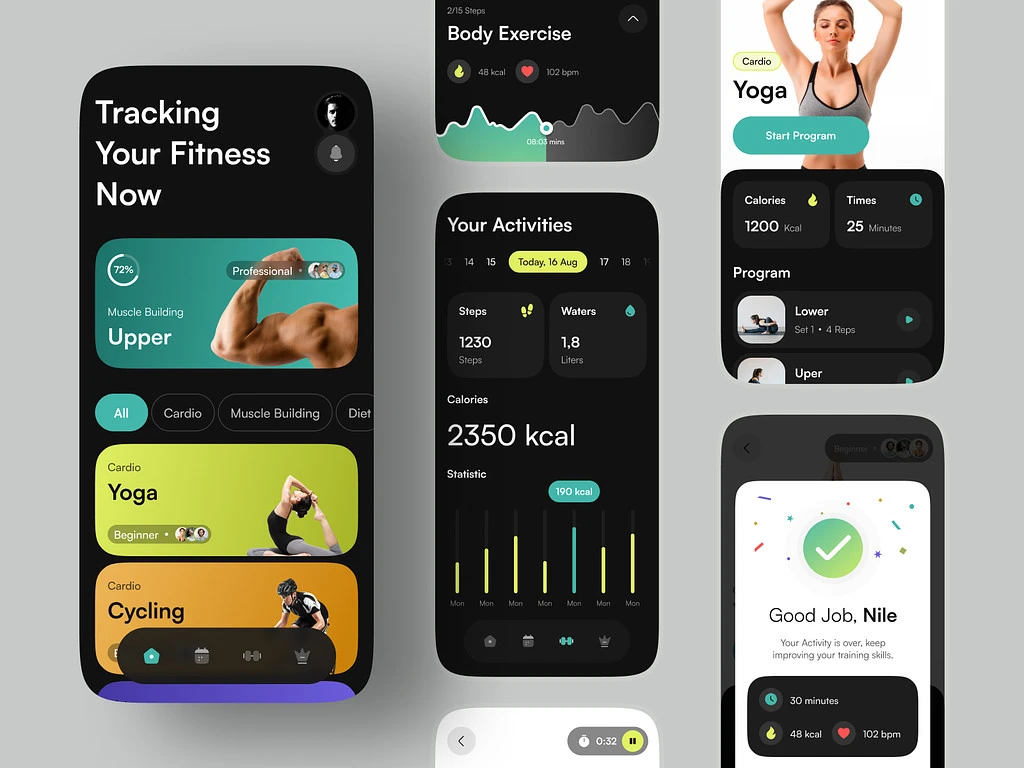
One of the most straightforward ways apps improve health is through physical activity. Fitness apps track steps, calories, heart rate, and even sleep. Some integrate with wearable devices, creating a feedback loop that motivates users to move more and sit less. Research has shown that people who use fitness trackers tend to increase their daily step counts and become more consistent with exercise routines.
The magic of these apps lies not just in tracking data but in creating a sense of accountability. For example, a step counter provides immediate feedback: every time you hit a milestone, your brain experiences a tiny reward, reinforcing the behavior. Over time, these small reinforcements can translate into long-term lifestyle changes.
Diet and nutrition apps function similarly. By logging meals, scanning barcodes, or tracking macronutrients, users become more aware of what they eat. Awareness is a powerful tool for change; many people underestimate calorie intake or overestimate portion sizes. Apps provide a simple interface to monitor these details, nudging users toward healthier choices without feeling like a diet restriction.
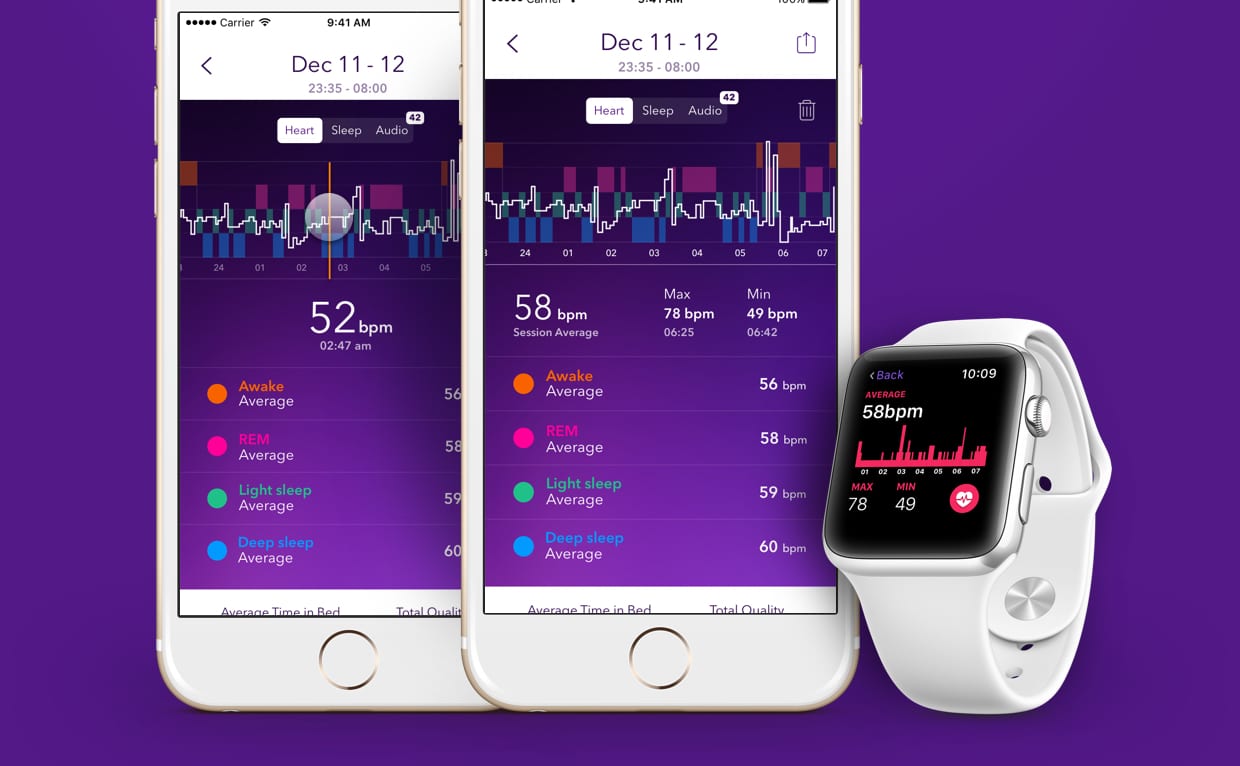
Sleep apps are another category with growing importance. Quality sleep is foundational to physical and mental health, yet many people neglect it. Sleep tracking apps use phone sensors or wearable integration to monitor sleep patterns, offering insights into duration, quality, and disruptions. Some even provide gentle alarms designed to wake users at optimal moments in their sleep cycle, improving alertness and mood throughout the day.
Mental Health: The Silent Beneficiary
While physical health is often the focus of health apps, mental health has become an equally important target. Meditation, mindfulness, stress management, and cognitive behavioral therapy (CBT) apps are gaining popularity. These tools offer guided exercises, mood tracking, journaling prompts, and stress-relief techniques—all accessible from the palm of your hand.
The appeal of mental health apps is their accessibility. Many people face barriers to traditional therapy, such as cost, stigma, or time constraints. Apps provide an entry point, allowing users to explore self-help strategies in private. While apps cannot replace professional therapy in severe cases, they can complement it, especially for stress management, anxiety reduction, and habit formation.
.webp)
The Science of Engagement
The effectiveness of health apps depends heavily on user engagement. Downloading an app is only the first step; sustained use determines whether it has any real impact. Developers often rely on behavioral science to maintain engagement, leveraging rewards, streaks, reminders, and social features.
Social integration can be surprisingly powerful. Many fitness apps allow users to connect with friends, join challenges, or share achievements. This taps into our social nature, creating external accountability. When users see peers achieving goals or receiving praise, it can boost motivation through social comparison and reinforcement.
Gamification is another cornerstone. Turning mundane health tasks into a game-like experience—earning points, unlocking levels, or completing challenges—can transform a chore into a motivating activity. This approach works because it activates the brain’s reward system, reinforcing consistent behaviors.
Data-Driven Insights
One of the underappreciated benefits of health apps is the ability to gather and analyze personal health data. By tracking behavior over time, users can identify patterns and correlations that may have gone unnoticed. For instance, an app might reveal that late-night screen time correlates with poor sleep, or that skipping breakfast leads to overeating in the afternoon.
Data visualization plays a crucial role here. Seeing trends in graphs or charts makes abstract concepts like “activity levels” tangible. Users can make informed decisions, adjust routines, and measure progress. In a sense, health apps transform subjective experiences into objective, actionable insights.
Personalization: The Key to Effectiveness
Not all apps are created equal. Personalization—the ability of an app to adapt to individual needs and preferences—significantly affects outcomes. Generic advice often falls flat, but tailored recommendations increase relevance and engagement. For example, a fitness app that adjusts workout intensity based on user performance is more likely to keep users motivated than one that delivers the same routine to everyone.
Advanced apps may incorporate AI to refine personalization. By analyzing user behavior, preferences, and feedback, these apps can predict optimal strategies, provide adaptive coaching, and even anticipate potential obstacles. The result is a more intelligent, responsive system that feels less like a generic tool and more like a personal guide.
Limitations and Challenges
Despite their potential, health apps are not a magic bullet. The most significant limitation is user adherence. Many people download apps with enthusiasm but abandon them within weeks. Without consistent engagement, even the most sophisticated app is ineffective.
Data accuracy is another challenge. Sensors can misread steps, heart rates, or sleep stages, leading to inaccurate feedback. Users may overtrust app metrics, which could result in misguided decisions.
Privacy is a third concern. Health apps collect sensitive personal data. Without robust security measures, this information can be vulnerable to breaches. Users must be cautious and selective, choosing apps with transparent data policies and secure storage.
Finally, apps cannot replace professional medical care. While they can support health improvement, they are supplementary tools. For serious conditions or persistent symptoms, consulting a healthcare professional remains essential.
Real-World Success Stories
Despite challenges, there are many success stories demonstrating the potential of health apps. Individuals have reported significant weight loss, improved fitness levels, better sleep patterns, and reduced stress. In workplace wellness programs, apps have increased employee engagement in physical activity, contributing to overall health improvements and even reduced absenteeism.
For mental health, studies show that consistent use of meditation or CBT apps can reduce anxiety and depressive symptoms in mild to moderate cases. Users often cite convenience, privacy, and structured guidance as key factors in their success.
Beyond Individual Health: Societal Impact
Health apps don’t just benefit individuals; they can influence broader societal trends. Population-level data, aggregated anonymously, can provide insights into public health patterns, such as exercise trends, sleep habits, or mental well-being. Policymakers and researchers can use this data to inform health campaigns, resource allocation, and preventive strategies.
Moreover, health apps can make wellness more accessible. Rural areas, low-income communities, or regions with limited healthcare infrastructure can benefit from digital health tools. While not a complete solution, apps can bridge gaps in access and provide early intervention opportunities.
The Future of Health Apps
The potential of health apps is still unfolding. Future developments may include deeper integration with wearable tech, AI-driven predictive analytics, and personalized virtual coaching. Imagine an app that senses stress levels through subtle physiological cues and delivers customized relaxation exercises before tension escalates, or a nutrition app that creates meal plans based on real-time blood sugar readings.
Virtual reality (VR) and augmented reality (AR) may also play a role, transforming workouts, meditation sessions, or therapy into immersive experiences. Social connectivity will likely expand, enabling global challenges and community support networks. The health app of the future will be more than a tool—it will be a personalized, intelligent companion for holistic wellness.
Conclusion
So, can a simple smartphone app improve your health? The answer is: absolutely—but with conditions. Apps are powerful tools for behavior modification, awareness, and habit formation. They can enhance physical activity, improve nutrition, promote better sleep, and support mental well-being. Yet their effectiveness depends on consistent engagement, accurate data, personalization, and integration with professional guidance when necessary.
In essence, a smartphone app is not a miracle cure but a modern ally in health management. Its simplicity belies its potential: a tiny device in your pocket can provide insights, motivation, and structure, guiding you toward a healthier life—if you choose to engage with it intentionally. With thoughtful selection and regular use, a simple health app can indeed transform everyday habits into lasting improvements, demonstrating that even small digital interventions can produce meaningful changes in human health.