





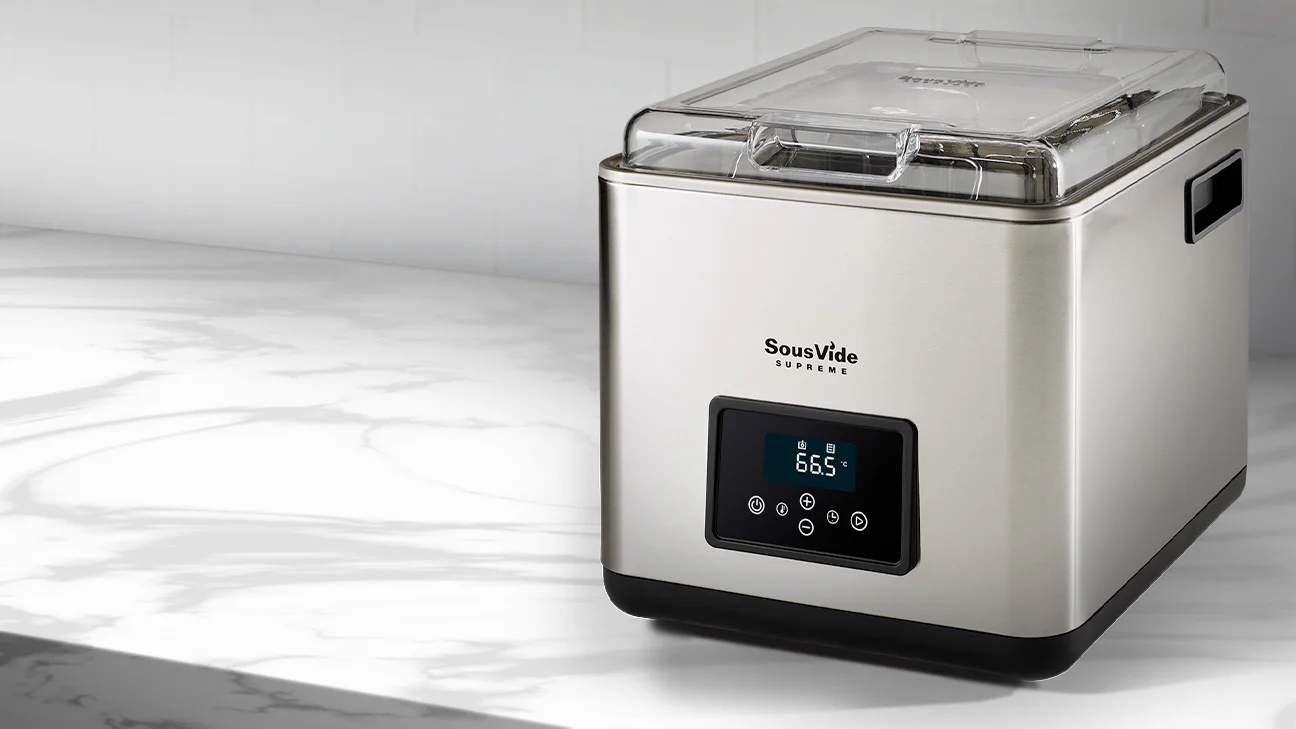

Sous vide. It’s one of those kitchen terms that’s been tossed around more often than your favorite cooking show host’s catchphrase. But what is sous vide cooking? Is it just another passing trend, or has it carved a place for itself as a revolutionary method in the kitchen? With its claim to produce perfectly cooked meats and vegetables, it’s no wonder so many are intrigued. But before you jump on the bandwagon, let’s dig deeper and figure out whether sous vide cooking is really worth all the hype.
The Basics: What is Sous Vide?
The term “sous vide” is French for “under vacuum.” It’s a cooking technique that involves sealing food in a vacuum-sealed bag and then cooking it in a water bath at a precisely controlled temperature for a long period of time. Essentially, it’s like slow cooking—but with much more control. The idea is that by cooking food at a lower temperature than traditional methods, the proteins and juices are locked in, resulting in a more flavorful and tender dish.
Sounds fancy, right? But does it live up to its promises?
How Does Sous Vide Work?
Sous vide works by gently heating food in a water bath that’s kept at a precise temperature. Unlike traditional cooking methods that rely on high heat (which can lead to overcooked exteriors and raw centers), sous vide relies on heat transfer from the water, ensuring that the food cooks evenly from edge to edge.
Let’s break it down:
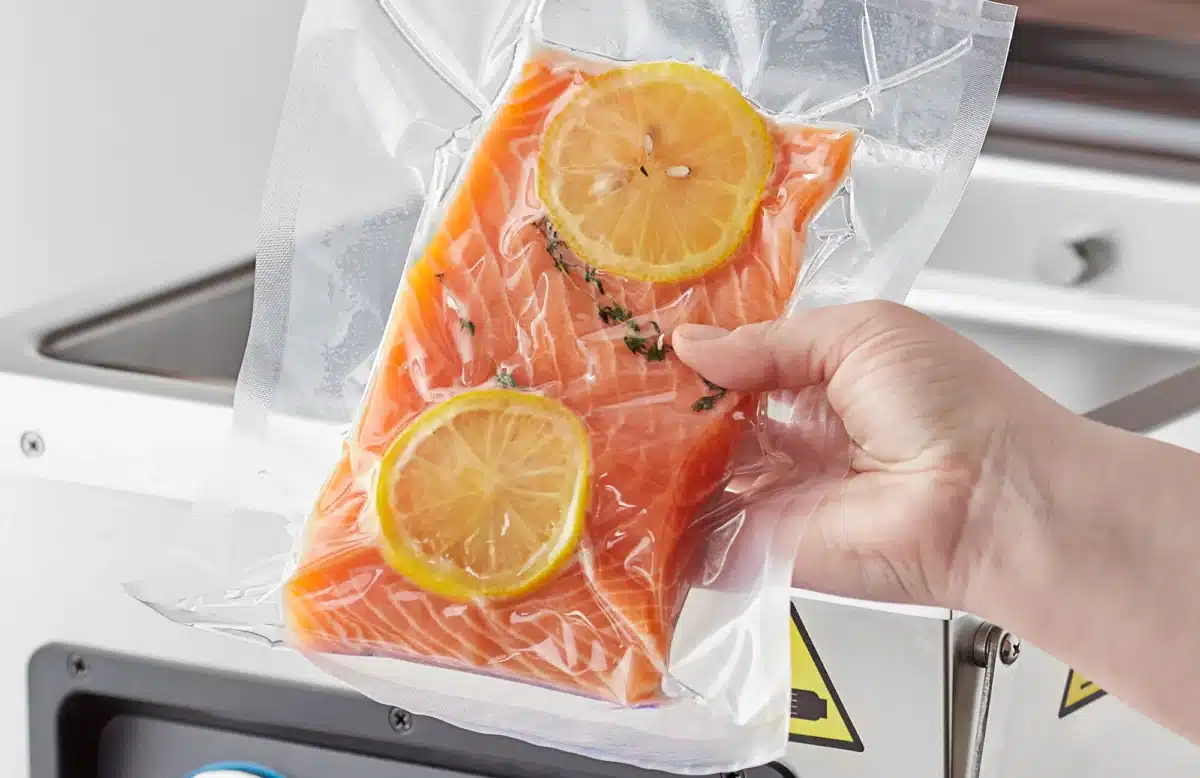
- Vacuum Sealing: The first step is to vacuum-seal your food in a plastic bag. This step prevents the food from floating around in the water and ensures that it doesn’t lose moisture during the cooking process.
- Water Bath: Once sealed, the bag is submerged in a temperature-controlled water bath. This temperature can be set anywhere from 120°F (49°C) for delicate fish to 160°F (71°C) for meats like beef or chicken.
- Precision Cooking: The food stays in the water bath for hours—usually anywhere from one to six hours, depending on what you’re cooking. Because the temperature is controlled so precisely, there’s almost no chance of overcooking or undercooking. Once the food reaches the set temperature, it’s done.
- Finishing: Most sous vide recipes require a quick sear or grill after the bath to create a crispy, golden-brown crust. This step adds flavor and texture that wouldn’t develop while cooking in the water.
The Pros: Why Sous Vide is Popular
- Consistency: One of the biggest draws of sous vide cooking is its precision. If you’ve ever had to deal with unevenly cooked steaks or overcooked chicken, you know the frustration that comes with trying to get that “just right” result. With sous vide, you don’t have to worry about that. Every time you cook, you’ll get the same perfect texture, doneness, and juiciness. No more guesswork.
- Flavor Preservation: When you cook food traditionally, moisture evaporates, and natural flavors are lost to the air. Because sous vide cooking takes place in a sealed bag, all the juices, fats, and flavors are trapped inside. The result is an intensely flavorful dish that retains its original taste and moisture.
- Tenderness: Sous vide cooking is the magic bullet for creating incredibly tender meats. Slow cooking in a low-temperature water bath breaks down collagen and connective tissues in meat without drying it out, resulting in a super tender texture. Steaks, pork chops, and chicken breasts can be incredibly juicy and tender without the risk of becoming tough or dry.
- Convenience: The beauty of sous vide cooking lies in its “set it and forget it” nature. Once your food is sealed in the bag and the water bath is running, you can walk away and do other things. No more hovering over the stove or worrying about burning your food. Plus, because the cooking process is so low-maintenance, you can cook multiple portions at once—perfect for meal prepping.
- Healthier Cooking: Since food is cooked in its own juices and fats, there’s little need for additional oils or fats that are often used in other cooking methods. The slow cooking process also helps retain vitamins and nutrients that may otherwise be lost during high-heat cooking methods.
The Cons: Why Sous Vide Might Not Be for Everyone
- Time-Consuming: While sous vide guarantees precision, it’s not exactly fast. Cooking times can range from one hour to several hours, depending on the food. For a quick weeknight dinner, sous vide might not be the most practical option. If you’re craving a steak, grilling or pan-searing it will always be quicker.
- Lack of a “Crisp” Factor: While sous vide makes food tender and juicy, it doesn’t provide the same crispy crust that a grill or pan can create. A quick sear at the end solves this problem, but it does add extra time. Some people prefer the crunchy exterior that comes with traditional cooking methods.
- Equipment Costs: To get started with sous vide cooking, you’ll need a few essential tools: a sous vide immersion circulator (which keeps the water at the correct temperature) and vacuum-seal bags or a vacuum sealer. High-quality immersion circulators can range from $100 to $300 or more. While some may argue that it’s worth the investment, it’s certainly not a cheap hobby to start.
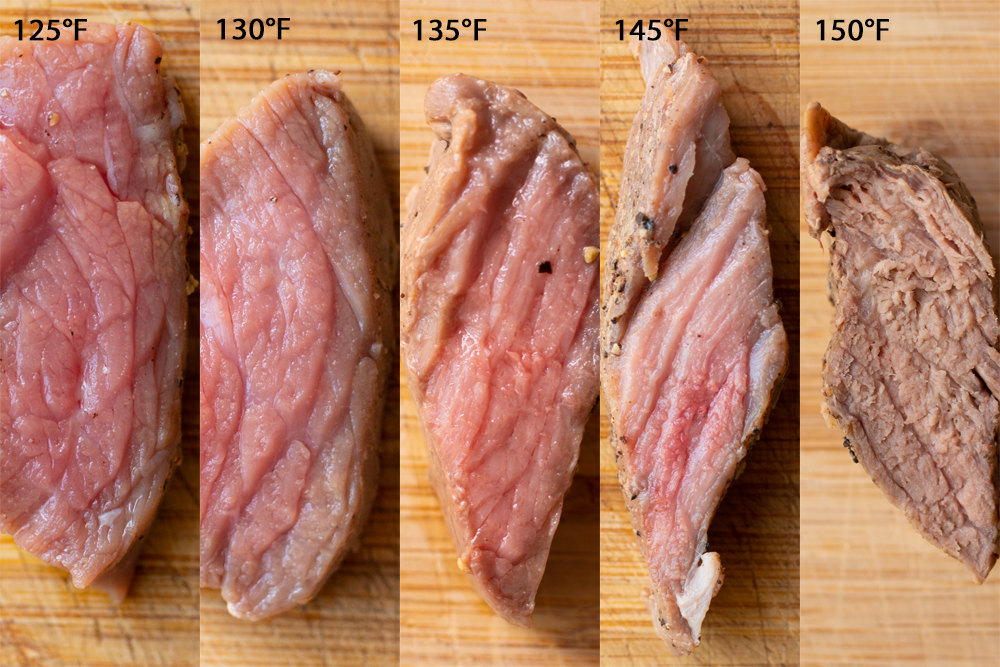
- No Visual Cues: Traditional cooking methods like grilling or roasting offer the benefit of being able to see and judge the doneness of your food based on its appearance. Sous vide removes that ability. You can’t just “eyeball” your steak or check the color of your chicken. This may feel like a gamble for people who are more comfortable with their tried-and-true cooking methods.
- Space Considerations: While sous vide machines are becoming smaller and more compact, they still require counter space and a large enough container to hold your water bath. If you’re working with a small kitchen, this may not be the most space-efficient option.
Is Sous Vide Cooking Really Worth the Hype?
So, after all the pros and cons, the question remains: is sous vide really worth the hype?
It depends.
Sous vide is undeniably a game-changer for those who value precision and consistency in their cooking. If you’re a perfectionist in the kitchen who enjoys experimenting with different textures, sous vide may open up a whole new world of culinary possibilities. For meat lovers, it’s particularly appealing since it makes it easier to cook steaks, chicken, or fish to the exact level of doneness without any guesswork.
However, if you’re someone who enjoys quick, hands-on cooking with a crispy finish, or if you don’t have the time or space to commit to sous vide cooking, it might not be the right choice. It’s also worth considering whether you’re willing to invest in the necessary equipment and spend the time needed to cook your food.
In the end, sous vide cooking is worth the hype for those who are looking for convenience, flavor preservation, and precise results. But for others, it may just be an expensive, time-consuming way to cook. The key is knowing whether you’re looking for a cooking method that prioritizes flavor and texture or whether you prefer the quicker, more traditional routes.
If you love experimenting and enjoying a food experience that’s different from the norm, sous vide could definitely be worth the investment. But if you’re pressed for time and more about the fast-paced action in the kitchen, you might prefer other methods.