





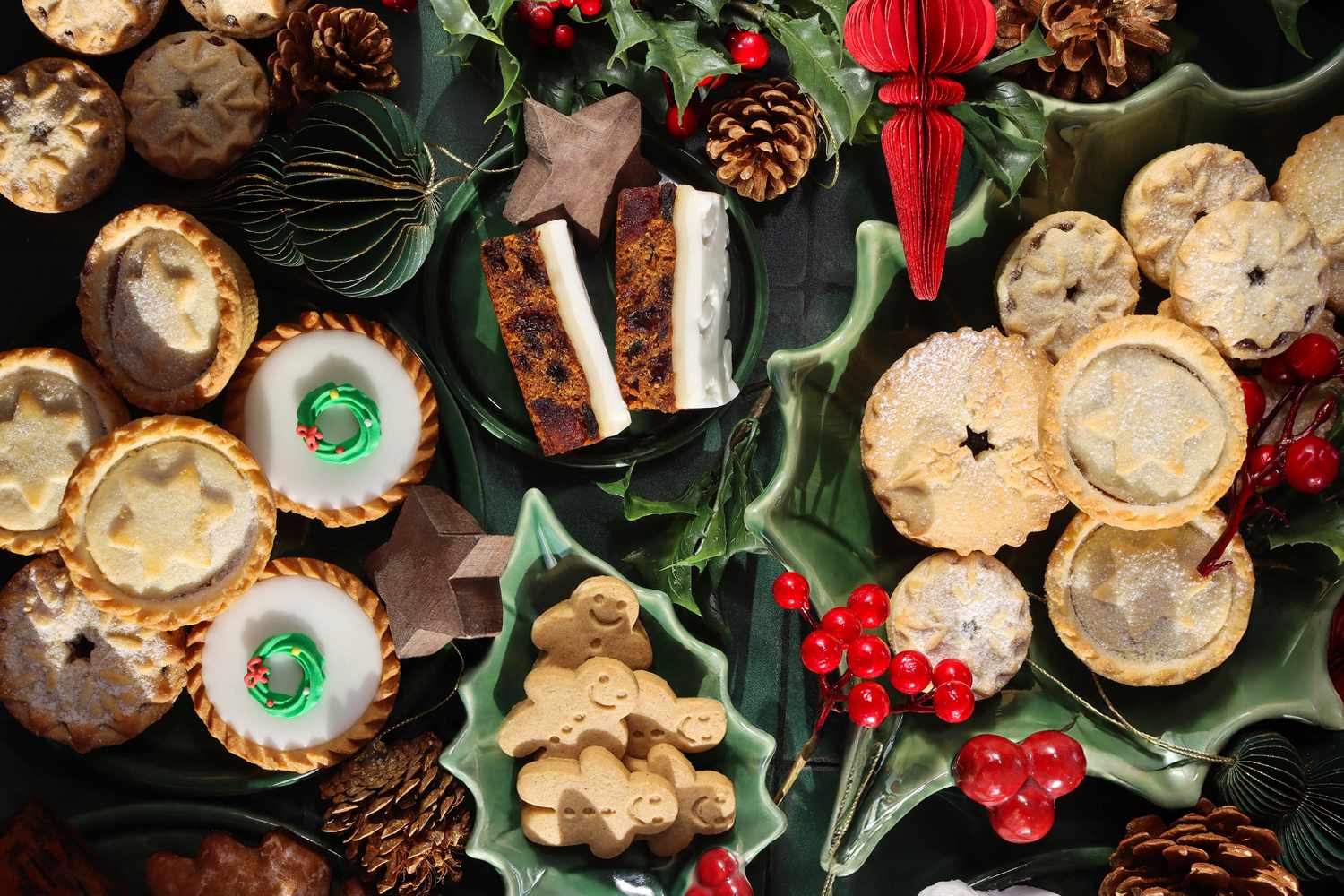

Food is more than just sustenance; it is a language, a storyteller, and a bridge between generations, cultures, and emotions. Around the globe, the role of food in celebrations transcends the mere act of eating. It embodies traditions, social bonds, spiritual beliefs, and cultural identity. From lavish feasts to simple, symbolic bites, food tells the story of who we are, where we come from, and what we value most.
Food as a Cultural Symbol
Every culture has its own unique culinary symbols that carry deep meaning. In many societies, specific ingredients or dishes are inseparable from rituals and festivities. For instance, rice is more than a staple in Asia; it represents fertility, prosperity, and life itself. During Japanese New Year celebrations, families prepare osechi-ryori, a collection of foods, each symbolizing a different blessing, from health to long life. Similarly, in India, sweets like laddoos and barfis are not just desserts—they are offerings to deities and tokens of joy during festivals such as Diwali and Holi.
Food serves as a narrative device, telling stories of history, geography, and social structure. In Mexico, the Day of the Dead features pan de muerto, a sweet bread adorned with symbolic decorations representing bones. Each bite becomes a bridge to the ancestors, a tangible connection between the living and the dead. Through these culinary symbols, food transforms from mere nourishment to a medium of communication and remembrance.
Rituals and Ceremonies: The Sacred Table
In many celebrations, food is sacred, an integral part of rituals and ceremonies. It acts as a vessel for gratitude, offering, and blessings. In Western cultures, Thanksgiving is centered around a shared meal that celebrates abundance, community, and historical memory. The turkey, stuffing, and pumpkin pie are not random choices; they are symbols deeply rooted in tradition. Similarly, in China, the Mid-Autumn Festival revolves around mooncakes, round pastries representing family unity and the fullness of life. The act of sharing food here is more than social; it is ritualistic, reinforcing communal bonds and cultural continuity.
Religious festivals often elevate food to a spiritual plane. During Ramadan, the breaking of the fast with dates and water in Islamic tradition is both practical and symbolic, honoring the Prophet Muhammad’s practices while fostering reflection and gratitude. In Judaism, the Passover Seder involves meticulously prepared dishes, each with its own story, guiding participants through a historical and spiritual journey. Across faiths, food functions as a conduit for values, ethics, and historical memory.
Food and Celebration: A Sensory Extravaganza
Celebrations are multisensory experiences, and food is at the center of this sensory spectacle. The colors, aromas, textures, and flavors of festive foods stimulate not only appetite but emotion. Consider Carnival in Brazil, where street vendors serve feijoada, a hearty black bean and meat stew, rich in flavor and tradition. The complexity of tastes mirrors the complexity of the cultural celebration itself, engaging participants in a full-bodied experience of history, music, and dance.

The aesthetic presentation of food also enhances celebratory experiences. In Thailand, Loi Krathong features intricately designed floating offerings made of flowers, candles, and food. These offerings are both visually captivating and edible, intertwining artistry with sustenance. Across cultures, the visual appeal of celebratory food is deliberate—it evokes wonder, signals abundance, and elevates ordinary meals into extraordinary experiences.
Social Bonds and Collective Identity
Sharing food during celebrations fosters social cohesion. Communal meals are a universal practice, from the Christmas feast in Western societies to the Ethiopian injera-based spreads shared during holidays. The act of eating together strengthens family ties, friendship networks, and community identity. Food becomes a symbol of inclusion and hospitality, reminding participants that celebration is not just personal, but collective.
The preparation of festive meals often involves multiple generations, transmitting culinary knowledge and cultural wisdom. Grandparents teach grandchildren the art of rolling dumplings or making tamales, embedding cultural heritage in everyday practice. The kitchen becomes a classroom, and the meal itself a living archive. In this way, food functions as a social glue, binding communities across time and space.
Innovation and Fusion: The Global Influence of Festive Food
While tradition anchors celebratory foods, innovation and fusion reflect globalization and cultural exchange. Modern celebrations often blend local customs with international influences, creating dynamic culinary experiences. For example, contemporary Christmas markets in Europe offer both traditional roasted chestnuts and Japanese takoyaki, reflecting a merging of tastes and traditions. Similarly, street food festivals in Asia may feature fusion dishes, blending local flavors with Western techniques. These hybrid foods not only delight the palate but also symbolize the evolving nature of cultural identity.
Celebratory food innovation also responds to changing lifestyles and dietary needs. Vegan, gluten-free, and sustainable alternatives are increasingly integrated into traditional festive menus. This evolution reflects the adaptive power of food: it preserves cultural significance while accommodating contemporary values and ethical considerations. Celebration remains vibrant and meaningful, even as its culinary expressions transform.
Emotional and Psychological Dimensions of Festive Food
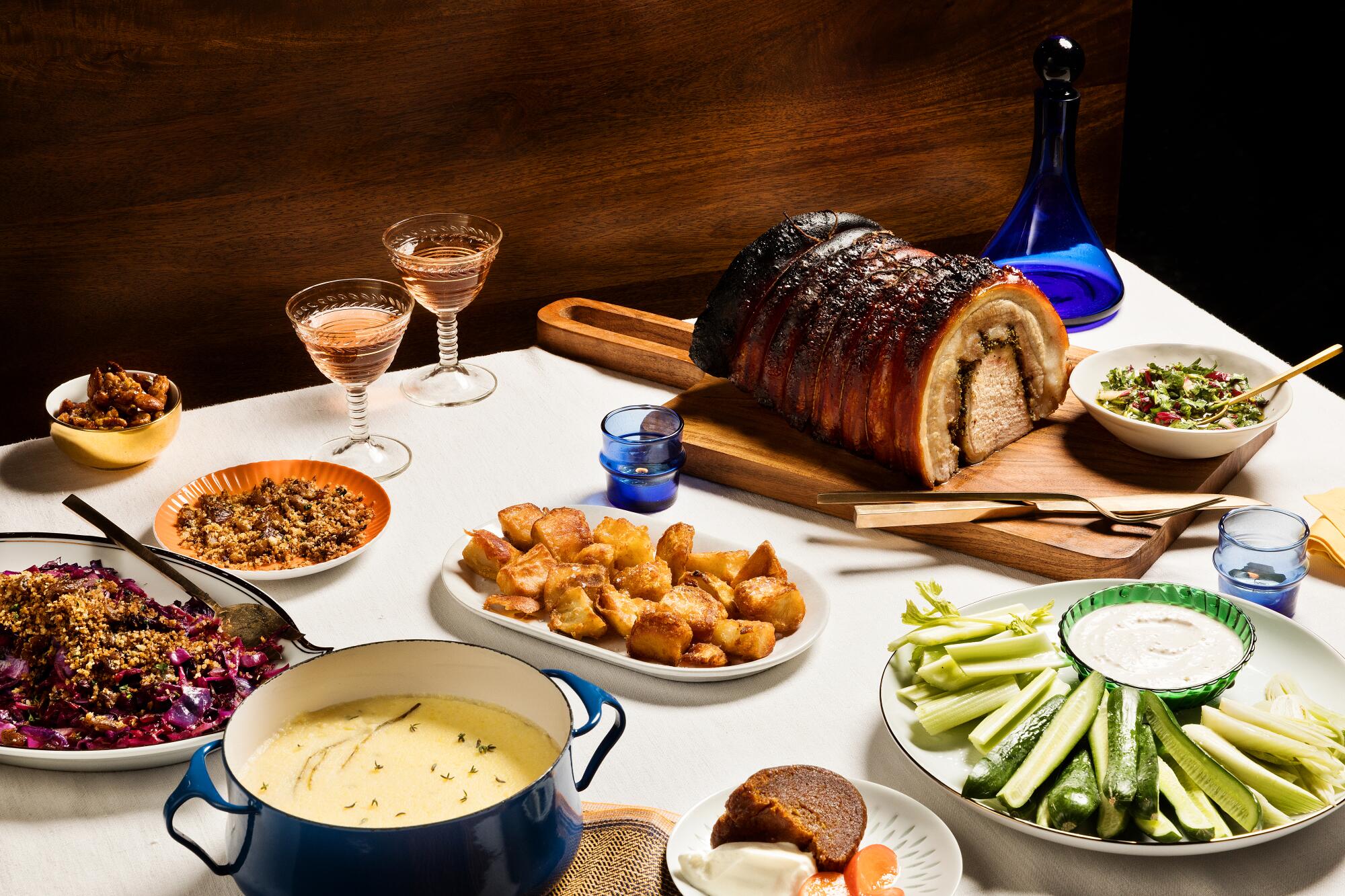
Food in celebrations is intimately tied to emotions. The taste of a childhood dish can evoke nostalgia, comfort, and joy. The scent of freshly baked bread or simmering stew can trigger memories of family gatherings, holidays, and seasonal rituals. These sensory cues are powerful because they link the present celebration to personal and collective history.
Psychologists have noted that festive foods contribute to emotional well-being, promoting feelings of belonging and happiness. Sharing favorite dishes can reduce stress, enhance social bonding, and foster gratitude. In essence, food functions as both a cultural artifact and a psychological anchor, connecting mind, body, and community.
Regional Case Studies: Food in Global Festivities
Asia: Harmony and Symbolism
In East Asia, food often embodies harmony and balance. Lunar New Year celebrations in China, Korea, and Vietnam feature dumplings, rice cakes, and noodles. These foods symbolize prosperity, longevity, and family unity. In Japan, New Year osechi-ryori is presented in layered boxes, each item carefully selected to convey a particular wish for the upcoming year. In India, Diwali celebrations include sweets that represent the triumph of light over darkness, illustrating how food integrates spiritual and moral symbolism into festivities.
Europe: Tradition and Abundance
European celebrations often revolve around seasonal abundance. Christmas markets in Germany showcase stollen, mulled wine, and sausages, emphasizing warmth, generosity, and communal joy. In Italy, Easter traditions include lamb dishes and panettone, connecting culinary practices with religious observances. In Spain, La Tomatina is a playful celebration where tomatoes become the medium of festivity, highlighting a culture that combines tradition with exuberant communal participation.
Africa: Community and Ritual
Across Africa, celebratory meals are deeply communal. In Ethiopia, coffee ceremonies often accompany significant events, reinforcing social bonds. West African festivals feature jollof rice and fufu, dishes that bring communities together in ritual and revelry. The sharing of food symbolizes solidarity, respect for ancestors, and continuity of cultural heritage.
Americas: Heritage and Innovation
In North and South America, food-based celebrations blend indigenous, colonial, and contemporary influences. Thanksgiving in the United States is a ritualized feast that honors historical narratives and family unity. In Mexico, Día de los Muertos combines symbolic foods like sugar skulls and pan de muerto with artistic expression and ancestral remembrance. Latin American carnivals emphasize street foods that are both celebratory and culturally meaningful, highlighting how food embodies regional identity and creativity.
Conclusion: The Universal Language of Food
Across continents and cultures, food in celebrations serves as a bridge between past and present, the sacred and the social, the personal and the collective. It communicates identity, reinforces tradition, fosters social bonds, and evokes emotion. Whether through the intricate symbolism of a Japanese osechi-ryori, the communal warmth of an Ethiopian feast, or the nostalgic flavors of a Thanksgiving turkey, food transforms celebrations into multisensory, culturally resonant experiences.
Food is, at its core, a celebration of life itself. It reminds us that joy is best shared, that heritage is best preserved, and that connection—whether through flavor, aroma, or the simple act of sitting together—is what truly makes a celebration meaningful.