






Food is more than sustenance. It is a reflection of culture, heritage, and values. The dishes we cherish, the meals we share, and the rituals we observe around food play a pivotal role in shaping our identities. Food traditions define who we are, where we come from, and how we connect with the world around us. From the humble family recipe passed down through generations to the grand feasts celebrated during cultural festivals, food traditions have the power to shape not only our physical but also our social and emotional selves.
In this article, we’ll explore how food traditions are intertwined with cultural, social, and personal identities. We will delve into the psychological and social significance of food practices, examine the role of food in constructing group identities, and highlight the impact of globalization on traditional food customs. Along the way, we’ll uncover how our favorite dishes tell the stories of our ancestors, the communities we belong to, and our place in the world today.
Food as a Mirror of Culture
The act of eating is not just a biological necessity but a cultural experience. Food traditions are rich with history and symbolism, often carrying deep meanings that go beyond the ingredients on a plate. For example, in Italy, pasta is more than just a meal; it is a symbol of family, heritage, and community. Every region of Italy has its own distinctive pasta shapes and sauces, each tied to the unique history and geography of that area. Similarly, in Japan, the meticulous preparation of sushi is a reflection of precision, respect, and seasonal awareness—values that are deeply embedded in Japanese culture.
Food customs can reveal much about the values and priorities of a society. For instance, in India, vegetarianism is often intertwined with religious and ethical beliefs, and the food traditions of different regions reflect the diversity of spiritual practices. In contrast, many Western cultures have a strong emphasis on individual choice, leading to diverse food habits, including the rise of vegetarianism, veganism, and the growing interest in food sustainability.
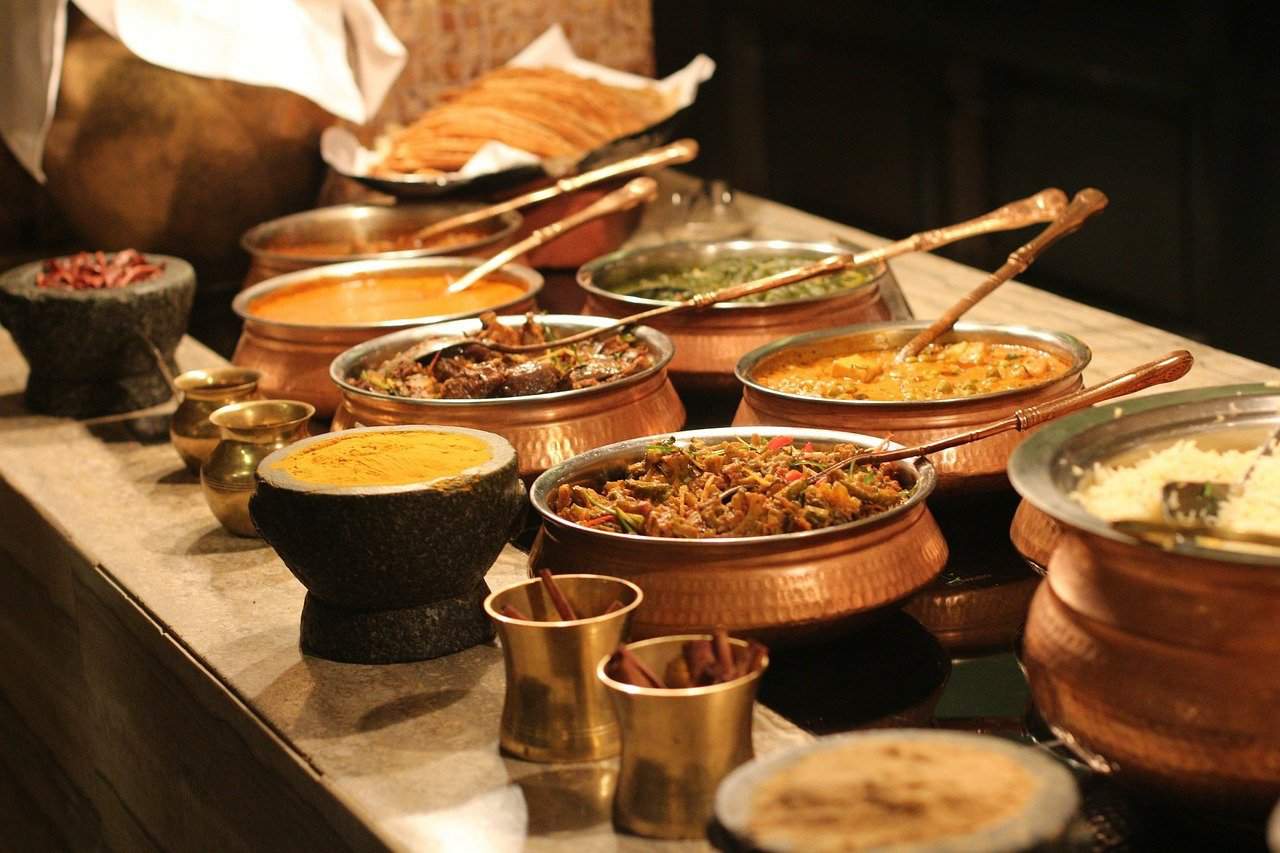
Food also serves as a marker of cultural identity. The foods we eat are linked to our ethnicity and nationality. Whether it’s the spicy curries of India, the savory tacos of Mexico, or the rich pastries of France, food traditions help preserve cultural heritage and communicate a sense of belonging to a specific group. For immigrants and diasporic communities, food becomes a way to maintain connections with their homeland, keeping the memory of their roots alive even when they are far from home.
The Social Role of Food Traditions
Food does not exist in isolation; it is central to the social fabric of our lives. The act of sharing a meal is a fundamental aspect of human connection, symbolizing hospitality, friendship, and solidarity. In many cultures, food plays a key role in marking significant life events such as births, weddings, holidays, and funerals. For example, in Chinese culture, family reunions during the Lunar New Year are often centered around elaborate feasts that bring together multiple generations to celebrate unity and prosperity.
Food traditions also strengthen social bonds within communities. In many cultures, food is shared during religious or seasonal festivals, and these meals are imbued with meaning. In Mexico, Día de los Muertos (Day of the Dead) involves not only honoring deceased loved ones but also preparing special foods like sugar skulls, pan de muerto (bread of the dead), and tamales to celebrate life. These food traditions are a means of maintaining connections with the past while reinforcing the sense of community in the present.
Moreover, the communal aspect of food can be seen in the rituals surrounding it. Consider the Italian tradition of Sunday family dinners, where multiple generations gather around the table to share a hearty meal. These dinners are more than just about food; they are a time for storytelling, bonding, and reinforcing familial ties. Similarly, in many Middle Eastern countries, the practice of eating from the same dish, such as a communal platter of hummus or couscous, signifies solidarity and shared experiences.
Food as a Reflection of Identity and Personal Expression
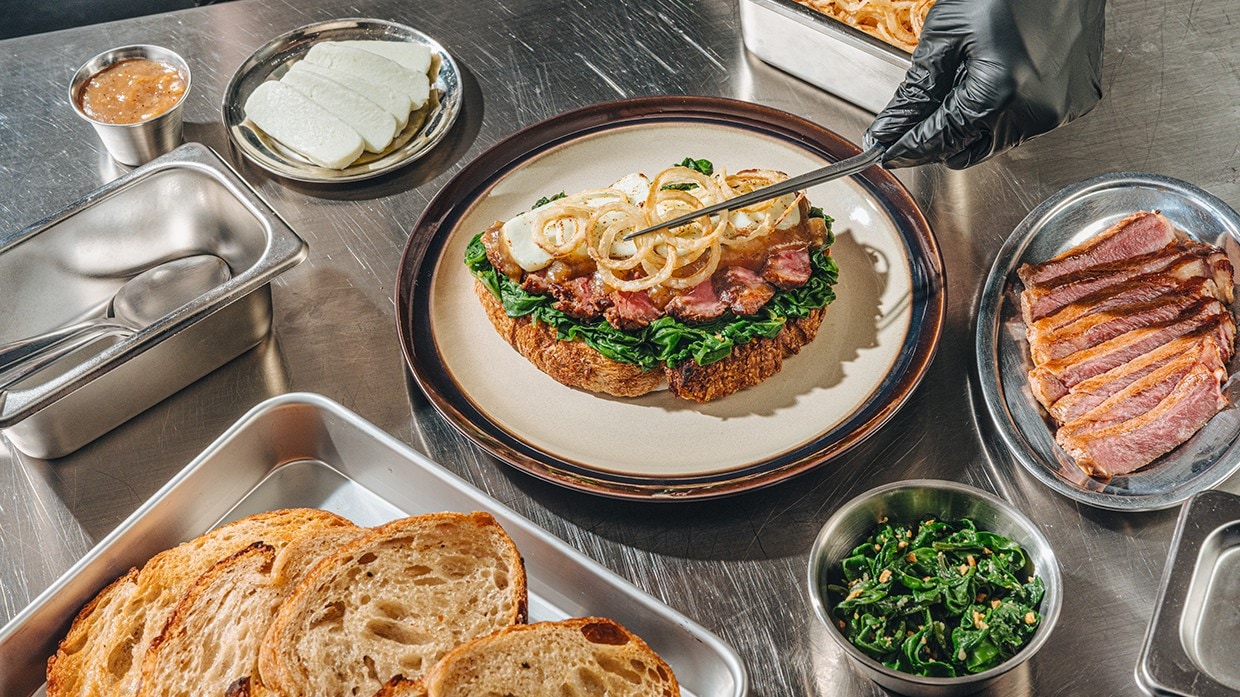
While food traditions are deeply rooted in culture and community, they are also a form of personal expression. The foods we choose to eat, how we prepare them, and the way we interact with food can tell a lot about our individual identities. The rise of food movements such as veganism, locavorism, and the slow food movement reflects how food can be a way for individuals to assert their values and beliefs. For example, choosing to follow a plant-based diet can be a statement of personal ethics regarding animal rights, environmental sustainability, or health.
In recent years, food has also become a means of self-exploration and self-expression, especially in the context of the digital age. Social media platforms like Instagram have turned food into a form of art and status symbol. The rise of food influencers, who showcase their culinary creations and eating habits online, has redefined how we view food and identity. For many young people, food becomes a way to create a personal brand, express their creativity, and connect with others who share similar tastes and lifestyles.
For others, food may be an essential part of healing or self-care. The practice of cooking and enjoying food can be a form of mindfulness, a way to connect with the body and the present moment. For instance, baking may be a way for someone to express creativity and find comfort during stressful times. These personal interactions with food highlight its role in shaping not just our social identities but also our emotional and psychological well-being.
Food and Group Identity
Food is a powerful marker of group identity. From nation-states to smaller cultural subgroups, food traditions help people define themselves in relation to others. The sharing of food among members of a particular group creates a sense of solidarity and belonging. For example, the experience of eating traditional foods during national holidays or religious celebrations reinforces the collective memory and shared experiences of that group.
At the same time, food can also be a way of drawing boundaries between different groups. In many cultures, certain foods are considered “authentic” or “traditional,” while others are seen as foreign or unrecognizable. This can lead to tensions, especially in multicultural societies where different food traditions coexist. Consider the debates around “ethnic” foods in Western countries, where dishes like sushi, curry, or pho are often appropriated or commercialized, sometimes leading to a loss of authenticity or cultural misrepresentation.
The use of food in creating group identities is also seen in political movements. For instance, in the Basque region of Spain, the traditional dish of pintxos (small tapas-like snacks) is often consumed during political protests to assert the region’s independence and cultural uniqueness. Similarly, in some African American communities, soul food has become a symbol of cultural pride and resilience, a reminder of the history of enslavement and the strength of African American heritage.

Globalization and the Transformation of Food Traditions
As the world becomes more interconnected, food traditions are being both preserved and transformed. Globalization has made it easier for people to access foods from different parts of the world, leading to an increased blending of food cultures. Sushi is now enjoyed in cities worldwide, Italian pasta has become a global staple, and Mexican tacos have found a home in almost every corner of the globe. While this cultural exchange has enriched global cuisine, it has also led to the dilution or modification of traditional recipes.
Globalization has brought with it the homogenization of food, as fast food chains and mass-produced products become ubiquitous. The rise of fast food culture, exemplified by chains like McDonald’s and KFC, has led to a decline in the appreciation of traditional, locally sourced meals. In many countries, younger generations may prefer the convenience of fast food over home-cooked meals, leading to a loss of culinary traditions.
However, globalization has also sparked a resurgence of interest in traditional and local foods. As people become more aware of the environmental and health impacts of industrial food systems, there is a growing movement to embrace local, organic, and sustainable food practices. Food bloggers and chefs are bringing attention to the preservation of indigenous food traditions and the importance of knowing where our food comes from.
For example, in the United States, there is a renewed interest in the food traditions of indigenous Native American cultures, with many chefs now focusing on reviving the use of native ingredients like corn, squash, and beans. In Asia, the rise of street food festivals has led to the celebration of traditional dishes that might otherwise have been overshadowed by global food chains.
Food, Memory, and the Passage of Time
Food traditions are also closely tied to memory. The dishes we associate with family gatherings, holidays, and special occasions become markers of time, evoking nostalgia and a sense of continuity. The smells, tastes, and rituals associated with these meals carry emotional weight and help maintain connections with past generations.
For example, the smell of a grandmother’s cooking may evoke memories of childhood, reinforcing a sense of love, comfort, and safety. Similarly, the foods served during national holidays may take on a deeper meaning, representing the resilience and perseverance of a nation’s people. In this way, food serves as a repository of collective memory, preserving the stories of individuals and communities for future generations.
This is why many people are so protective of their family recipes. These recipes are not just for cooking—they are ways of preserving history, culture, and personal identity. The act of passing down a recipe from one generation to the next becomes a way of ensuring that family traditions are carried forward, even as time marches on.
Conclusion
Food traditions shape our identities in profound ways. They are a reflection of our cultural heritage, our social connections, our personal values, and our memories. The meals we prepare and share with others speak volumes about who we are, where we come from, and what we hold dear. In a world that is becoming increasingly globalized and interconnected, it is important to recognize the role that food plays in preserving and promoting cultural diversity while also fostering understanding and empathy between different groups.
Whether it’s through the communal joy of a family dinner, the pride in preparing a traditional dish, or the deep connection to one’s cultural roots, food continues to be a powerful force in shaping both individual and collective identities. As we move forward, let us not only savor the flavors of our food but also reflect on the stories and traditions that come with every bite.