





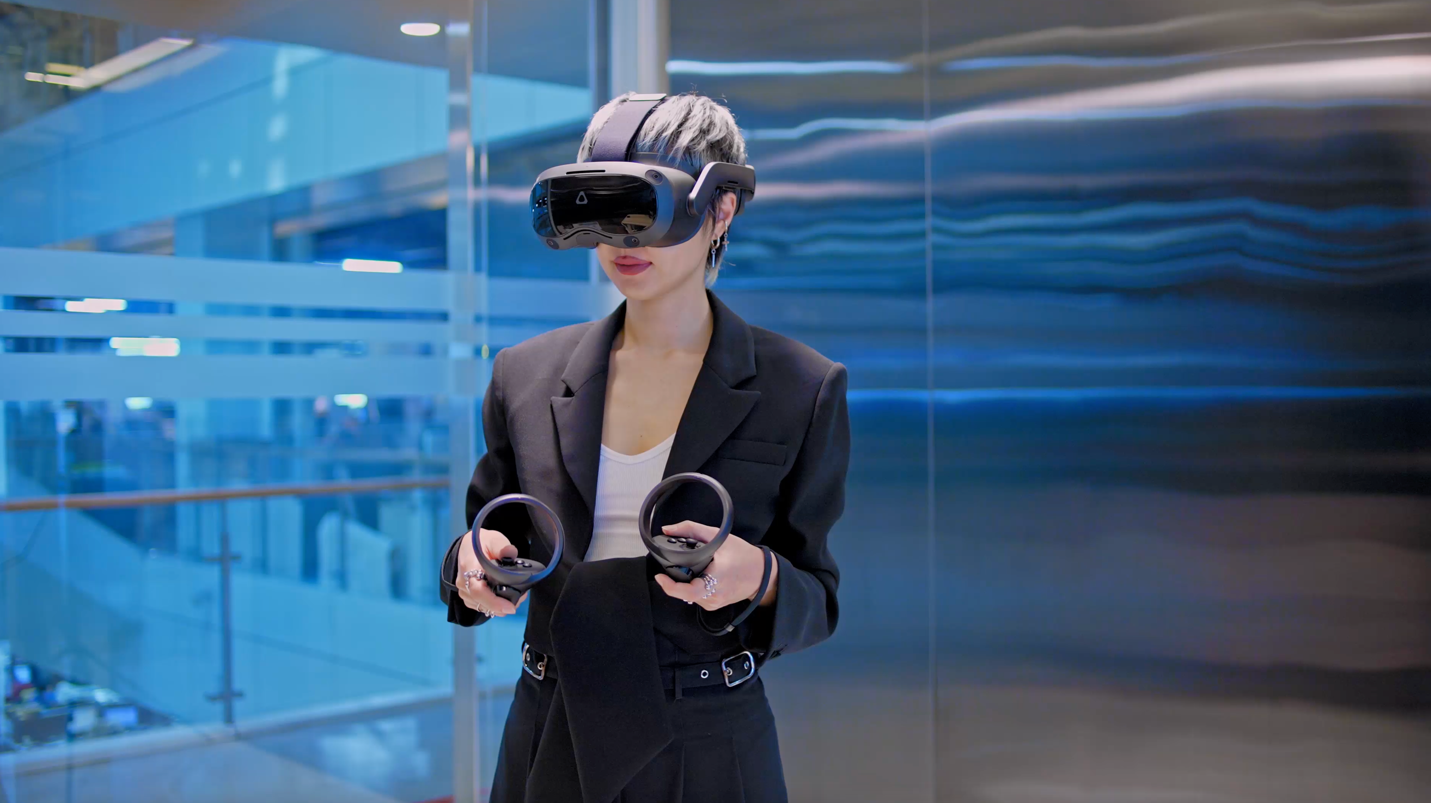

Virtual Reality (VR) has spent decades hovering on the edge of mainstream culture, repeatedly promised as the “next big thing” yet often falling short of mass adoption. From bulky headsets in research labs to sleek consumer devices showcased at tech expos, VR’s journey has been long, fascinating, and occasionally frustrating. Today, as lighter hardware, more capable software, and growing investment converge, the question feels more urgent than ever: Is Virtual Reality finally ready for the mass market?
This article explores that question in depth. We will examine the technological foundations of modern VR, the user experience challenges that still remain, economic and cultural barriers, real-world use cases, and the psychological and social implications of immersive digital worlds. Rather than offering hype or dismissal, the goal is to provide a balanced, professional, and engaging analysis of where VR stands today—and where it is likely heading next.
1. A Brief Context: Why “Mass Market” Matters
Before asking whether VR is ready for the mass market, we need to define what mass market actually means.
A mass-market technology is:
- Affordable for average consumers
- Easy to use without specialized knowledge
- Useful or entertaining on a regular basis
- Socially accepted and culturally normalized
Smartphones reached this status in the late 2000s. Streaming video platforms followed soon after. VR, however, has struggled to cross this threshold.
For years, VR has thrived in niches—gaming enthusiasts, enterprise training, medical simulation, and academic research. These spaces value immersion and are willing to tolerate complexity or cost. The mass market, by contrast, is far less forgiving.
The challenge for VR is not whether it works—it clearly does—but whether it fits smoothly into everyday life.
2. Hardware Evolution: From Heavy Helmets to Wearable Tech
2.1 Early Limitations
Historically, VR hardware suffered from several problems:
- Heavy headsets that caused discomfort
- Low-resolution displays that broke immersion
- High latency leading to motion sickness
- Dependence on powerful external computers
These factors made early VR feel more like an experiment than a product.
2.2 Modern Improvements
Recent generations of VR hardware have made impressive strides:
- Higher resolution displays reduce screen-door effects
- Inside-out tracking removes the need for external sensors
- Wireless operation increases freedom of movement
- Improved ergonomics reduce fatigue
Headsets are now lighter, faster, and more visually convincing than ever before. Setup time has been drastically reduced, and some devices can be used straight out of the box.
2.3 Remaining Hardware Challenges
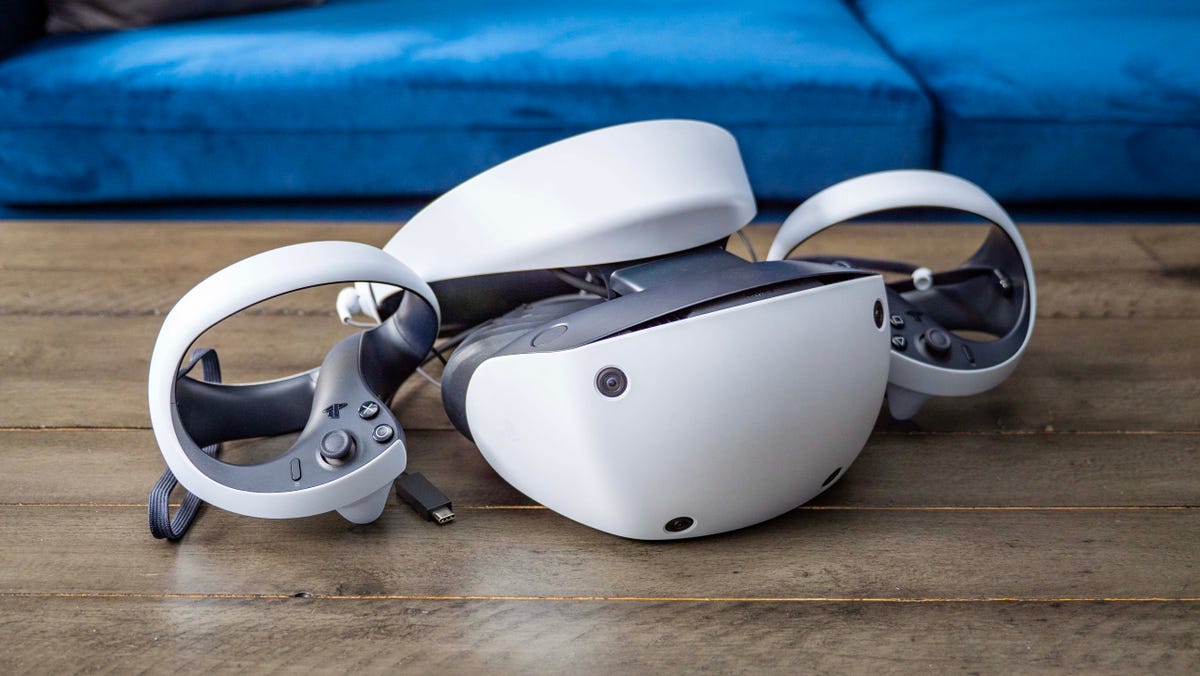
Despite progress, problems remain:
- Headsets are still bulky compared to glasses or phones
- Long sessions can cause eye strain or heat discomfort
- Battery life limits extended use
- Universal fit remains difficult due to differences in face shape, vision, and comfort tolerance
For mass adoption, VR hardware must eventually become as effortless as putting on headphones. That goal has not yet been fully achieved.
3. Software and Content: The Heart of the Experience
3.1 Content Is King
No technology succeeds without compelling content. VR is no exception.
Early VR content often felt like demos rather than full experiences—short, impressive, but shallow. Over time, developers have begun creating richer environments, deeper gameplay mechanics, and more emotionally engaging narratives.
3.2 Gaming Leads the Way
Gaming remains VR’s strongest domain:
- First-person immersion enhances presence
- Motion-based interaction feels natural in many genres
- Competitive and cooperative experiences create social value
However, gaming alone may not be enough to drive mass adoption. Consoles succeeded because they became household entertainment systems, not just enthusiast toys.
3.3 Beyond Games: Expanding Use Cases
Modern VR content now includes:
- Virtual fitness and wellness programs
- Educational simulations
- Social meeting spaces
- Creative tools for art, design, and music
- Virtual travel and exploration
These applications broaden VR’s appeal, but many still lack the polish, consistency, or depth needed to become daily habits.
4. User Experience: Immersion vs. Comfort
4.1 The Promise of Presence
VR’s defining strength is presence—the feeling of “being there.” When done well, VR can trick the brain into accepting a digital environment as real, at least temporarily.
This psychological effect is powerful, but also demanding.
4.2 Motion Sickness and Cognitive Load
A significant barrier to mass adoption remains VR sickness:
- Mismatches between visual motion and physical movement confuse the brain
- Poor frame rates or tracking errors intensify discomfort
- Individual tolerance varies widely
While developers have learned many best practices, motion discomfort has not been fully eliminated.
4.3 Learning Curve and Interaction Design
Using VR is still more complex than tapping a screen:
- Hand tracking and controllers require learning
- Menus can be unintuitive
- Physical movement demands space and attention
For tech-savvy users, this is manageable. For the mass market, friction must be minimized.
5. Economics: Cost, Value, and Perceived Worth
5.1 Hardware Pricing
VR hardware has become more affordable, but it is still a discretionary purchase:
- Headsets cost significantly more than basic entertainment devices
- Accessories add to the total investment
- Replacement cycles are unclear
For families or casual users, the cost-benefit calculation is not always obvious.
5.2 Software Monetization
Content pricing presents another challenge:
- Many experiences are short
- Quality varies widely
- Subscription models are still experimental
Consumers accustomed to streaming libraries may hesitate to buy individual VR titles at premium prices.
5.3 Value Perception
Perhaps most importantly, VR often struggles to answer a simple question:
Why do I need this?
Until VR offers clear, repeatable value beyond novelty, mass-market adoption will remain limited.
6. Social Acceptance and Cultural Readiness
6.1 Isolation vs. Connection
Critics often describe VR as isolating—a user wearing a headset appears disconnected from the physical world. This perception matters.
However, VR also enables:
- Shared virtual spaces
- Remote collaboration
- Social interaction beyond geography
The challenge lies in communicating VR as a social amplifier, not a social replacement.
6.2 Public vs. Private Use
Unlike smartphones, VR is not yet socially comfortable in public spaces. Wearing a headset in a living room is one thing; wearing it on a train is another.
Mass-market technologies often succeed because they blend seamlessly into daily environments. VR still feels situational rather than ubiquitous.
6.3 Generational Differences
Younger users tend to adapt to immersive environments more quickly, treating virtual spaces as extensions of reality rather than escapes from it.
As digital-native generations age, cultural resistance to VR may naturally decline.
7. Psychological and Cognitive Considerations
7.1 Presence and Emotional Impact
VR can evoke strong emotional responses:
- Empathy through perspective-taking
- Fear through immersive horror
- Joy through exploration and play
These effects make VR powerful—but also raise ethical questions about overuse, desensitization, and emotional manipulation.
7.2 Attention and Fatigue
VR demands focus. Unlike passive media, it requires active participation.
While this intensity can be engaging, it also limits session length. Mass-market products often succeed by fitting into short attention windows. VR struggles here.
7.3 Identity and Self-Representation
Avatars allow users to experiment with identity, expression, and presence. This can be empowering, but it also complicates issues of authenticity, trust, and social norms.
8. Enterprise Success vs. Consumer Hesitation
8.1 Where VR Is Already Thriving
Ironically, VR has found strong adoption in professional environments:
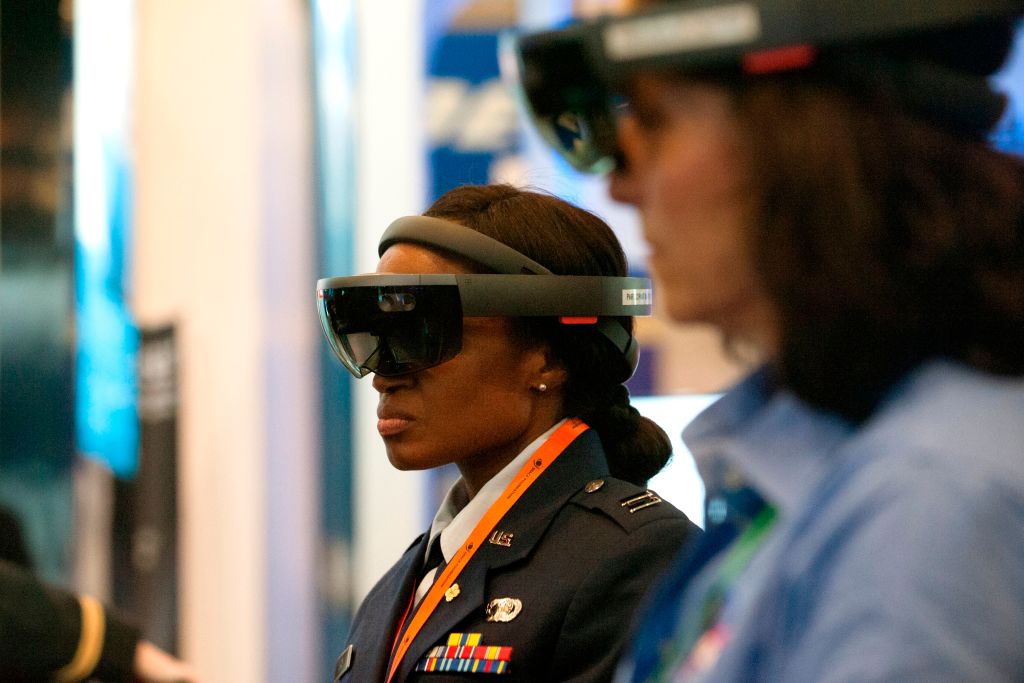
- Corporate training
- Medical simulation
- Architecture and design
- Military and emergency response
In these contexts, VR’s cost is justified by measurable outcomes.
8.2 Lessons for the Mass Market
Enterprise success suggests that VR works best when it solves a clear problem. Consumer VR often struggles because its value proposition is broader and less defined.
The mass market may need “killer applications” as concrete as training simulations are for professionals.
9. The Role of Ecosystems and Platforms
9.1 Fragmentation Issues
Different hardware platforms mean:
- Incompatible software
- Fragmented user bases
- Confusing choices for consumers
Mass-market success usually depends on standardization or at least interoperability.
9.2 Developers and Tools
Developer-friendly tools have improved dramatically, lowering the barrier to entry. However, creating truly great VR experiences still requires specialized knowledge in 3D design, interaction psychology, and performance optimization.
A richer ecosystem takes time.
10. Comparing VR to Past Technological Transitions
10.1 The Smartphone Parallel
Smartphones succeeded because they:
- Combined multiple functions
- Became essential daily tools
- Evolved quickly based on user feedback
VR has not yet reached that level of integration into daily routines.
10.2 The 3D TV Lesson
3D television failed not because it didn’t work, but because it didn’t offer enough value to justify inconvenience.
VR must avoid a similar fate by delivering experiences that cannot be replicated by simpler devices.
11. Is VR “Ready” or Just “Almost Ready”?
The answer depends on perspective.
From a technological standpoint:
VR is more ready than ever. The core systems work, the experiences can be extraordinary, and the pace of innovation remains high.
From a consumer standpoint:
VR is still transitioning. It has not yet achieved the simplicity, affordability, and everyday usefulness required for true mass adoption.
From a cultural standpoint:
VR is inevitable but unfinished. As society becomes more comfortable with digital embodiment, immersive media will feel less strange and more natural.
12. What Needs to Happen Next
For VR to truly reach the mass market, several shifts must occur:
- Hardware must become lighter, more comfortable, and less intrusive
- Content must offer long-term value, not just novelty
- Interfaces must become intuitive enough for first-time users
- Social norms must evolve to accept immersive technology
- Clear use cases must emerge beyond gaming
None of these challenges are insurmountable—but they require patience.
13. Final Thoughts: A Technology Waiting for Its Moment
Virtual Reality is no longer a futuristic fantasy. It is a real, functioning, and increasingly impressive technology. Yet mass-market success is not just about capability—it is about timing, design, culture, and human behavior.
VR today feels like the internet in its early days: powerful, confusing, exciting, and uneven. It may not yet be fully ready for everyone, but it is undeniably preparing the ground.
The more relevant question may not be “Is Virtual Reality ready for the mass market?”
but rather:
Is the mass market ready for Virtual Reality?
That answer is still forming—one headset, one experience, and one generation at a time.