






In the world of mobile technology, 5G has become the buzzword of the moment. For years, discussions surrounding 5G have been gaining momentum, with promises of faster internet speeds, lower latency, and better connectivity. But, the big question remains: do we really need 5G right now? With all the hype and excitement, it’s easy to overlook whether we truly need the next-generation network, or if the current 4G infrastructure is sufficient. This article will explore the importance of 5G, the challenges it presents, and whether it is necessary for our day-to-day lives.
Understanding 5G: What is it, and How Does It Differ from 4G?
Before diving into the debate, let’s first understand what 5G is and how it compares to its predecessor, 4G.
5G is the fifth generation of mobile network technology, designed to succeed 4G LTE (Long-Term Evolution). While 4G revolutionized the way we use mobile internet, offering much faster speeds and the ability to stream HD video without buffering, 5G takes it even further. The primary differences between 5G and 4G lie in speed, latency, and capacity.
- Speed: 5G promises download speeds that can be up to 100 times faster than 4G. This would make activities like streaming ultra-high-definition (UHD) videos, downloading large files, and playing cloud-based games far more seamless.
- Latency: 5G boasts ultra-low latency, potentially as low as 1 millisecond (ms), compared to 4G’s 30-50 ms. This reduction in latency is crucial for real-time applications such as autonomous vehicles, remote surgeries, and virtual reality (VR) gaming.
- Capacity: With 5G, more devices can be connected simultaneously without causing network congestion. This is particularly important as the number of connected devices increases in the age of the Internet of Things (IoT).
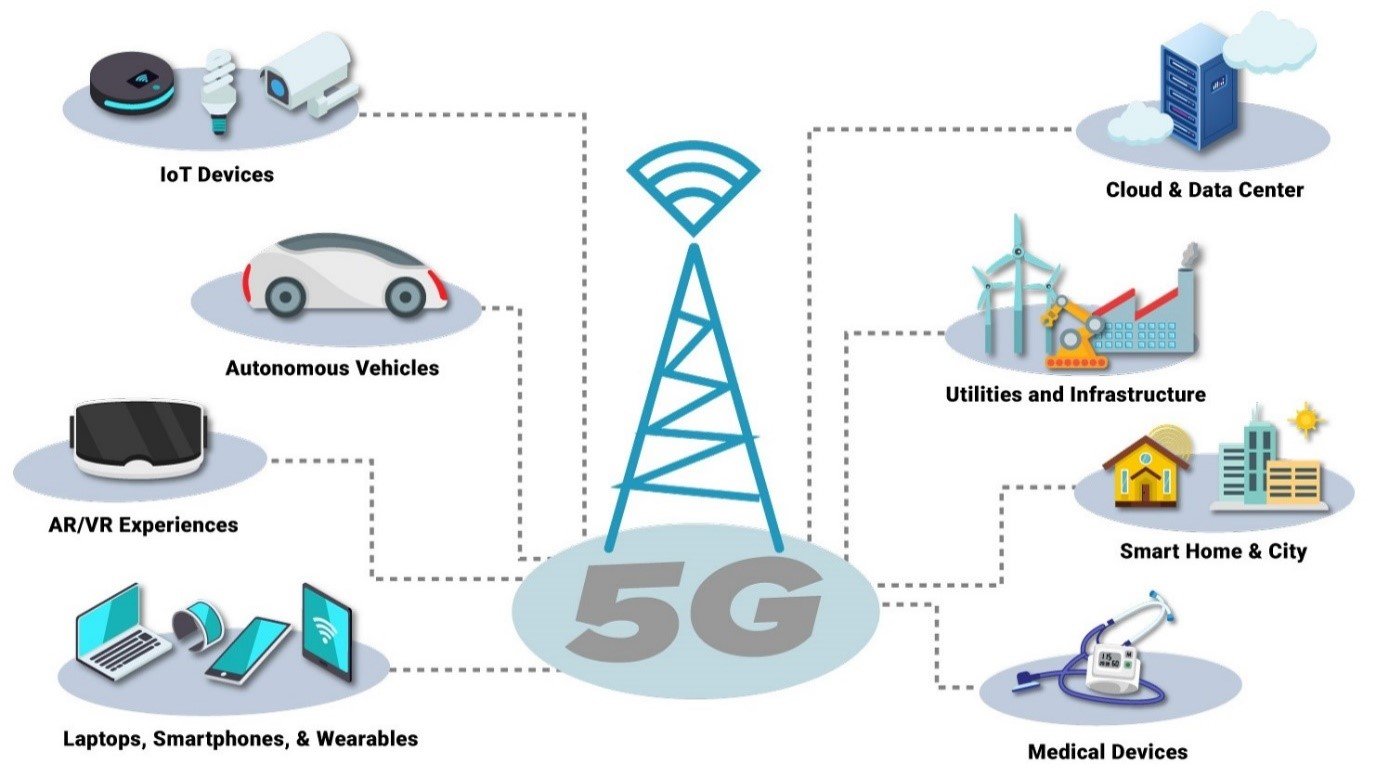
The new network architecture of 5G, which includes small cell towers, high-frequency millimeter waves, and advanced antennas, is designed to support a vast range of devices, from smartphones and smartwatches to cars and smart homes. This shift would allow for faster, more reliable, and higher-capacity networks.
The Case for 5G: Why Do We Need It?
So, why do we need 5G? On the surface, the leap from 4G to 5G may seem unnecessary for the average consumer. After all, 4G already offers impressive speeds and connectivity. However, there are several reasons why 5G is considered essential for the future.
1. The Explosion of Connected Devices
One of the main drivers for 5G is the rapid growth of the Internet of Things (IoT). With everything from refrigerators to cars becoming “smart” and connected, the number of devices on the network is growing exponentially. 5G’s increased capacity and ability to handle millions of connected devices simultaneously make it the ideal solution for managing this influx of devices.
4G networks are already showing signs of strain under the weight of this growing demand, leading to slower speeds and occasional service disruptions. 5G is expected to support up to 1 million devices per square kilometer, ensuring that the IoT ecosystem can continue to expand without compromising the quality of service.
2. Faster Data Transfer Speeds
While 4G is fast, it’s not fast enough for some of the more demanding applications on the horizon. Think about the future of streaming, where we’ll be watching 4K or even 8K videos on mobile devices. High-quality cloud gaming will demand significantly higher speeds, and technologies like augmented reality (AR) and virtual reality (VR) will require ultra-fast, real-time data transfer.
5G’s high-speed capabilities will make these experiences possible, without the lag or interruptions that occur on slower networks. It will enable smooth, ultra-high-definition video streaming, seamless video calls, and lightning-fast downloads.
3. Advancements in Healthcare
5G’s ultra-low latency is a game-changer for healthcare. Imagine a world where surgeons can perform operations remotely, or doctors can consult with patients in real time, even if they are thousands of miles apart. With 5G, technologies like robotic surgery, remote patient monitoring, and telemedicine can be taken to the next level.
For instance, 5G networks will enable real-time monitoring of vital signs, offering doctors the ability to detect issues as they happen. Additionally, the technology will play a crucial role in emergency medical services, where real-time data transmission can be a matter of life and death.
4. Self-Driving Cars and Smart Cities
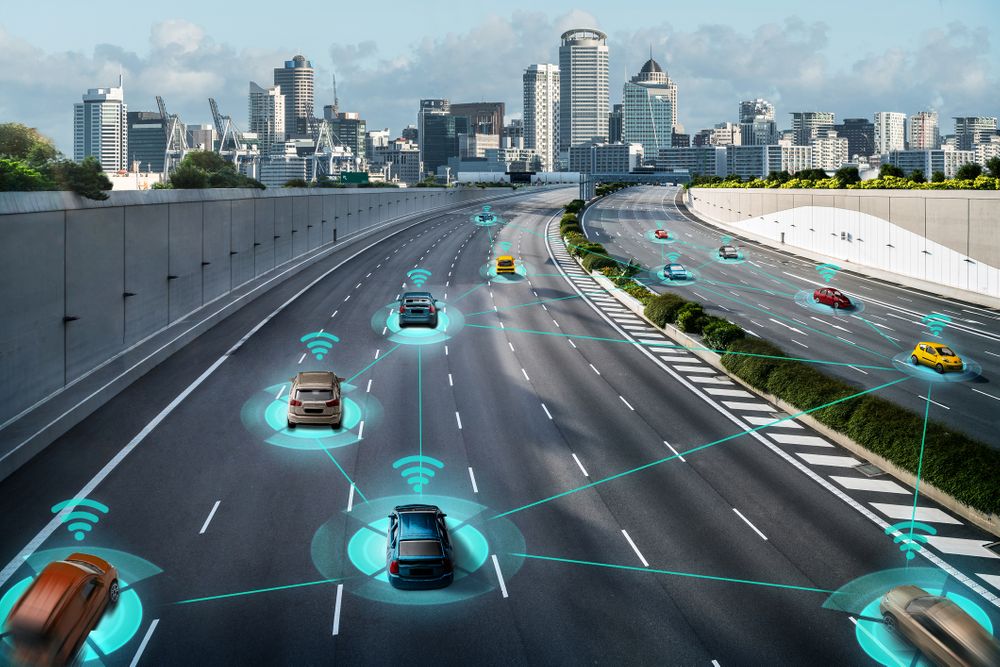
The arrival of autonomous vehicles (AVs) and smart cities hinges on the capabilities of 5G. Self-driving cars will need to communicate with each other, with traffic lights, and with nearby infrastructure in real time to ensure safety and efficiency. 5G’s ultra-low latency is crucial for AVs to react quickly to sudden changes in their environment, such as pedestrians crossing the road or another vehicle making an unexpected move.
Similarly, 5G will power smart cities, where infrastructure such as traffic lights, streetlights, and waste management systems are interconnected. This integration will lead to more efficient, energy-saving cities that can respond dynamically to changing conditions, such as traffic flow or air quality.
The Challenges of 5G: Is It All Sunshine and Rainbows?
While 5G holds great promise, it comes with its own set of challenges and concerns. These need to be addressed before we can fully embrace the new technology.
1. Infrastructure Costs and Deployment
One of the most significant barriers to the widespread adoption of 5G is the cost of infrastructure. To build out 5G networks, telecom companies need to invest in new small cell towers, antennas, and fiber optic cables. This requires massive financial investment and coordination with local governments for zoning approvals.
Additionally, 5G signals operate on higher-frequency millimeter waves, which have a shorter range than the frequencies used by 4G. This means more towers need to be built to ensure complete coverage, particularly in urban areas. The cost and complexity of building this infrastructure could slow down the rollout of 5G in certain regions.

2. Coverage Gaps and Accessibility
Another issue with 5G is that it won’t be universally available at the start. Coverage will be patchy, particularly in rural or less densely populated areas, where the cost of infrastructure might not be justified. This could lead to disparities in access, with some regions enjoying the benefits of 5G while others are left behind.
For rural areas, where 4G may still be the best available option, the need for 5G may not be as urgent. It could take years before 5G networks reach full nationwide coverage, particularly in less economically developed regions.
3. Health Concerns
While there is no conclusive evidence that the radio frequencies used by 5G are harmful, concerns about potential health effects persist. Some groups worry that the higher-frequency millimeter waves used by 5G could have negative health impacts, although scientific studies have not proven any harmful effects.
The debate around 5G and health is likely to continue as the network expands. For now, most experts agree that 5G is safe, but it’s a topic that remains closely monitored.
4. Privacy and Security Risks
With the vast number of connected devices that 5G enables, security becomes an even more critical issue. The more devices that are connected, the greater the potential for cyberattacks and data breaches. The security of IoT devices and networks will need to be strengthened to prevent hackers from exploiting vulnerabilities in the system.
As 5G networks grow, telecom companies and governments will need to implement robust security protocols to safeguard user data and prevent cybercriminals from targeting vulnerable systems.
Do We Really Need 5G Right Now?
Now, let’s address the burning question: Do we really need 5G right now?
The answer is complex. While 5G brings significant improvements over 4G, especially for certain industries like healthcare, autonomous vehicles, and IoT, it’s not something that the average consumer may immediately feel compelled to adopt. For most users, 4G still provides fast internet speeds and reliable connectivity, and the immediate need for 5G may not be essential.
However, as the world becomes increasingly connected and reliant on technology, 5G’s capabilities will become more apparent. It’s the enabler of future technologies that will change the way we work, live, and interact. 5G is not just a faster network; it’s a fundamental shift in how we connect and communicate.
That said, the rollout of 5G will be gradual, with certain regions and sectors benefiting from it more quickly than others. For now, 4G remains more than sufficient for most consumers, but 5G is the key to unlocking the future of technology, and its benefits will become more evident as time goes on.
Conclusion: Ready or Not, 5G Is Coming
The truth is, 5G is not an immediate necessity for everyone. It is, however, an essential technological advancement that will reshape the digital landscape in the years to come. The promise of faster speeds, reduced latency, and a more connected world is exciting, but we must acknowledge the challenges in making this a reality, from the cost of infrastructure to security concerns.
As we look to the future, the question may not be whether we need 5G right now, but whether we are prepared for the future it promises. The need for 5G will become clearer as we integrate more smart devices, explore new applications for AR and VR, and develop autonomous systems. So, while you may not need 5G today, it is certainly something worth preparing for.