





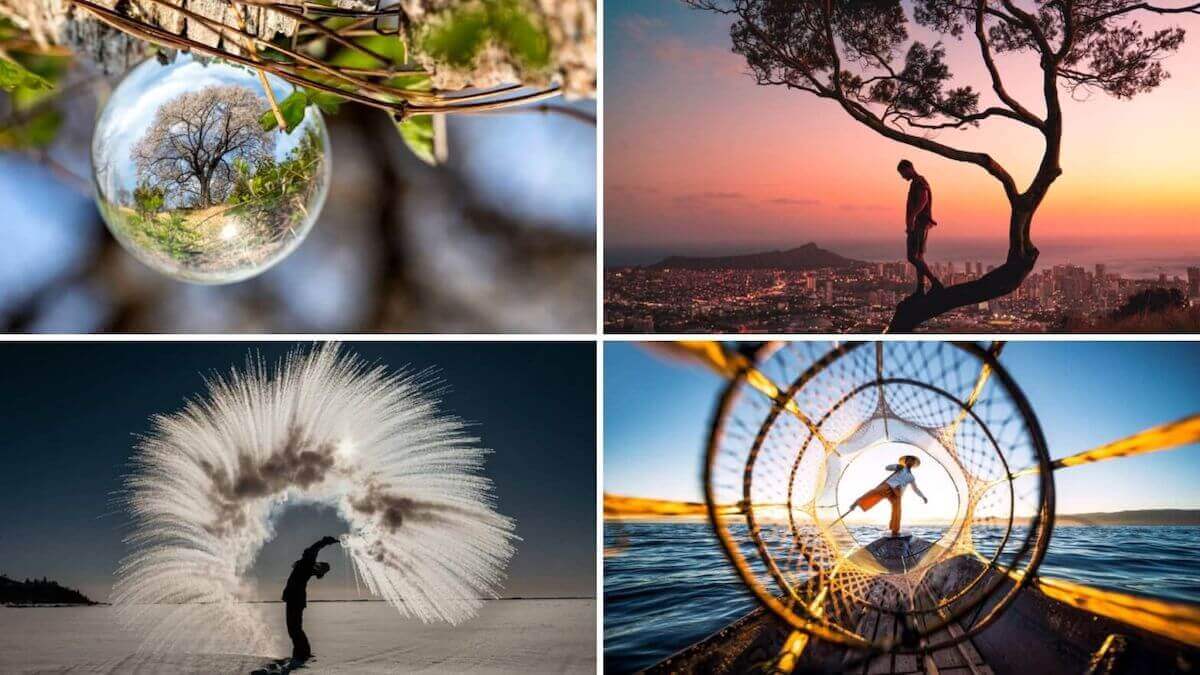

Photography has become one of the most accessible and popular hobbies in the world today. From smartphones to professional-grade DSLRs, nearly everyone has a camera in their pocket, ready to capture the moment. But the question remains: do you really need a high-end camera to take great photos? In an era where technology seems to be advancing faster than we can keep up, it’s easy to assume that the most expensive gear automatically guarantees the best results. However, as you’ll discover in this article, the true magic of photography goes beyond the equipment—it’s about understanding the art, the subject, and your own creative vision.
The Power of a High-End Camera: What Do You Get?
There’s no doubt that high-end cameras, such as full-frame DSLRs or mirrorless systems, offer remarkable capabilities. These cameras often come equipped with larger sensors, better low-light performance, faster autofocus, and professional-grade lenses. They give photographers the freedom to make more technical adjustments, offering unparalleled control over exposure, depth of field, and composition.
With a high-end camera, you can shoot in environments that demand precision—such as wildlife photography, commercial product shots, or sports events. The raw power behind these systems can also help in producing large, high-quality prints that retain sharpness and detail, even when blown up to gigantic sizes.
However, the question is whether this level of technical excellence is really necessary for the everyday photographer. After all, photography isn’t just about the gear—it’s about capturing a moment, telling a story, and expressing creativity.
The Limits of Technology: Why Gear Isn’t Everything
It’s easy to fall into the trap of believing that having the best gear will automatically make you a better photographer. Yet, even the most expensive camera can produce lackluster images if it’s not used well. High-end cameras are merely tools—they are as effective as the person behind them.
Here’s a breakdown of the reasons why gear alone doesn’t make the difference:

- Composition and Framing Matter More Than Resolution
High-end cameras can offer impressive resolution and detail, but no amount of megapixels will save a poorly composed shot. The key to taking stunning photographs is knowing how to frame a subject, play with perspective, and use light effectively. With practice, anyone can create powerful images by understanding the rule of thirds, leading lines, and the way light interacts with the environment. - Lighting is Key
One of the most fundamental aspects of photography is lighting. Whether you’re shooting portraits, landscapes, or street photography, how you use light will make or break your image. High-end cameras may offer better low-light capabilities, but if you don’t know how to work with natural or artificial light, no amount of fancy equipment will make your photos stand out. - Post-Processing is More Important Than Ever
In today’s world, editing software like Adobe Lightroom or Photoshop plays a huge role in the final look of your photos. A simple photo can be transformed into a masterpiece with some thoughtful editing. Color correction, cropping, and exposure adjustments can all be done even on a smartphone photo. High-end cameras may offer RAW files for more editing flexibility, but many of these adjustments can be made on images taken with more modest equipment. - Skill and Vision Are What Matter Most
Ultimately, photography is an art form, and like all art, it relies on skill and vision. The best photographers know how to use the tools at their disposal, but they also know how to see the world differently. A photographer with a strong sense of creativity and technique will always produce compelling images, no matter the camera they use.
Can You Take Great Photos with a Smartphone?
Today’s smartphones are equipped with cameras that can rival some entry-level DSLRs in terms of quality. They often come with features like wide-angle lenses, portrait modes, and high-quality sensors. Apple, Samsung, and Google have all invested heavily in making their phone cameras capable of capturing stunning images. The cameras on modern smartphones are now more sophisticated than ever before, making it possible for even beginners to take excellent photos without expensive gear.
Here are some reasons why you can still take amazing photos with just a smartphone:
- Portability and Convenience
One of the biggest advantages of smartphones is how easy they are to carry around. Most professional photographers would agree that the best camera is the one you have with you. If you have a smartphone, you’re always prepared to capture an impromptu moment, whether it’s a stunning sunset or a candid street shot. - Smartphone Cameras Have Advanced Features
Smartphones now come with features that were once only found in professional cameras, such as:- Portrait mode: For beautiful, blurred backgrounds and sharp focus on the subject.
- Night mode: To capture better photos in low-light conditions.
- AI-enhanced photography: Automatic scene detection and enhancement, making photos look great with minimal effort.
- Wide and Ultra-Wide Lenses: Allowing for a broader field of view, perfect for landscape photography.
- Editability at Your Fingertips
Many smartphones come with built-in editing tools that are both intuitive and powerful. Whether you want to adjust exposure, saturation, or crop your image, most modern phones allow you to make those adjustments in just a few taps. If you want more advanced editing, apps like Lightroom and Snapseed are readily available. - Sharing Is Effortless
Once your photos are taken and edited, sharing them is incredibly easy. You can instantly post them to social media platforms like Instagram or Facebook, or send them to friends and family. High-end cameras may require additional steps like downloading, sorting, and transferring files to a computer before sharing, while smartphones offer instant gratification.
Low-Cost Gear That Can Make a Difference
While smartphones are convenient and capable, they still have limitations when compared to high-end cameras. However, if you want to improve your photography without breaking the bank, there are a few affordable gear options that can take your photos to the next level:
- External Lenses
If you’re using a smartphone and want more creative control over your shots, you can invest in external lenses. There are clip-on lenses that allow you to capture wide-angle, macro, and even fisheye shots. These lenses are compact, affordable, and a great way to diversify your photography without purchasing a new camera. - Tripods
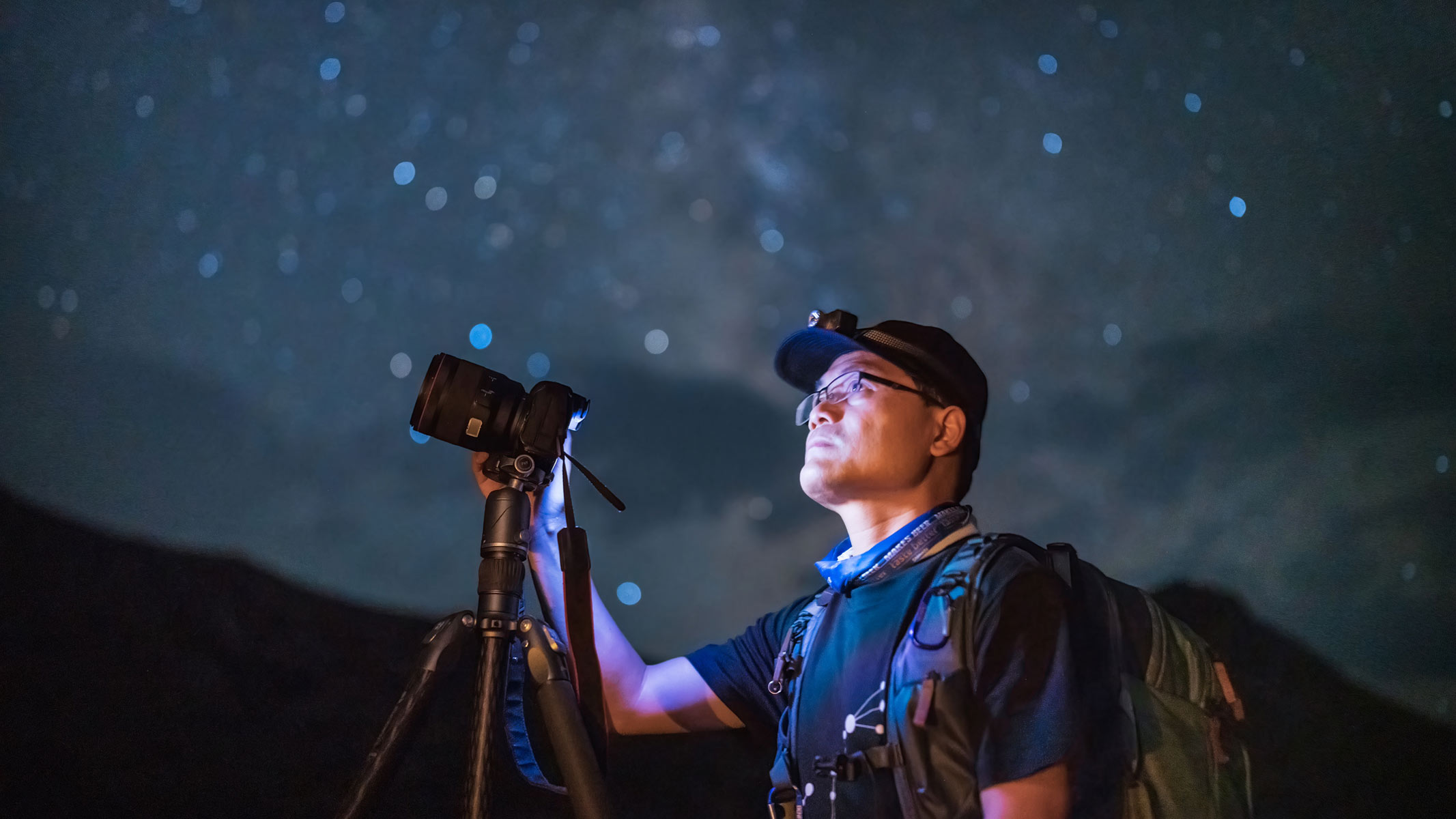
A tripod is a simple and relatively inexpensive tool that can significantly improve your shots. Whether you’re shooting long exposures, landscapes, or group photos, a tripod helps stabilize the camera, preventing blurry images. Some smartphones even come with tripod mounts that can be used to attach your phone. - Portable Lighting
While natural light is the best option in many cases, portable LED lights or ring lights can be a game-changer when shooting indoors or at night. These lights are affordable and give you control over the intensity and direction of light, improving your photos dramatically. - Editing Software
For those who want more control over their photos without investing in high-end gear, learning how to use editing software is key. Programs like Lightroom, Photoshop Express, or even free apps like VSCO can take an average shot and turn it into something special.
Conclusion: The Best Camera is the One You Use
In the end, the best camera is the one you’re most comfortable with. While high-end cameras offer technical advantages, they are not the be-all and end-all of great photography. You don’t need an expensive camera to take stunning photos; what you need is an understanding of light, composition, and creative vision.
In today’s digital age, a smartphone can serve as an excellent tool for creating beautiful images. However, if you’re serious about photography, investing in gear like external lenses, tripods, and editing software can help you push your photos to the next level. Remember, photography is an art—your vision is what matters most, not the price tag on your camera.