





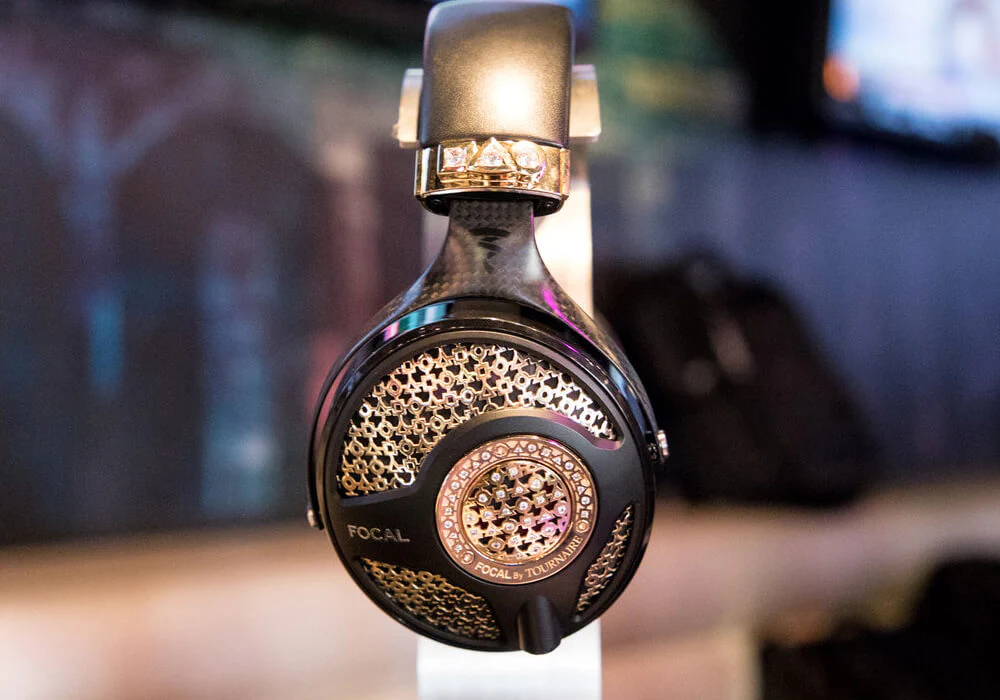

In an era where music is streamed instantly and podcasts dominate commutes, headphones have become more than just audio accessories—they are gateways to immersive sound experiences. Yet, a lingering question haunts both audiophiles and casual listeners alike: do high-end headphones really justify their staggering price tags? With models ranging from a few hundred to several thousand dollars, this topic sparks both curiosity and controversy. Let’s dissect the anatomy of premium headphones, explore the technology behind them, and evaluate whether the investment is worth it.
The Allure of High-End Audio
At first glance, the appeal of high-end headphones seems purely aesthetic. Sleek designs, luxurious materials like genuine leather, and meticulous craftsmanship create a sense of sophistication. But beyond appearances lies the true magnetism: sound quality.
High-end headphones promise clarity, depth, and a precision that budget models often struggle to deliver. The difference isn’t just in volume; it’s in texture. Imagine listening to your favorite symphony and hearing each instrument as if it’s performing in the same room. Vocals seem more alive, bass hits harder yet cleaner, and the midrange carries nuances that budget alternatives often flatten.
This sensory richness taps into a very human desire: experiencing music in its purest form. For audiophiles, this is not luxury—it’s necessity.
Components That Drive Price
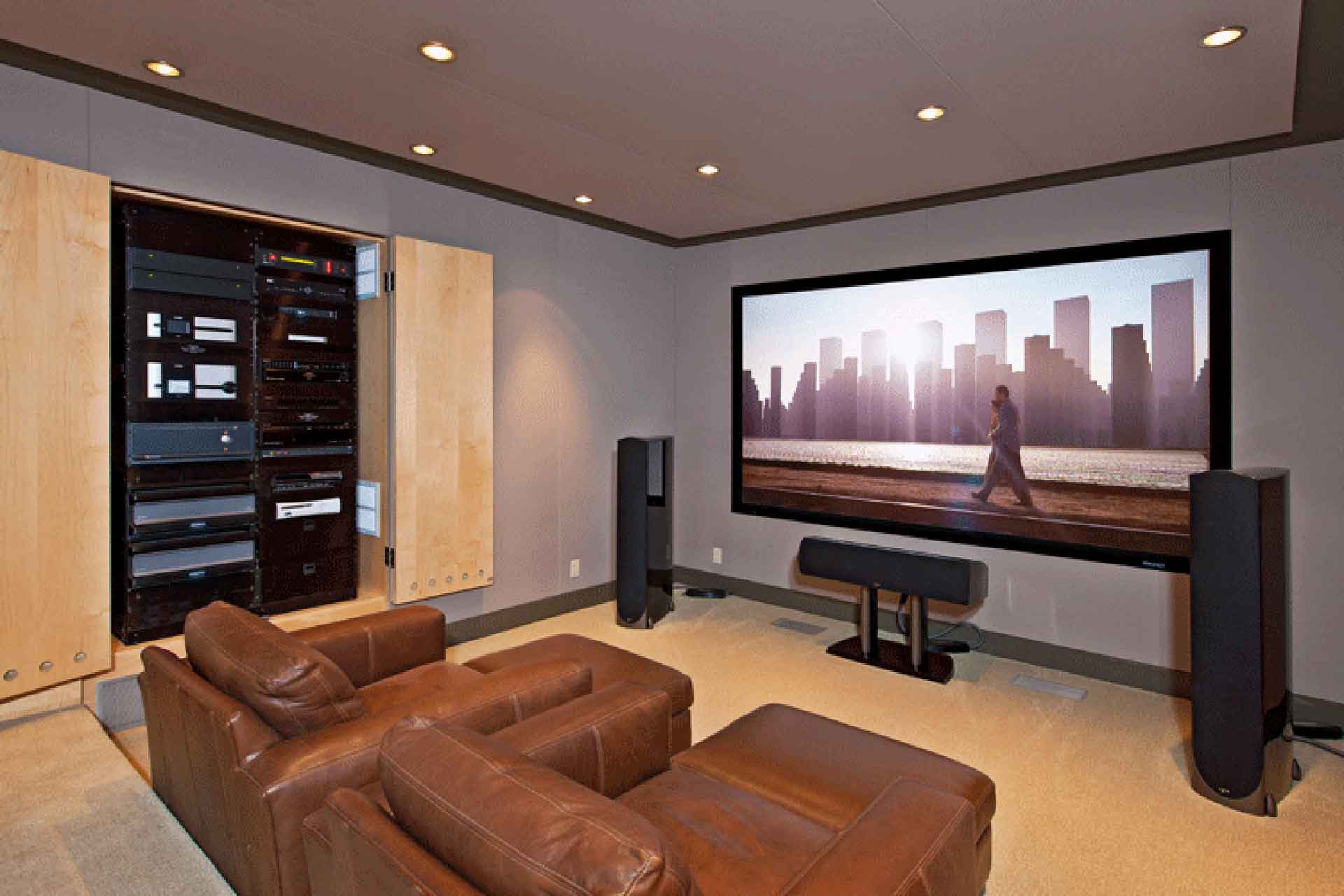
Several key elements contribute to the premium pricing of high-end headphones. Understanding these will illuminate why some headphones can cost more than a small home theater system.
1. Drivers: The Heart of Sound
Drivers are the engines of headphones. They convert electrical signals into sound waves. High-end headphones often use larger, precision-engineered drivers or even multiple drivers for different frequencies.
- Dynamic Drivers: Most common, excellent for bass response. Premium versions use superior materials like beryllium or titanium.
- Planar Magnetic Drivers: Provide detailed, accurate sound with minimal distortion. Their large size and complex design raise costs.
- Electrostatic Drivers: Rare and expensive, these deliver exceptional transparency and detail, often requiring specialized amplifiers.
2. Materials and Build Quality
Luxury headphones employ materials that enhance durability and acoustic performance. Wood, metal alloys, and memory foam ear cushions all contribute to a richer listening experience. Unlike cheap plastic alternatives, premium materials reduce unwanted vibrations and resonance, producing cleaner sound.
3. Tuning and Engineering
Even the most expensive drivers need expert tuning. Audio engineers spend hours refining frequency response, soundstage, and balance. Every element—angle of the driver, earcup shape, pad density—affects the final sound. The meticulous engineering process is labor-intensive, reflected in the price.
4. Noise Cancellation and Electronics
High-end headphones often feature active noise cancellation (ANC), adaptive sound modes, and high-quality Bluetooth codecs. These electronics are costly but enhance the listening experience, particularly in noisy environments. ANC isn’t just louder; it isolates sound while maintaining clarity, a feat that cheap ANC headphones often fail to achieve.
The Psychological Factor
Price perception also influences perceived quality. Studies show that listeners often report better sound from expensive headphones even when audio is identical—a classic placebo effect. The prestige of owning a high-end device adds a psychological satisfaction that cheap models cannot match.
Moreover, high-end headphones create a sense of exclusivity. Limited editions, artisanal finishes, and brand heritage can elevate the ownership experience beyond sound alone. For some, this cultural and social capital is as valuable as the audio quality itself.
Situational Justification
Are high-end headphones worth it for everyone? Not necessarily. Their value depends on use cases and priorities.
Audiophiles and Musicians
For those working professionally with sound or deeply invested in music, premium headphones are an essential tool. Accurate sound reproduction allows producers to mix tracks effectively, while audiophiles enjoy unparalleled listening experiences.
Casual Listeners
If your primary goal is commuting, casual podcast listening, or background music, mid-tier headphones often offer sufficient quality. The difference between a $100 and $1,000 headphone may be subtle for non-critical ears, making the investment harder to justify.
Travel and Noise Environments
High-end noise-canceling headphones excel in flights or crowded areas. The comfort and silence they provide are often unmatched by budget alternatives, which may become an everyday necessity for frequent travelers.
Balancing Cost and Value
The equation isn’t straightforward. While some high-end headphones are undeniably overpriced due to branding, rarity, or design, many justify their cost through tangible improvements in sound, comfort, and durability.
Consider this: a premium headphone may last a decade with proper care, while a cheaper model might degrade in two to three years. When calculated over time, the cost-per-year difference narrows significantly, making the high-end option a more reasonable investment.
The Role of Amplifiers and DACs
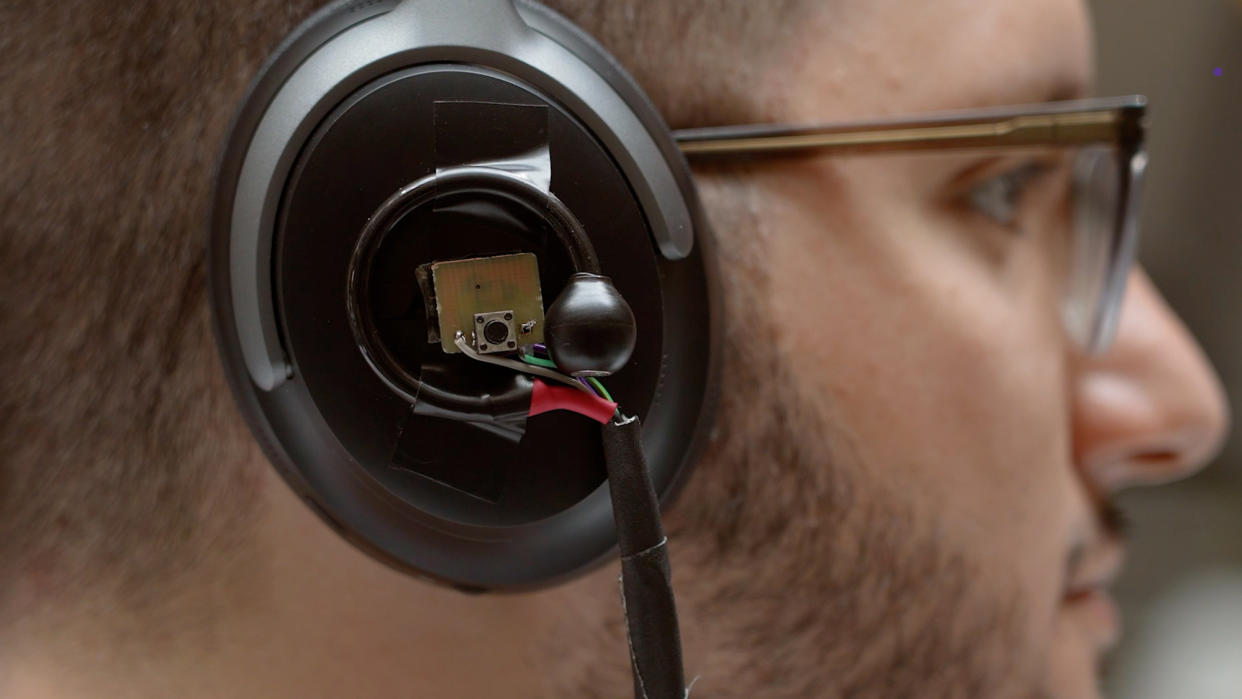
High-end headphones often reveal their full potential only when paired with quality amplifiers and digital-to-analog converters (DACs). A $50 phone jack may bottleneck a $1,500 headphone, masking its capabilities. This means investing in premium audio may involve more than the headphones themselves—a consideration many overlook.
Trends in High-End Audio
Modern technology has blurred the line between expensive and accessible. Wireless high-resolution audio, hybrid ANC, and modular designs offer premium features without exorbitant prices. Yet, the pinnacle of audiophile-grade sound remains analog or electrostatic, with prices reflecting decades of research, development, and meticulous craftsmanship.
Debunking Myths
Myth 1: More Expensive Always Means Better
Price often correlates with quality, but not always. Marketing, brand reputation, and design choices can inflate costs without significantly improving sound. Critical listening and reviews are essential before investing.
Myth 2: Wireless Can’t Be Premium
While early wireless headphones compromised sound for convenience, modern codecs like LDAC and aptX Adaptive provide near-lossless quality, rivaling wired systems.
Myth 3: Only Audiophiles Benefit
Even casual listeners can appreciate high-end headphones if they value comfort, durability, and noise isolation. The premium experience is multidimensional.
The Final Verdict
So, do high-end headphones justify their price tag? The answer is nuanced.
- For dedicated audiophiles, professionals, and frequent travelers, the investment is often justified. They deliver unparalleled sound quality, comfort, and durability.
- For casual listeners, the cost-benefit ratio is less clear. Mid-range options may satisfy most needs without the premium price tag.
- Psychological and social factors also play a role, adding subjective value that transcends measurable sound quality.
Ultimately, the worth of high-end headphones depends on your priorities: if ultimate sound fidelity, comfort, and longevity matter, the price may be worth every penny. If convenience and cost-efficiency are your main drivers, mid-tier alternatives are often sufficient.
High-end headphones are not just tools—they are experiences. They are investments in the way we hear the world, turning ordinary listening into something extraordinary. The price tag, while daunting, reflects not just materials and engineering, but the promise of a richer, more immersive auditory journey.