





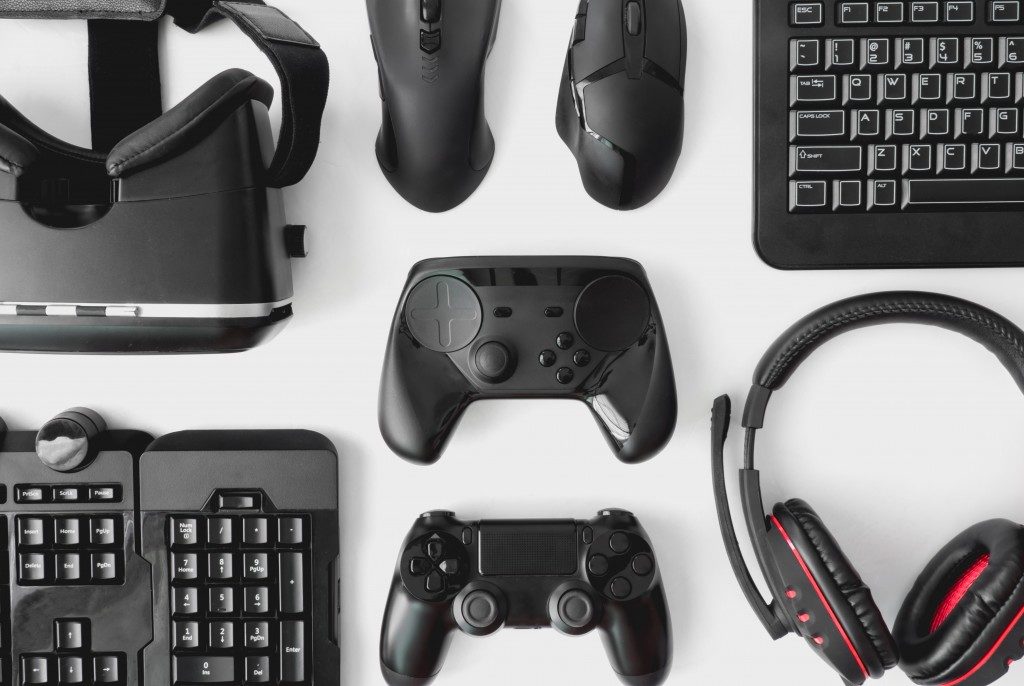

Introduction: The Golden Age of Affordable Tech
Walk into any electronics store—or scroll through an online marketplace—and you’ll notice something remarkable: gadgets have never been so affordable. Wireless earbuds for the price of a pizza. Smartwatches cheaper than a pair of jeans. Tablets that cost less than a weekend trip. What once required a significant investment is now within reach of almost everyone.
This raises a question that consumers, reviewers, and engineers continue to debate: Are budget-friendly gadgets sacrificing quality, or have manufacturers simply become better at delivering value?
The answer is not a simple yes or no. Budget gadgets are not what they used to be. In some areas, quality has improved dramatically. In others, compromises are still very real—just less obvious. This article explores how affordable gadgets are designed, where they cut corners, where they shine, and how consumers can judge quality without relying on price alone.
1. What “Budget-Friendly” Really Means Today
1.1 The Shifting Definition of “Cheap”
A decade ago, a “cheap” gadget often implied:
- Poor build quality
- Short lifespan
- Limited features
- Minimal support
Today, budget-friendly typically means:
- Optimized design choices
- Older but proven components
- Fewer premium materials
- Aggressive cost control in manufacturing and logistics
In other words, cheap no longer automatically means bad. It often means strategically simplified.
1.2 Price Tiers and Expectations
Modern electronics generally fall into three broad categories:
- Budget (Entry-Level): Focused on essential features and affordability
- Mid-Range: Balances performance, design, and durability
- Premium: Emphasizes cutting-edge technology, materials, and brand prestige
Problems arise when consumers expect premium performance from budget pricing. When expectations are realistic, many budget gadgets perform surprisingly well.
2. How Manufacturers Lower Costs Without Destroying Quality
2.1 Economies of Scale
One of the biggest reasons budget gadgets have improved is scale. Manufacturers now produce millions of identical components:
- Screens
- Batteries
- Processors
- Sensors
High-volume production dramatically reduces per-unit costs, allowing companies to sell devices cheaply without compromising baseline functionality.
2.2 Mature Technology Is Cheaper—and Reliable
Budget gadgets often use technology that is:
- One or two generations old
- Well-tested and stable
- Fully optimized by software
An older processor may lack cutting-edge speed, but it is often more power-efficient and reliable. For many everyday tasks, the difference is barely noticeable.
2.3 Software Optimization Over Hardware Power
Instead of brute-force hardware, manufacturers increasingly rely on:
- Efficient operating systems
- Lightweight user interfaces
- Smart background task management
Good software can make modest hardware feel fast and responsive, extending both performance and battery life.
3. Where Budget Gadgets Usually Compromise
Despite major improvements, compromises still exist. The key is knowing where to look.
3.1 Materials and Build Quality
Budget devices often use:
- Plastic instead of metal or glass
- Lower-grade aluminum
- Fewer structural reinforcements
This doesn’t always mean fragile, but it does mean:
- Less premium feel
- Higher risk of cosmetic wear
- Reduced resistance to drops and bending
3.2 Quality Control Consistency
Higher-end products typically undergo:
- More extensive testing
- Tighter manufacturing tolerances
Budget gadgets may show:
- Slight unit-to-unit variation
- Inconsistent button feel
- Minor assembly imperfections
Most users never notice these issues, but they can affect long-term durability.
3.3 Longevity and Update Support
A common trade-off is software support:
- Shorter update cycles
- Fewer security patches
- Limited long-term optimization
The hardware may last years, but outdated software can shorten the usable lifespan.
4. Performance: Faster Than You Think, Slower Than You Hope
4.1 Everyday Tasks vs. Heavy Workloads
For basic activities such as:
- Browsing the web
- Streaming video
- Messaging
- Light gaming
Budget gadgets perform extremely well. Problems appear with:

- Video editing
- Advanced gaming
- Large multitasking loads
- Professional creative software
Budget devices are designed for common use, not extreme workloads.
4.2 Perceived Speed vs. Actual Speed
Human perception of speed depends on:
- Animation smoothness
- App launch times
- Touch responsiveness
A well-optimized budget device can feel fast even if benchmark numbers are modest.
5. Battery Life: A Surprising Strength
5.1 Fewer Features, Less Drain
Budget gadgets often skip:
- High-refresh-rate displays
- Always-on sensors
- Power-hungry background services
This results in:
- Longer battery life
- Less heat generation
- Slower battery degradation
5.2 Conservative Charging Speeds
While premium devices boast ultra-fast charging, budget gadgets typically use:
- Slower, safer charging standards
This reduces:
- Battery stress
- Long-term capacity loss
Ironically, this can make budget devices last longer over time.
6. Cameras: The Most Noticeable Trade-Off
6.1 Hardware vs. Software Photography
Budget cameras often use:
- Smaller sensors
- Simpler lenses
However, modern image processing can compensate:
- AI scene detection
- Software-based stabilization
- HDR optimization
In good lighting, results can be excellent. Low-light performance is where budget cameras struggle most.
6.2 The Myth of Megapixels
Higher megapixel counts do not equal better quality. Budget manufacturers sometimes advertise:
- Large megapixel numbers
- Multiple camera modules
But true quality depends on:
- Sensor size
- Lens quality
- Image processing
This is an area where marketing often outpaces reality.
7. Audio Quality: Adequate, Not Audiophile
7.1 Speakers and Cost Constraints
Budget devices typically use:
- Smaller speaker chambers
- Single-driver setups
This limits:
- Bass depth
- Volume clarity
For casual listening, it’s fine. For immersive audio, external speakers or headphones are necessary.
7.2 Budget Audio Accessories
Interestingly, budget audio accessories—especially wired earphones—often punch above their price:
- Simple designs
- Fewer components
- Lower tuning costs
Sound quality can be surprisingly balanced when expectations are realistic.
8. Smart Features: Practical, Not Fancy
8.1 Smartwatches and Fitness Trackers
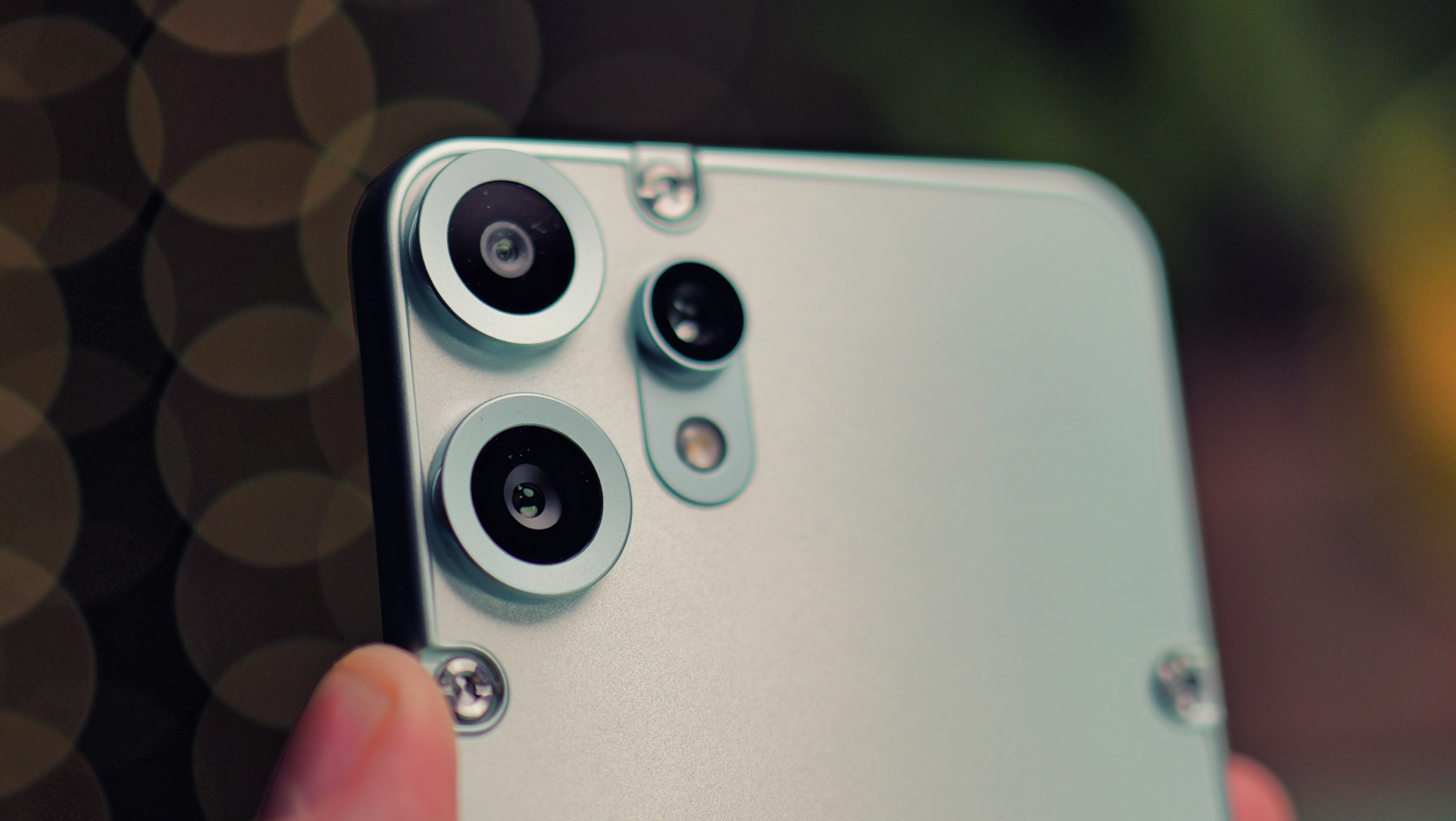
Budget wearables excel at:
- Step counting
- Heart rate monitoring
- Basic sleep tracking
They usually sacrifice:
- Advanced sensors
- High-resolution displays
- Third-party app ecosystems
For general wellness, they are more than sufficient.
8.2 Smart Home Devices
Affordable smart plugs, bulbs, and speakers focus on:
- Core functionality
- Simple setup
- Voice or app control
They may lack:
- Deep automation
- Advanced customization
But reliability has improved significantly in recent years.
9. Durability: Quietly Improving
9.1 Better Engineering, Better Longevity
Modern budget gadgets benefit from:
- Computer-aided design
- Improved stress testing
- Better thermal management
Failures are less common than they once were.
9.2 Repairability and Replacement
Budget gadgets often:
- Are cheaper to replace than repair
- Use standardized components
This raises sustainability concerns, but from a consumer perspective, replacement is less financially painful.
10. The Psychological Side of “Cheap”
10.1 Price Bias and Perceived Quality
Humans associate higher price with:
- Better performance
- Higher status
- Greater reliability
This bias can lead users to judge budget gadgets more harshly, even when performance is adequate.
10.2 The Freedom of Low Risk
Budget gadgets offer:
- Less anxiety about damage
- More willingness to experiment
- Lower regret if needs change
This psychological freedom is often overlooked but highly valuable.
11. Branding vs. Engineering
11.1 What You Pay for in Premium Brands
Premium pricing often includes:
- Marketing
- Industrial design
- Ecosystem integration
- Brand prestige
These elements matter—but they don’t always improve core functionality.
11.2 Engineering-Driven Budget Brands
Many budget-focused manufacturers prioritize:
- Practical design
- Feature efficiency
- Competitive pricing
They compete on value, not image, which benefits cost-conscious consumers.
12. Sustainability and Ethical Considerations
12.1 The Environmental Trade-Off
Lower prices can encourage:
- Faster replacement cycles
- Increased electronic waste
However, improved durability and energy efficiency are helping to offset this impact.
12.2 Ethical Manufacturing
Budget pricing does not automatically imply unethical practices. Large-scale production, automation, and streamlined logistics play a major role in cost reduction.
13. How to Judge a Budget Gadget’s Quality
13.1 Look Beyond the Spec Sheet
Focus on:
- Real-world performance
- User experience
- Reliability over time
Specs alone rarely tell the full story.
13.2 Prioritize Your Use Case
Ask yourself:
- What tasks do I perform daily?
- Which features matter most?
- What can I comfortably compromise on?
A budget gadget that matches your needs is higher quality for you than an expensive device you underuse.
14. The Future of Budget-Friendly Technology
14.1 Narrowing the Gap
As technology matures:
- Differences between budget and premium will shrink
- Software will play an even bigger role
- Modular and repairable designs may return
14.2 Redefining “Good Enough”
Consumers are becoming more aware that:
- “Good enough” is often truly good
- Marginal gains cost disproportionately more
Budget gadgets are not chasing perfection—they are chasing relevance.
Conclusion: Are Budget-Friendly Gadgets Sacrificing Quality?
The short answer is no—not in the way they used to.
Budget-friendly gadgets do make compromises, but those compromises are:
- Strategic rather than careless
- Often invisible in daily use
- Balanced by impressive strengths in efficiency, battery life, and value
Quality is no longer defined solely by price. It is defined by fit. A well-designed budget gadget that meets its user’s needs is not a lesser product—it is a smarter one.
In a world where technology evolves rapidly, the true luxury may no longer be owning the most expensive device, but owning one that delivers exactly what you need, at a price that makes sense.