





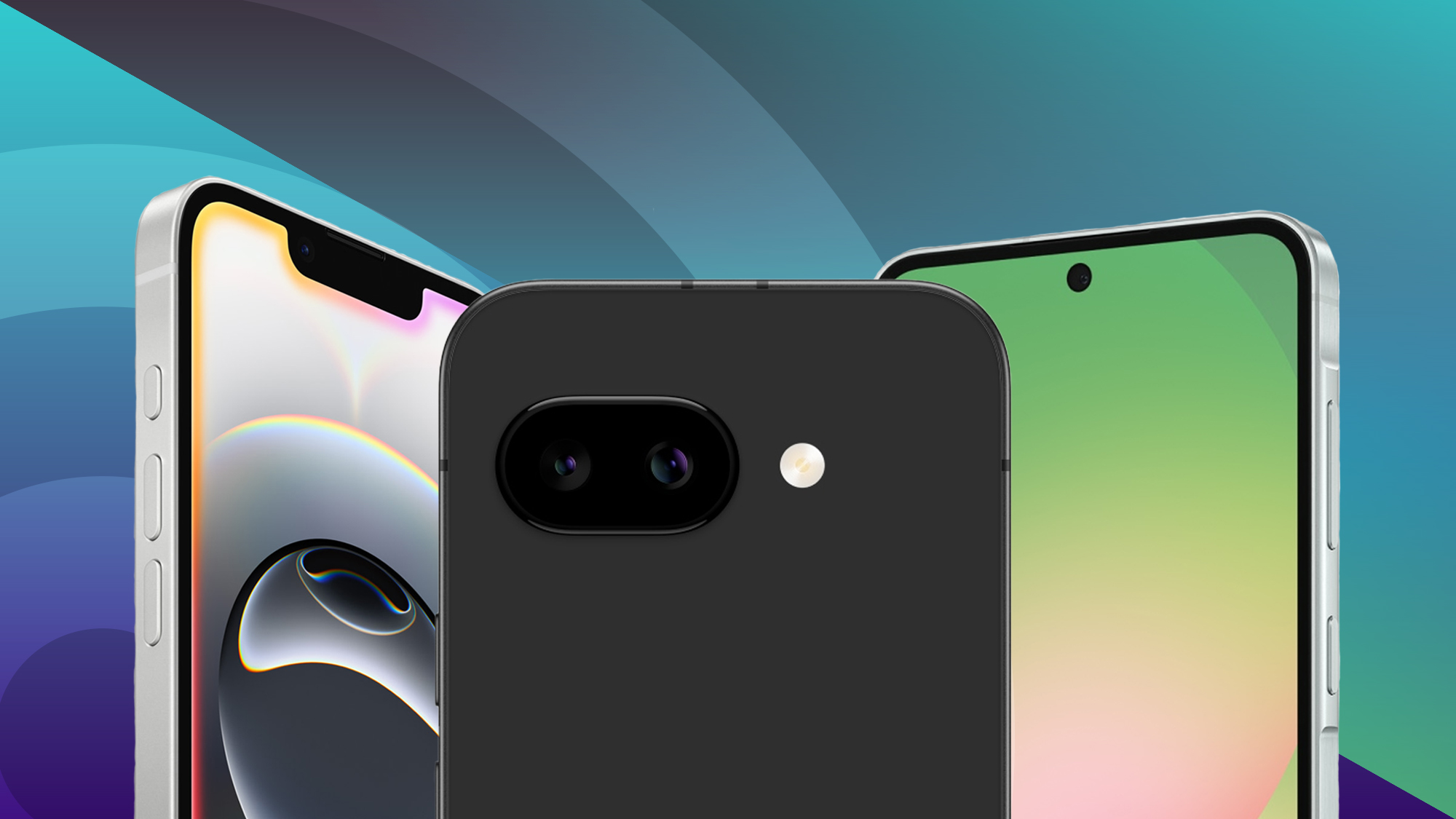

The smartphone market has matured into a fascinating paradox. On one hand, flagship phones grow ever more expensive, polished, and technically extravagant. On the other, budget smartphones—once dismissed as slow, plasticky, and compromised—have quietly evolved into devices that feel shockingly capable. This raises a question that would have sounded absurd a decade ago: can a budget smartphone truly compete with flagships?
The short answer is: sometimes, and in more ways than you might expect.
The long answer is more nuanced, more interesting, and reveals a great deal about how technology, consumer behavior, and design priorities have shifted.
This article explores that long answer in depth—examining performance, design, cameras, displays, software, battery life, longevity, and real-world user experience—to understand where budget smartphones genuinely rival flagships, where they still fall short, and why the gap between them has never felt narrower.
1. Defining “Budget” and “Flagship” in Today’s Market
Before comparisons make sense, we need clear definitions—because the meanings of budget and flagship have changed dramatically.
What Is a Budget Smartphone Today?
A budget smartphone is no longer just “the cheapest phone you can buy.” Modern budget phones usually fall into a broad price range, roughly from entry-level to lower midrange. What unites them is not absolute price, but value orientation:
- Prioritizing essential features over cutting-edge extras
- Using cost-efficient materials and components
- Targeting everyday usability rather than technical extremes
Crucially, many budget phones now inherit technology that was flagship-only just a few years ago: high-refresh-rate displays, multi-camera systems, large batteries, fast charging, and capable processors.
What Defines a Flagship?
A flagship smartphone represents a brand’s technical and design peak. It typically includes:
- The fastest processors available at launch
- Premium materials like glass, aluminum, or titanium
- Advanced camera systems with computational photography
- High-resolution OLED displays with top-tier brightness and color accuracy
- Extended software support and ecosystem integration
Flagships are less about “good enough” and more about pushing boundaries, even when improvements are incremental or expensive.
Understanding this distinction is key: budget phones aim for smart compromises, while flagships aim for maximum refinement.
2. Performance: Speed Where It Actually Matters
Performance is often the first battleground in any smartphone comparison. On paper, flagships dominate: higher benchmark scores, faster CPUs, more powerful GPUs. But real life rarely resembles benchmark charts.
Everyday Performance vs Peak Performance
Most smartphone tasks are lightweight:
- Messaging
- Browsing
- Social media
- Video streaming
- Navigation
- Casual gaming
Modern budget processors handle these tasks with ease. App launches are quick, animations are smooth, and multitasking rarely feels constrained.
Flagships still win in sustained heavy workloads:
- High-end gaming at maximum settings
- Video editing on-device
- Advanced augmented reality
- Long recording sessions in high resolutions
But here’s the uncomfortable truth for flagships: most users rarely push their phones that hard.
Thermal Design and Throttling
Interestingly, flagships sometimes struggle with heat due to their aggressive performance targets. Budget phones, using more conservative chips, often run cooler and more consistently.
The result? In everyday usage, a budget phone may feel just as smooth—or even more stable—than a flagship during prolonged sessions.
Performance Verdict
Budget smartphones no longer feel “slow.” They feel sensible. Flagships still lead in raw power, but for most users, that power remains untapped.
3. Display Quality: The Illusion of Parity
Displays are one of the most noticeable aspects of a phone, and here budget devices have made astonishing progress.
What Budget Phones Do Well
Many budget smartphones now offer:
- Large screens
- High refresh rates
- OLED or AMOLED panels
- Slim bezels and modern aspect ratios
For everyday viewing—scrolling, watching videos, reading—the experience can be delightful and immersive.
Where Flagships Still Dominate
Flagship displays shine in subtler, more technical areas:
- Peak brightness for outdoor readability
- Color accuracy and calibration
- HDR performance
- Adaptive refresh rate technology
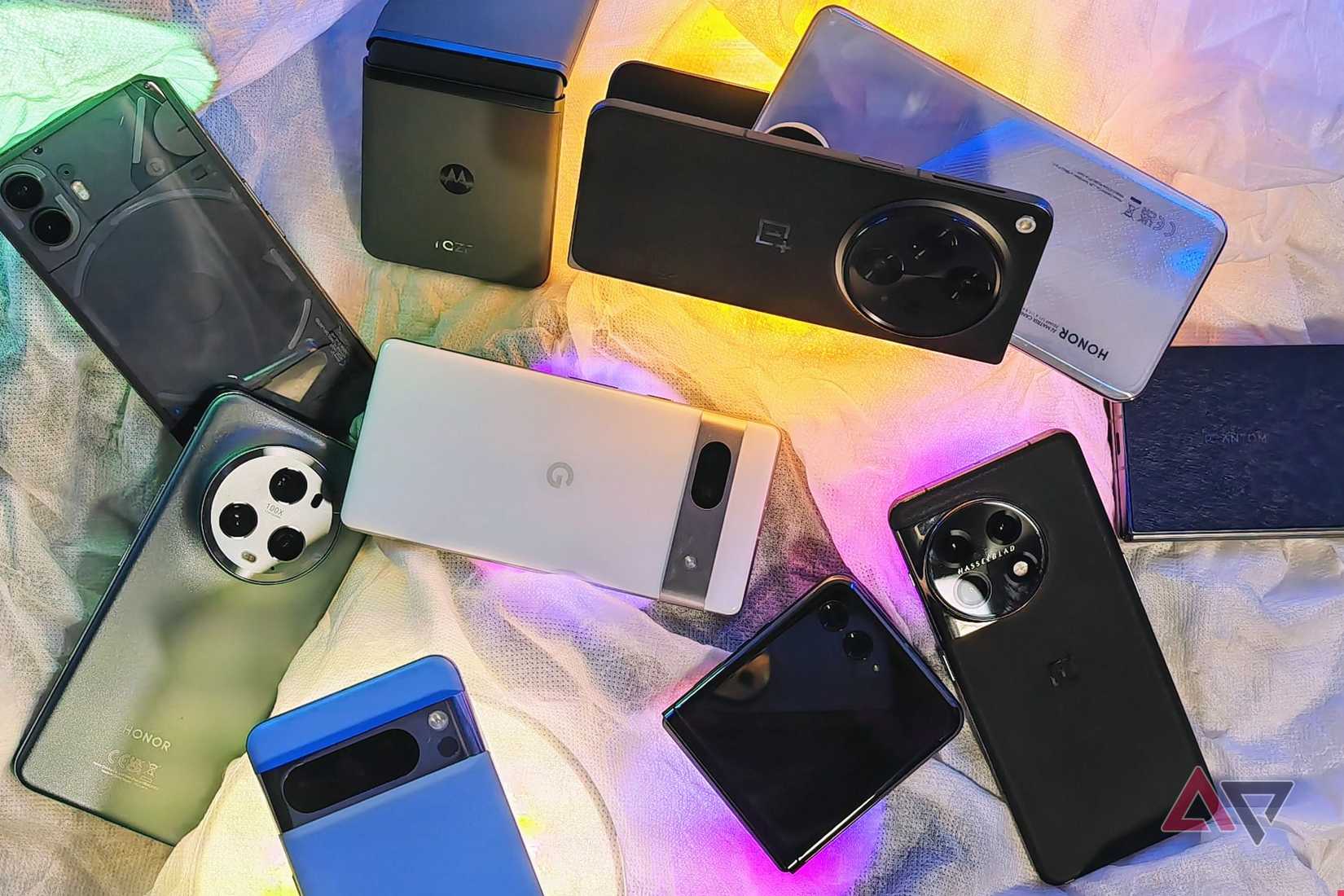
These differences are not always obvious at first glance. They reveal themselves over time, especially when viewing high-quality content or using the phone under challenging lighting conditions.
Display Verdict
Budget phones have closed the gap visually, but flagships still deliver precision and polish. Whether that matters depends on how critical your eyes—and habits—are.
4. Design and Materials: Feel vs Function
Design is where flagships flex their identity. Budget phones, meanwhile, focus on practicality.
Budget Design Has Grown Up
Gone are the days of obviously “cheap-looking” phones. Modern budget smartphones feature:
- Clean, minimal designs
- Thin profiles
- Solid build quality
- Attractive colors and finishes
Plastic backs have improved dramatically, sometimes mimicking glass so well that casual users cannot tell the difference.
The Flagship Touch
Flagships still excel in tactile luxury:
- Cold metal frames
- Precisely machined buttons
- Perfectly balanced weight
- Seamless transitions between materials
These are emotional qualities as much as technical ones. They don’t change how the phone works—but they change how it feels to own.
Durability and Practicality
Ironically, budget phones can sometimes be more practical:
- Plastic backs don’t shatter
- Lighter weight reduces drop damage
- Cases fit better without hiding premium materials
Design Verdict
Flagships feel more luxurious. Budget phones feel more forgiving. One appeals to pride of ownership; the other to everyday resilience.
5. Camera Systems: Hardware vs Intelligence
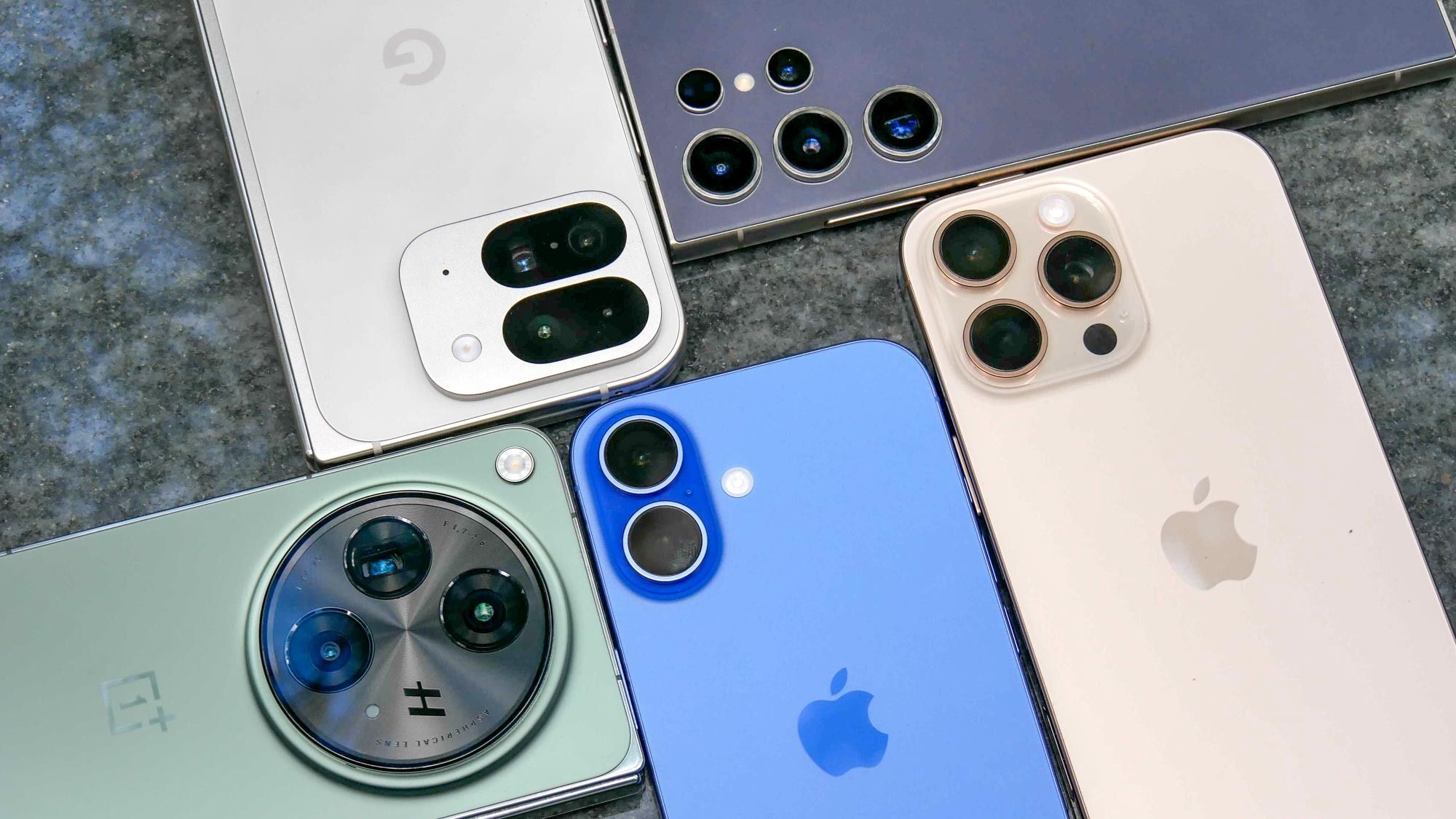
Cameras remain one of the most decisive factors in smartphone choice—and one of the hardest areas for budget phones to truly match flagships.
The Hardware Gap
Flagships typically include:
- Larger camera sensors
- Superior lenses
- Optical image stabilization
- Advanced multi-camera arrays
Budget phones often rely on:
- Smaller sensors
- Fewer truly useful lenses
- Digital stabilization
On paper, this looks like a decisive win for flagships—and in challenging conditions, it is.
The Rise of Computational Photography
However, software has transformed photography. Budget phones increasingly rely on:
- Smart HDR
- AI scene detection
- Night modes
- Post-processing algorithms
In good lighting, budget smartphones can produce photos that are:
- Sharp
- Well-exposed
- Social-media ready
For many users, this is more than sufficient.
Where Flagships Pull Ahead
Flagships still dominate in:
- Low-light photography
- Video stabilization and quality
- Consistent results across all lenses
- Natural color reproduction
They also offer creative flexibility that budget phones cannot match.
Camera Verdict
Budget phones are good photographers. Flagships are reliable artists. The difference becomes obvious when conditions are imperfect.
6. Battery Life and Charging: The Quiet Advantage
Battery life is an area where budget smartphones often surprise—and sometimes outperform.
Bigger Batteries, Lower Power Draw
Budget phones frequently include:
- Larger batteries
- Less power-hungry processors
- Lower-resolution displays
The result is excellent endurance. Many budget phones easily last a full day and then some.
Charging Speeds
Fast charging has trickled down rapidly. Budget devices now support charging speeds that rival or exceed those of flagships.
Wireless charging, however, remains mostly a flagship luxury.
Battery Verdict
For sheer longevity, budget smartphones often win. Flagships trade endurance for thinness, brightness, and power.
7. Software Experience: Simplicity vs Refinement
Software is where a phone’s personality truly lives.
Budget Software Strengths
Budget smartphones often feature:
- Clean interfaces
- Minimal customization layers
- Efficient performance
- Practical features
They aim to be intuitive and functional.
Flagship Software Advantages
Flagships usually offer:
- Longer update support
- Advanced AI features
- Deeper ecosystem integration
- Exclusive software enhancements
Over time, this matters—especially for security and longevity.
Software Verdict
Budget phones deliver what you need today. Flagships invest in what you’ll want tomorrow.
8. Longevity and Value Over Time
A phone is not just a purchase—it’s a relationship.
Budget Longevity
Budget phones offer strong value initially but may:
- Receive fewer software updates
- Lose performance relevance faster
- Lack long-term support
However, their lower price means replacement feels less painful.
Flagship Longevity
Flagships:
- Stay relevant longer
- Retain resale value
- Receive extended updates
They are designed to last—not just physically, but functionally.
Value Verdict
Budget phones win short-term value. Flagships win long-term stability.
9. The Psychology of Choice
Beyond specifications lies psychology.
Why Flagships Still Matter
Flagships symbolize:
- Status
- Cutting-edge technology
- Brand loyalty
- Confidence in “the best”
For some users, this matters deeply.
Why Budget Phones Are Rising
Budget phones represent:
- Rational decision-making
- Freedom from overpaying
- Focus on essentials
- Quiet confidence
As consumers become more informed, the emotional appeal of flagships faces stronger scrutiny.
10. So, Can a Budget Smartphone Compete with Flagships?
The answer depends on how you define competition.
- In raw power? Not entirely.
- In camera consistency? Not yet.
- In luxury and prestige? No.
But in daily usability, value, and satisfaction, budget smartphones compete far more fiercely than ever before.
They don’t replace flagships.
They challenge the necessity of them.
And that may be the most disruptive competition of all.
Final Thoughts: A Shift in What “Enough” Means
Technology has reached a point where “good enough” is no longer a compromise—it’s a revelation.
Budget smartphones prove that innovation does not always mean excess. Sometimes, it means restraint, balance, and knowing what truly matters.
Flagships will continue to exist, evolve, and inspire. But budget smartphones have earned their place—not as lesser alternatives, but as intelligent choices.
The real competition is no longer between devices.
It’s between expectations and reality.